Summary
From 11 to 14 October 2026, the Ministry of Foreign Affairs organised a visit by foreign envoys to the Ningxia Hui Autonomous Region. Ambassadors and senior diplomats from 32 countries, including Croatia, New Zealand, Austria, Tunisia, Uruguay, South Korea and the United Kingdom, took part. The envoys visited the Minning Practice Exhibition Hall on East-West cooperation in Minning town, Yongning county, Yinchuan city, to learn how migrants, with Fujian's paired assistance, built new homes from the Gobi desert.
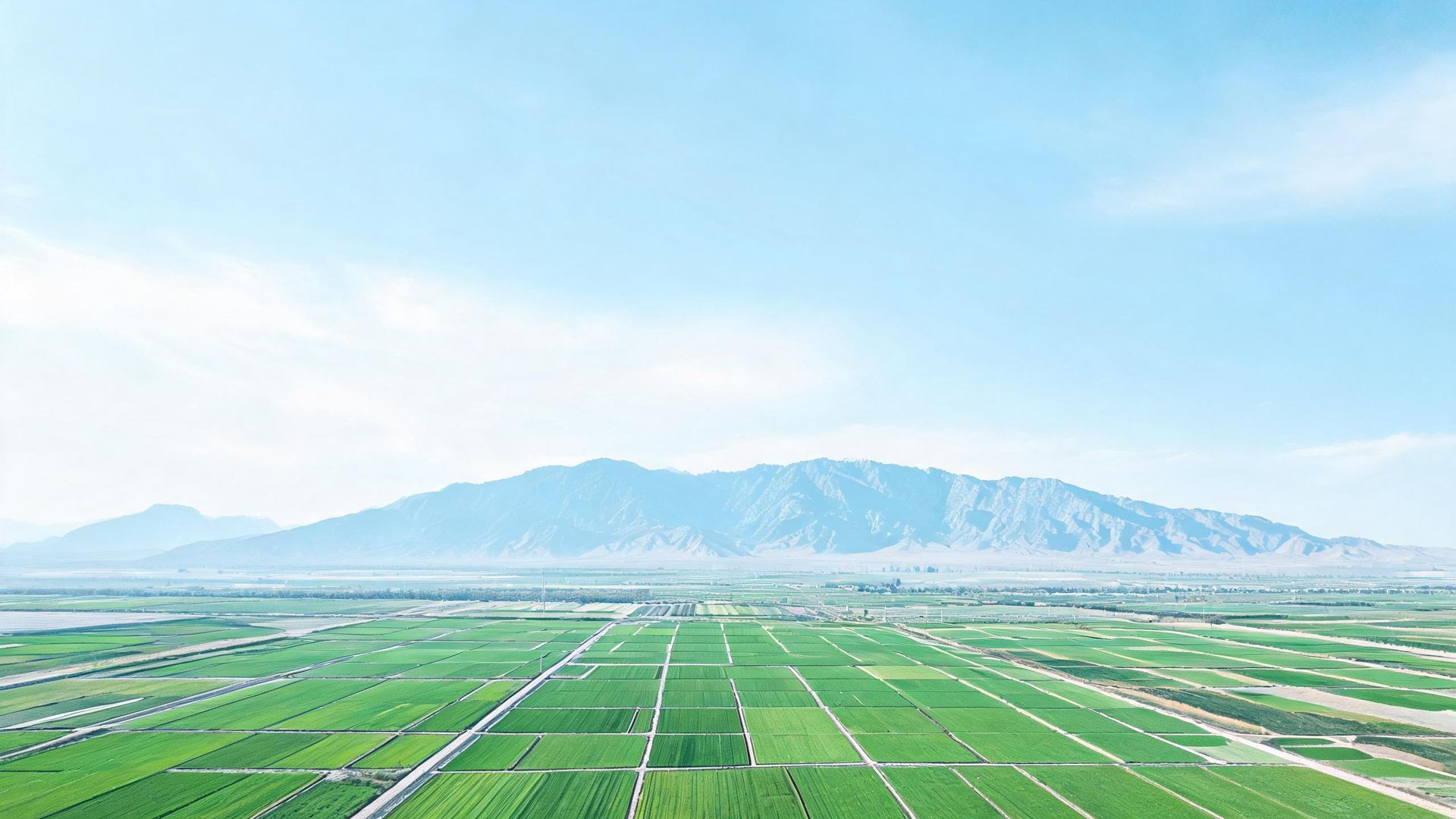
At the Shapotou National Nature Reserve in Zhongwei city, they saw the straw checkerboard technique for sand control. At the Hemei e-commerce assistance workshop, they entered livestreaming rooms to promote specialties such as goji berries. They also visited a goji berry estate, the Western Xia tombs and the Tengger Desert photovoltaic base.
Vanke, minister-counsellor at the Nigerian embassy in China, said he wanted to take what he had seen back to his country. Salato, Solomon Islands ambassador to China, said Minning cooperation had allowed development capacity to truly take root. New Zealand ambassador to China Jonathan Austin said he looked forward to expanding cooperation with China in more agricultural and pastoral industries.
Muni Dasa, charge d'affaires at the Sri Lankan embassy in China, expressed hope of promoting cooperation between Ceylon black tea and Ningxia wine. Mihael, Croatian ambassador to China and head of the delegation, said that shaking off poverty in line with local conditions, developing distinctive industries and continuing to innovate are a key to understanding China's development.
Commentary
Ningxia's sand control and distinctive industry practices offer New Zealand small and medium-sized enterprises a window into China's regional development strategies. New Zealand ambassador to China Jonathan Austin said during the visit that he looked forward to expanding agricultural and pastoral cooperation. That is not mere courtesy: although Ningxia is not a traditional trading partner for New Zealand, its accumulated expertise in dryland farming, water-saving irrigation and desertification control is complementary to New Zealand's experience in sustainable agriculture and pasture management.
The Ningxia goji berry industry, for example, has formed a complete chain from cultivation to deep processing, while New Zealand has mature research and development and branding capabilities in functional foods and natural health products. The two sides could explore cooperation in developing high-value-added products. At the same time, the 'power generation above the panels, planting below' model at Ningxia's photovoltaic bases offers lessons for New Zealand's North Island, where land resources are tight.
However, New Zealand companies need to note the channel characteristics of China's western market: e-commerce assistance workshops and livestream selling have become important routes for local agricultural products, a marked difference from New Zealand's reliance on traditional supermarkets and exporters. To enter the region, partnering with local e-commerce service providers or cooperatives may be more efficient than directly setting up a sales team. In addition, Ningxia's wine industry has risen rapidly in recent years, winning gold medals repeatedly in international competitions.
This poses potential competition for New Zealand wineries, which are also known for varieties such as Sauvignon Blanc, but may also create opportunities for technical exchange or joint branding. From a broader perspective, China's promotion of balanced regional development through 'tailoring measures to local conditions' means the consumer market in central and western China will continue to expand. New Zealand SMEs should not focus only on first-tier coastal cities.
Keywords: foreign envoys' Ningxia tour, Minning cooperation, East-West cooperation, straw checkerboard sand control, tailoring measures to local conditions, distinctive industries, New Zealand ambassador to China Jonathan Austin, agricultural and pastoral cooperation, Tengger Desert photovoltaic
Source: Xinhua Net
Disclaimer: This article is compiled from publicly available sources for general information only. The analysis and commentary are editorial opinions. MiDeer Observer does not guarantee the accuracy or completeness of the information provided. Readers should seek independent professional advice before relying on this content, or contact us for more information.