Summary
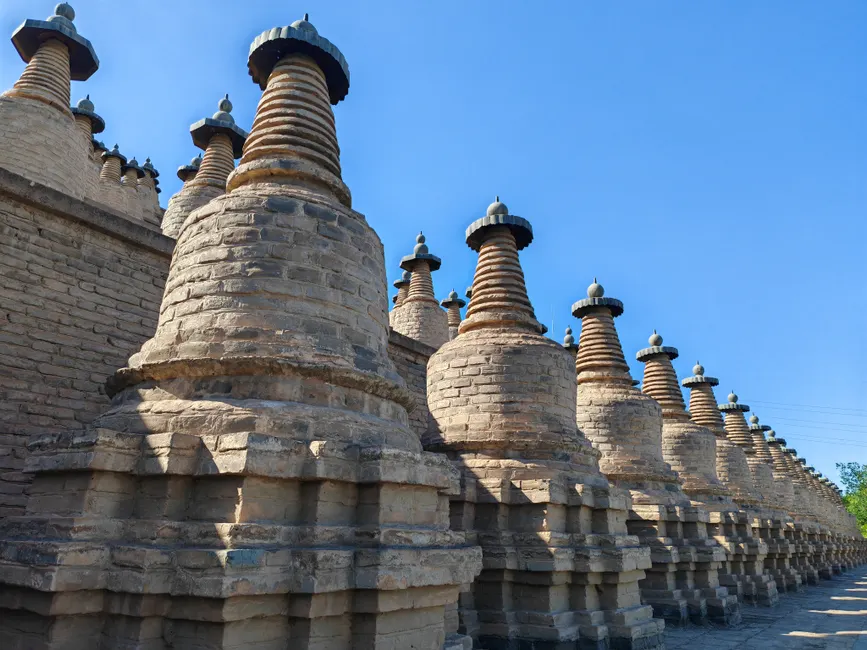
From 11 to 14 October 2026, the Ministry of Foreign Affairs organised a visit for foreign envoys to the Ningxia Hui Autonomous Region, attended by ambassadors and senior diplomats from 32 countries including Croatia, New Zealand, Austria, Tunisia, Uruguay, South Korea and the United Kingdom. The envoys visited the Minning Practice Hall for East-West Cooperation in Yongning County, Yinchuan, and the Hemei e-commerce assistance workshop, experienced straw checkerboard sand fixation at the Shapotou National Nature Reserve in Zhongwei, and toured the Western Xia Tombs, a goji berry estate and a photovoltaic base in the Tengger Desert. Wanke, Minister-Counsellor at the Nigerian Embassy in China, said the 30-year transformation of Minning from a barren Gobi desert to a new resettlement town moved him, and he hoped to bring what he saw back to his country.
Solomon Islands Ambassador to China Salato said the significance of Minning cooperation lies in long-term pairing, industrial support and experience sharing that root development capacity. Mamadou, Chargé d'Affaires of the Niger Embassy in China, personally planted straw checkerboards and hoped to bring sand control experience back to Niger. New Zealand Ambassador to China Jonathan Austin looked forward to expanding more agricultural and pastoral cooperation with China; Munidasa, Chargé d'Affaires of the Sri Lankan Embassy in China, hoped Ceylon tea and Ningxia wine would spark cooperation.
Head of the delegation, Croatian Ambassador to China Mihaelin, said that escaping poverty tailored to local conditions, developing distinctive industries and innovating for the future is a key to understanding China's development.
Commentary
Ningxia's sand control and industrial practices offer New Zealand SMEs a window into China's regional development strategies. New Zealand Ambassador to China Jonathan Austin mentioned expanding agricultural and pastoral cooperation during the visit—this is not diplomatic rhetoric. Ningxia's distinctive agriculture, such as goji berries and wine, has formed a complete chain from cultivation to e-commerce, while New Zealand's expertise in grass-fed livestock, agricultural technology and brand operations can complement local industrial upgrading needs.
For NZ SMEs, China's western market is not out of reach: Minning's e-commerce assistance workshop demonstrates how livestream selling connects remote area products directly to consumers nationwide, lowering market entry barriers. If New Zealand small and medium brands partner with local e-commerce service providers, they may leverage this to enter second- and third-tier cities. On the other hand, drone cleaning applications at the Tengger Desert photovoltaic base reflect China's rapid technological iteration in new energy operations and maintenance; New Zealand agricultural drone and precision irrigation companies could watch for potential demand in such scenarios.
However, it should be clearly recognised that Ningxia's industrial support policies are distinctly locally oriented, and foreign participation still requires flexible approaches such as joint ventures or technology licensing. If New Zealand companies want to capture business opportunities from exchanges like the 'envoy tour', they should focus on studying western Chinese provinces' special rural revitalisation plans and import substitution lists, rather than relying solely on signals from high-level visits.
Keywords: foreign envoys tour Ningxia, Minning cooperation, tailored to local conditions, straw checkerboard sand fixation, East-West cooperation, envoys from 32 countries, distinctive industries, poverty reduction experience
Source: Yunnan Network
Disclaimer: This article is compiled from publicly available sources for general information only. The analysis and commentary are editorial opinions. MiDeer Observer does not guarantee the accuracy or completeness of the information provided. Readers should seek independent professional advice before relying on this content, or contact us for more information.