Summary
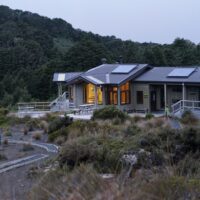
This article summarises recent key progress on multiple agrivoltaics projects. Trina Solar, in partnership with Lodestone Energy, has connected the Te Herenga o Te Rā solar farm in the Ōpōtiki district of New Zealand's North Island to the grid. The project, constructed along the Waikato River since 2023, was completed ahead of schedule in late 2024, marking the third agrivoltaics project between the two companies.
Chint New Energy's Ashburton 7.2MW agrivoltaics project on the Canterbury Plains of New Zealand's South Island has officially commenced operation, using 11,750 ASTRO N5 high-efficiency modules. Domestically, Beijing Energy International's Yila 75MW agrivoltaics project in Yuanjiang County, Yuxi, Yunnan, reached full capacity grid connection on 3 December 2024; Guoneng Changyuan's 100MW agrivoltaics project along the Yanhe River in Badong County, Hubei, obtained its electricity business licence and achieved full capacity grid connection on 26 November 2024. Internationally, Trina Solar's agrivoltaics project in Fukuchiyama City, Kyoto Prefecture, Japan, is now commercially operational, employing Vertex N 720W modules and expected to generate 2,700MWh annually, reducing CO₂ emissions by approximately 1,760 tonnes.
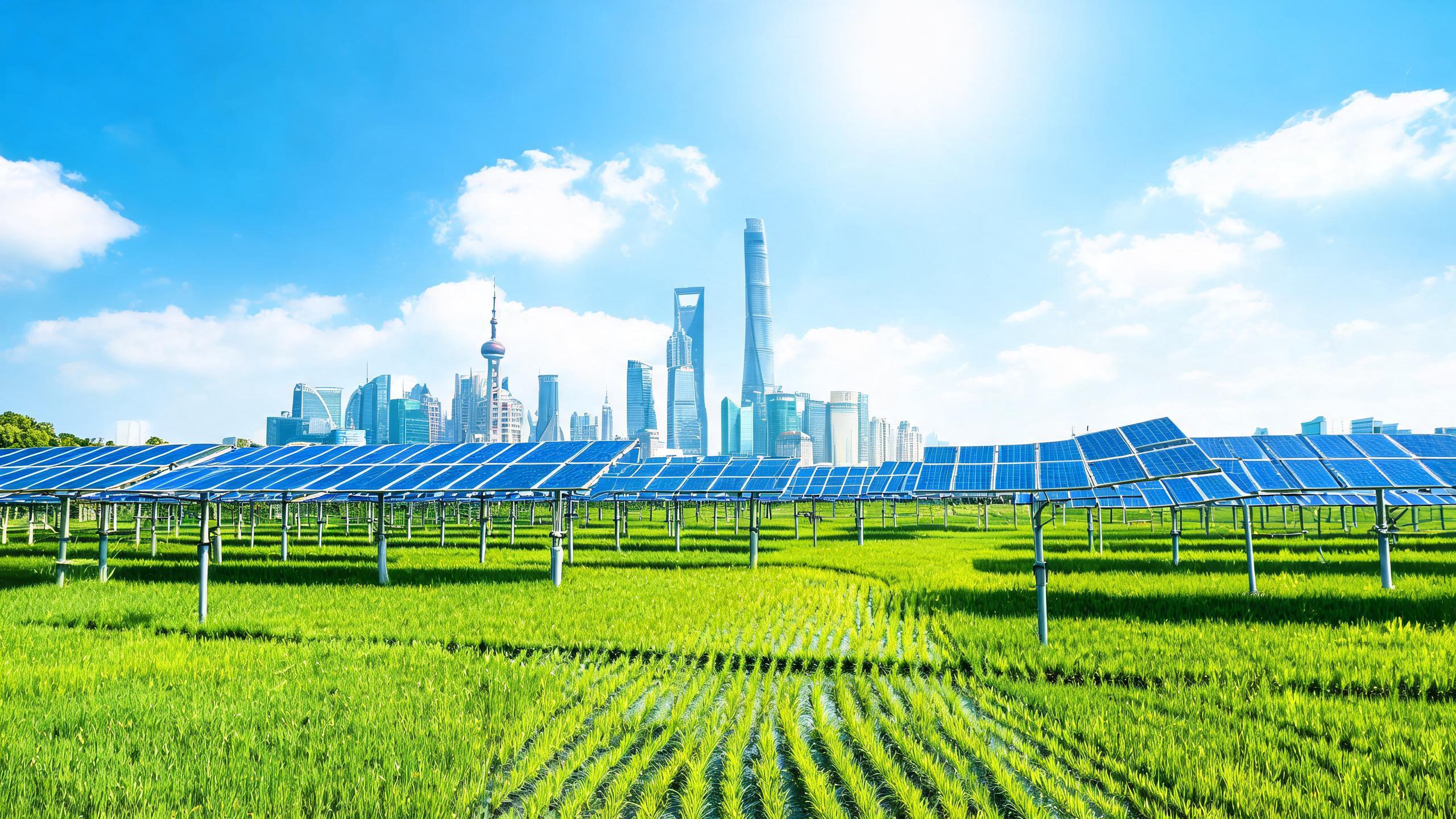
Additionally, Chint New Energy has won bids for the Shaanxi Jingyi Chemical Shenmu 100MW PV transmission project and the Huaneng Kuangtian agrivoltaics project. Multiple projects demonstrate the 'power generation above, cultivation below' model, utilising idle riverbanks and hillsides to achieve a win-win for clean energy and agriculture. The article also covers progress on agrivoltaics projects in Jingtai County, Gansu; Bijie, Guizhou; Yuncheng, Shanxi; and Yanchuan, Shaanxi, highlighting their role in promoting rural revitalisation and energy transition.
Commentary
For small and medium-sized enterprise owners in New Zealand, the rapid development of agrivoltaics projects brings a dual impact. On the positive side, Chinese companies such as Trina Solar and Chint New Energy's involvement in New Zealand projects offers local businesses opportunities to reduce energy costs and increase revenue. Farms can install solar panels on idle land to generate electricity for self-consumption or sale, while continuing to grow crops beneath the panels, achieving dual land use.
Moreover, a clean energy image helps enhance the sustainability certification value of agricultural products, attracting environmentally conscious consumers. However, challenges exist: the initial investment in PV systems is high, requiring SMEs to assess long-term returns and cash flow pressure; technical maintenance and grid connection requirements may increase operational complexity. Another perspective is market competition—Chinese PV companies, with their scale and technical advantages, may squeeze the space for local small and medium-sized installers, but they can also participate in the supply chain through cooperation or agency models.
Overall, the agrivoltaics model will reshape the economic model of agricultural land. SMEs should pay attention to policy subsidies, innovative power purchase agreements, and industry collaboration opportunities to balance risks and rewards.
Keywords: agrivoltaics, photovoltaic power, Trina Solar, Chint New Energy, New Zealand, clean energy, grid connection, sustainable development, energy transition

Source: Solarbe Photovoltaic Network
Disclaimer: This article is compiled from publicly available sources for general information only. The analysis and commentary are editorial opinions. MiDeer Observer does not guarantee the accuracy or completeness of the information provided. Readers should seek independent professional advice before relying on this content, or contact us for more information.