Summary
New Zealand’s export model heavily reliant on the Chinese market faces severe challenges. China’s construction sector continues to cool, sharply reducing demand for NZ timber. As of April 2024, Chinese ports had accumulated over 400 million cubic metres of NZ logs, yet local forestry companies continue shipping.
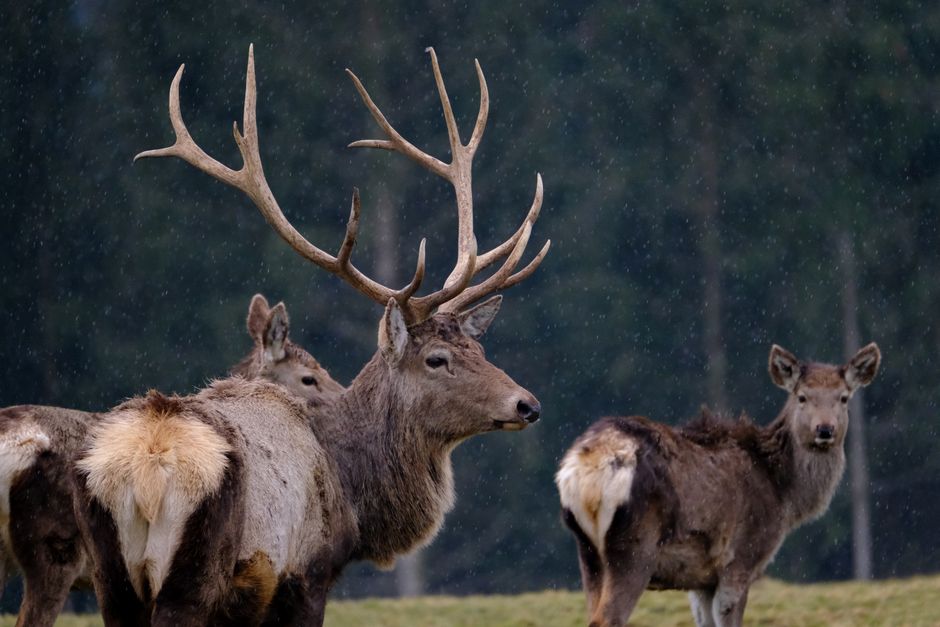
The CEO of a large NZ timber company noted that the forestry sector’s over-reliance on China’s property market has led to consequences: forestry activity down 30%-40%, sawmill overcapacity of 40%, product prices down 10%, with two or three mills expected to close within the next year or so. China accounts for 89% of NZ’s log export total, and 27% of NZ’s total export value depends on China. In addition, from May 2024 China stopped importing frozen deer velvet (used in traditional Chinese medicine), allowing only dried velvet.
In 2022, NZ’s deer velvet exports to China were worth approximately NZ$70 million (about CNY 300 million). The Ministry for Primary Industries is actively negotiating to allow frozen velvet into markets other than pharmaceuticals.
Commentary
For New Zealand SME owners, this news highlights the enormous risk of over-reliance on a single market. The timber industry’s plight is a stark warning: China’s property downturn has directly caused a forestry recession—production cuts, overcapacity, and price falls. If your business depends heavily on exports to China, especially commodities, you must actively diversify markets.
For example, the deer velvet sector already faces a sudden policy shift—the ban on frozen velvet forces firms to pivot to dried velvet or explore other markets such as South Korea. Another perspective: crisis also brings opportunity. Demand for dried velvet from China may rise, and processors could consider upgrading equipment; timber gluts mean Chinese buyers gain pricing power, but low local NZ prices may squeeze margins.
SMEs could explore onshore value-adding or shift to other construction markets (e.g. Southeast Asia). In conclusion, NZ forestry and deer data show that the higher the trade dependence, the more direct the impact of policy or demand shocks. SMEs should urgently assess customer concentration and prepare contingency plans for at least one alternative market or product line.
Keywords: NZ exports, Chinese market, timber, deer velvet, frozen deer velvet, property downturn, trade dependence, log backlog, industry downturn

Source: Baijiahao
Disclaimer: This article is compiled from publicly available sources for general information only. The analysis and commentary are editorial opinions. MiDeer Observer does not guarantee the accuracy or completeness of the information provided. Readers should seek independent professional advice before relying on this content, or contact us for more information.