Summary
A slowdown in China’s construction sector has reduced demand for New Zealand timber, with logs piling up at Tauranga port. Over 4 million cubic metres of New Zealand timber are stockpiled at Chinese ports, and Chinese importers are discounting radiata pine. A New Zealand timber company CEO said the industry is over-reliant on China, with forestry activity down 30%-40%, sawmill overcapacity at 40%, product prices falling 10%, and two mills expected to close next year.
China accounts for 89% of New Zealand’s log exports. Overall, China makes up 27% of New Zealand’s total exports. In velvet antler, New Zealand exported about NZ$70 million of frozen velvet antler to China in 2022, but since May this year China has stopped importing frozen velvet antler, using only dried product.
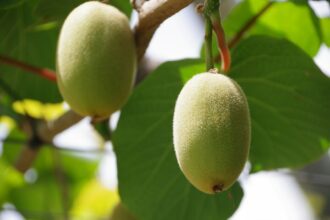
New Zealand’s Ministry for Primary Industries is negotiating market access elsewhere. Red meat exports in the first quarter totalled NZ$2.58 billion, down 5% year-on-year and the lowest since 2018. Zespri kiwifruit faces challenges to its expected 40% growth in sales to China this year due to China’s slow economic growth.
However, animal blood and gland products saw strong growth, with exports rising 118% to US$270 million in 2023.
Commentary
For your New Zealand business, this story’s most direct lesson is the risk of over-reliance on a single market. The timber industry has been hit hard by China’s property downturn, with forestry activity down 30%-40%, prices down 10%, and potential mill closures next year. This suggests that if your product is mainly sold to China, you should consider diversifying markets.
Also note the impact of Chinese policy changes: frozen velvet antler has been banned, with dried antler the only permitted form. If you trade velvet antler, adjust your product form or explore other markets. A positive signal comes from niche areas: animal blood and gland exports grew 118%, a high-value segment worth exploring.
New Zealand SMEs could process non-meat by-products (offal, blood, bone meal) into vaccine ingredients or medical devices, avoiding commodity price wars. Red meat exports overall are weak, but differentiation (e.g. grass-fed, organic) can maintain competitiveness in China. The kiwifruit challenge reminds us that even strong brands can’t fully resist consumption downgrades, as domestic substitutes (e.g. red-flesh kiwifruit) gain competitiveness.
Conclusion: finding alternatives to the China market or deepening involvement in high-value niches (e.g. animal by-products) will be key to future survival.
Keywords: New Zealand, China, exports, timber, velvet antler, red meat, kiwifruit, frozen products, market dependence, niche segments
Source: Toutiao
Disclaimer: This article is compiled from publicly available sources for general information only. The analysis and commentary are editorial opinions. MiDeer Observer does not guarantee the accuracy or completeness of the information provided. Readers should seek independent professional advice before relying on this content, or contact us for more information.