Summary
Kiwifruit originated in China, with seeds taken to New Zealand in 1904. Local merchants, concerned about export trade, renamed Chinese gooseberry to kiwifruit (borrowing the name of the native bird kiwi). According to 2024 statistics, China's kiwifruit production is about 2.15 million tonnes, while New Zealand's is about 670,000 tonnes, a difference of more than three times.
China remains the world's largest producer. However, in international markets, New Zealand's Zespri has become a globally renowned kiwifruit brand, with its SunGold variety commanding high premiums in many markets. In the 1980s, New Zealand's kiwifruit planting scale expanded rapidly, and countries like Italy and Chile also began developing kiwifruit exports.
Intensified competition led to falling prices, and by 1987, over 90 percent of growers were operating at a loss. In 1988, New Zealand growers voted to establish a 'unified export marketing system', where growers each cultivated their own crops but exported collectively. This gradually evolved into today's Zespri.
In 1997, Zespri International Limited was formally established. Zespri is owned and controlled by growers and enjoys a special export status granted by New Zealand law: under regulations, kiwifruit produced in New Zealand, except for Australia, must in principle be exported through Zespri, while other companies require approval. Therefore, Zespri's success cannot be simply attributed to brand marketing; it is backed by a whole set of industry organisation and national-level legal support.
Commentary
Zespri's rise offers a model of industry organisation and brand building for New Zealand SMEs. The global kiwifruit market has long been dominated by Zespri, whose brand premium far exceeds that of Chinese domestic kiwifruit, even though China's production is more than three times that of New Zealand. Zespri's special export status stems from growers' collective self-rescue during a price war in 1988, when a unified export system was established through legislation, avoiding internal competition and concentrating resources on global marketing and quality control.
For NZ SMEs, this suggests that in agriculture, which is highly export-dependent, a cooperative model and legal framework can create a moat. On the other hand, the Zespri model also faces challenges: producers in China, Italy, and Chile are accelerating variety improvement and branding, and Zespri needs to continuously invest in R&D (such as patented varieties like SunGold) to maintain differentiation. If New Zealand SMEs want to enter the Chinese market, they could focus on niche categories not covered by Zespri, or leverage tariff preferences under the China-NZ FTA, but they need to be aware of low-price competition and channel barriers from local Chinese brands.
Zespri's case shows that brand premium relies not only on marketing but also on supply chain integration and institutional design, which is an important lesson for resource-limited SMEs.
Keywords: Zespri, kiwifruit, Chinese gooseberry, New Zealand, unified export marketing system, SunGold, brand, export, growers
Summary in Chinese | 摘要
猕猴桃原产于中国,1904年种子被带到新西兰,当地商人出于出口贸易顾虑将Chinese gooseberry改名为Kiwifruit(借用国鸟Kiwi之名),即如今的「奇异果」。按2024年统计数据,中国猕猴桃产量约215万吨,新西兰约67万吨,相差三倍多,中国仍是全球产量最大的国家。但在国际市场上,来自新西兰的「佳沛Zespri」已成为全球知名奇异果品牌,其阳光金果SunGold在不少市场溢价很高。
20世纪80年代,新西兰猕猴桃种植规模迅速扩大,意大利、智利等国也开始发展猕猴桃出口,竞争加剧导致价格不断下跌,到1987年九成以上种植户处于亏损状态。1988年,新西兰果农投票决定建立「统一出口营销体系」,即果农各自种植、统一出口,后逐渐发展为今天的佳沛。1997年,Zespri International Limited正式成立。
佳沛由种植者持股控制,并享有新西兰法律赋予的特殊出口地位:根据法规,除澳大利亚外,新西兰产奇异果原则上都要经佳沛出口,其他企业则需审批。因此佳沛的成功不能简单归因于品牌营销,背后还有一整套产业组织和国家层面的法律支持。
Commentary in Chinese | 评论
佳沛的崛起为新西兰中小企业提供了产业组织与品牌建设的范本。全球奇异果市场长期由佳沛主导,其品牌溢价能力远超中国本土猕猴桃,尽管中国产量是新西兰的三倍多。佳沛的特殊出口地位源于1988年果农在价格战中的集体自救,通过立法确立统一出口体系,避免了内部竞争,集中资源进行全球营销和品控。
对NZ SME而言,这提示在高度依赖出口的农业领域,合作社模式和法律框架能形成护城河。但另一方面,佳沛模式也面临挑战:中国、意大利、智利等产地正加速品种改良和品牌化,佳沛需持续投入研发(如SunGold的专利品种)以维持差异化。新西兰中小企业若想进入中国市场,可关注佳沛未覆盖的细分品类,或利用中新自贸协定下的关税优惠,但需注意中国本土品牌的低价竞争和渠道壁垒。
佳沛的案例表明,品牌溢价不仅靠营销,更依赖供应链整合与制度设计,这对资源有限的中小企业是重要启示。
关键词: 佳沛, 奇异果, 猕猴桃, 新西兰, 统一出口营销体系, 阳光金果, Zespri, 品牌, 出口, 果农
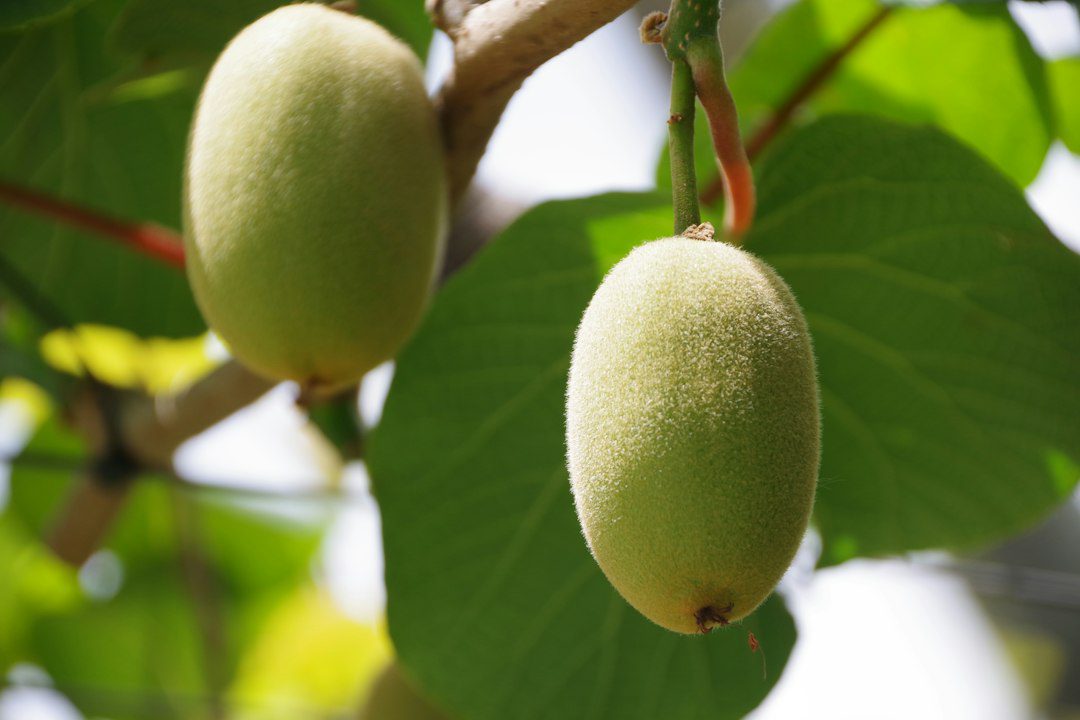
Source: Huxiu
Disclaimer: This article is compiled from publicly available sources for general information only. The analysis and commentary are editorial opinions. MiDeer Observer does not guarantee the accuracy or completeness of the information provided. Readers should seek independent professional advice before relying on this content, or contact us for more information.
免责声明:本文基于公开信息编译,仅供一般性参考。文中分析与评论为编辑观点。MiDeer Observer 不对所提供信息的准确性或完整性作出保证。读者在依赖本文内容前,应寻求独立专业意见,或联系我们获取更多信息。