Summary
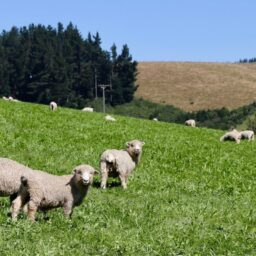
New Zealand's dairy history dates back to 1814, when missionary Samuel Marsden introduced one bull and two shorthorn cows in the Bay of Islands. Imported from Australia, the cattle provided milk, meat and draught power for early settlements, laying the foundation for dairy development. In the 19th century, settlers gradually converted forest into pasture, small family farms emerged, and butter and cheese became staple foods for local communities.
The arrival of refrigerated shipping in 1882 was a key turning point, enabling butter and cheese to be reliably shipped to distant markets, mainly Britain, giving dairy exports an opportunity and driving rapid expansion. Over the following decades, dairy co-operatives emerged, farmers adopted year-round grazing, improved pasture management, herd testing and breeding programmes, and co-operative ownership kept farmers at the centre of the value chain. In the 20th century, New Zealand dairy moved from exporting butter and cheese to supplying a diverse range of dairy ingredients and nutritional products.
Fonterra was formed in 2001, a farmer-owned co-operative that consolidated most of the country's dairy processing capacity and strengthened New Zealand's position in global dairy trade. Today New Zealand exports dairy products to more than 140 countries and is one of the world's leading dairy exporters. International Dairy Federation president Gilles Froment said New Zealand's dairy development shows what can be achieved when farmers, science and co-operation work together over generations; from the arrival of three cattle in the early 19th century to nourishing local people and people in more than 140 countries today, the story reflects the power of innovation, resilience and continuous improvement.
The 2026 IDF World Dairy Summit will be held in Auckland, and New Zealand as host not only provides the venue but also offers a vivid example of how innovation, science, co-operation and connection to the land can turn modest beginnings into global leadership.
Commentary
New Zealand's global dairy position is no accident but the result of a century-long synergy between the co-operative model, scientific breeding and refrigerated logistics. Fonterra, one of the world's largest dairy exporters, controls about 30% of global dairy trade, with Greater China accounting for about 25% of its revenue, and tariff arrangements in the Chinese market directly affect New Zealand dairy farmers' returns. For New Zealand small and medium-sized business owners, hosting the 2026 IDF World Dairy Summit in Auckland is not only an industry event but also a window to connect with global buyers and showcase high-value products.
Global dairy competition is intensifying, with the EU and the US accelerating penetration into Asian markets in categories such as cheese and whey protein, and New Zealand companies need to consolidate differentiated advantages in segments such as grass-fed, organic and A2 protein. On the other hand, the rise of Chinese domestic dairy companies and weak consumption may compress import demand, and SMEs should watch growth opportunities in emerging markets such as Southeast Asia and the Middle East, and use the zero-tariff policy under the upgraded China-New Zealand free trade agreement to optimise supply chain costs. From three cattle to an export footprint covering more than 140 countries, the resilience of New Zealand dairy lies in continuous innovation, but future growth will depend on finding a balance between sustainable production and cost control.
Keywords: New Zealand dairy, Fonterra, dairy exports, refrigerated shipping, dairy co-operatives, pasture-based farming, International Dairy Federation, World Dairy Summit 2026, Auckland, dairy history
Source: turkishagrinews.com
Disclaimer: This article is compiled from publicly available sources for general information only. The analysis and commentary are editorial opinions. MiDeer Observer does not guarantee the accuracy or completeness of the information provided. Readers should seek independent professional advice before relying on this content, or contact us for more information.