Summary
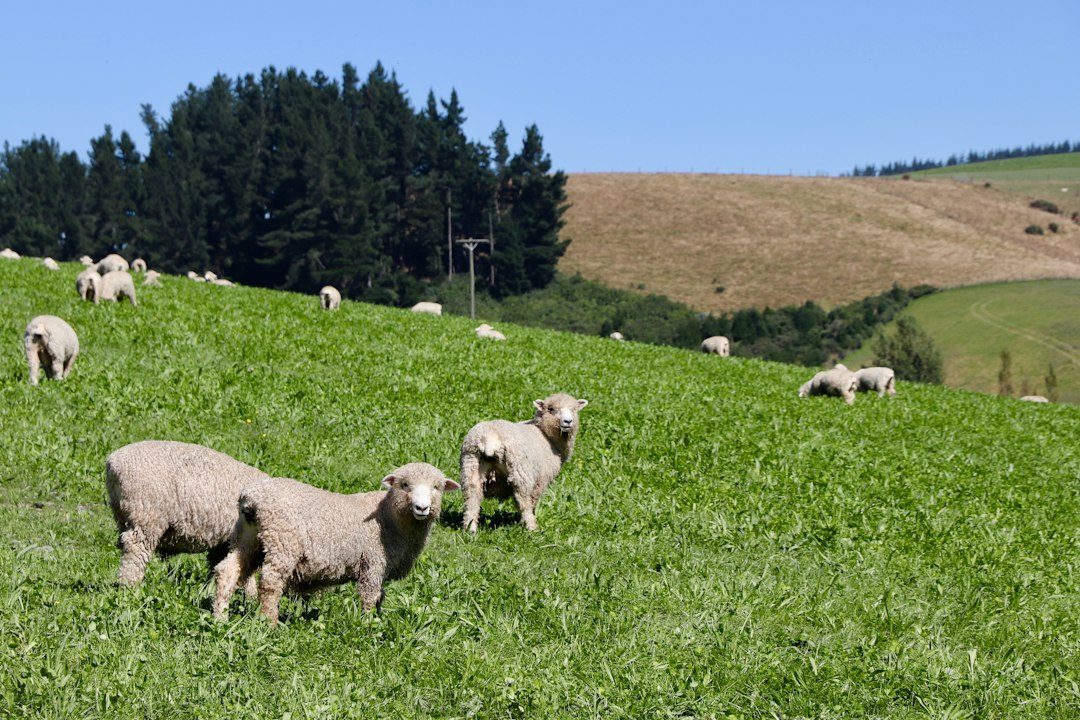
Global meat prices diverged sharply in the latest FAO report, with lamb up 9.1% and pork down 2.0%, while total output reached 379 million tonnes. Lamb prices rose steadily from May through year-end, as drought in New Zealand's South Island constrained supply and higher Australian output failed to close the gap, with strong import demand from the United States, the United Kingdom and the Near East. The lamb price index gained 9.1% for the year, the highest of the four categories.
Lamb output was 19.1 million tonnes, up 0.6% year on year, as India, Türkiye, Australia and Pakistan increased production while China, the EU, the UK and New Zealand reduced it. The report's conclusion on global meat price index and production trends is 'price divergence, moderate output growth, different category drivers'. The price index stood at 117.3, with lamb up 9.1%, beef up 6.7%, poultry up 1.5% and pork down 2.0%; output reached 379 million tonnes, including poultry at 150 million tonnes, beef at 78.7 million tonnes, pork at 125.1 million tonnes and lamb at 19.1 million tonnes.
Commentary
The latest FAO report shows marked divergence in global meat prices, with the lamb price index up 9.1% for the year, driven mainly by tighter supply from drought in New Zealand's South Island, Australian output failing to fully offset the shortfall, and strong demand from the US, UK and Middle East. New Zealand, one of the world's largest lamb exporters, derives about 40% of its meat export revenue from lamb; the price rise supports local farmers' short-term cash flow, but drought-driven production losses could weaken long-term supply capacity. Meanwhile, lamb output fell in China, the EU and the UK, while India, Türkiye and Australia increased production, and the global competitive landscape is shifting.
New Zealand SMEs should note two points: first, high lamb prices may prompt importers to seek alternative sources, so customer relationships must be maintained and quality differentiation emphasised; second, with feed costs and water stress rising, investment in drought-tolerant grasses and water-saving technology is advised to stabilise output. The 2.0% fall in pork prices reflects global oversupply, with limited impact on New Zealand, which is dominated by beef and lamb, though a consumer shift to cheaper protein could indirectly dampen lamb demand. Global meat output reached 379 million tonnes, with poultry and pork dominant and lamb accounting for just 5%, so New Zealand needs to consolidate its position in high-end niche markets.
Keywords: global meat price index, lamb prices, pork production, FAO, New Zealand South Island drought, meat production, price divergence, beef prices, poultry prices
Source: Three Cobblers Report
Disclaimer: This article is compiled from publicly available sources for general information only. The analysis and commentary are editorial opinions. MiDeer Observer does not guarantee the accuracy or completeness of the information provided. Readers should seek independent professional advice before relying on this content, or contact us for more information.