Summary
Radio New Zealand published an article on 14 September headlined 'China's booming coffee industry is challenging New Zealanders' idea of the perfect coffee', written by Liz Garton and translated by Wang Huicong. New Zealanders are discerning about the coffee they drink. Most of what they consume comes from traditional producers such as Brazil and Colombia, but Yunnan, a coffee-growing region in China, is quietly drawing attention.
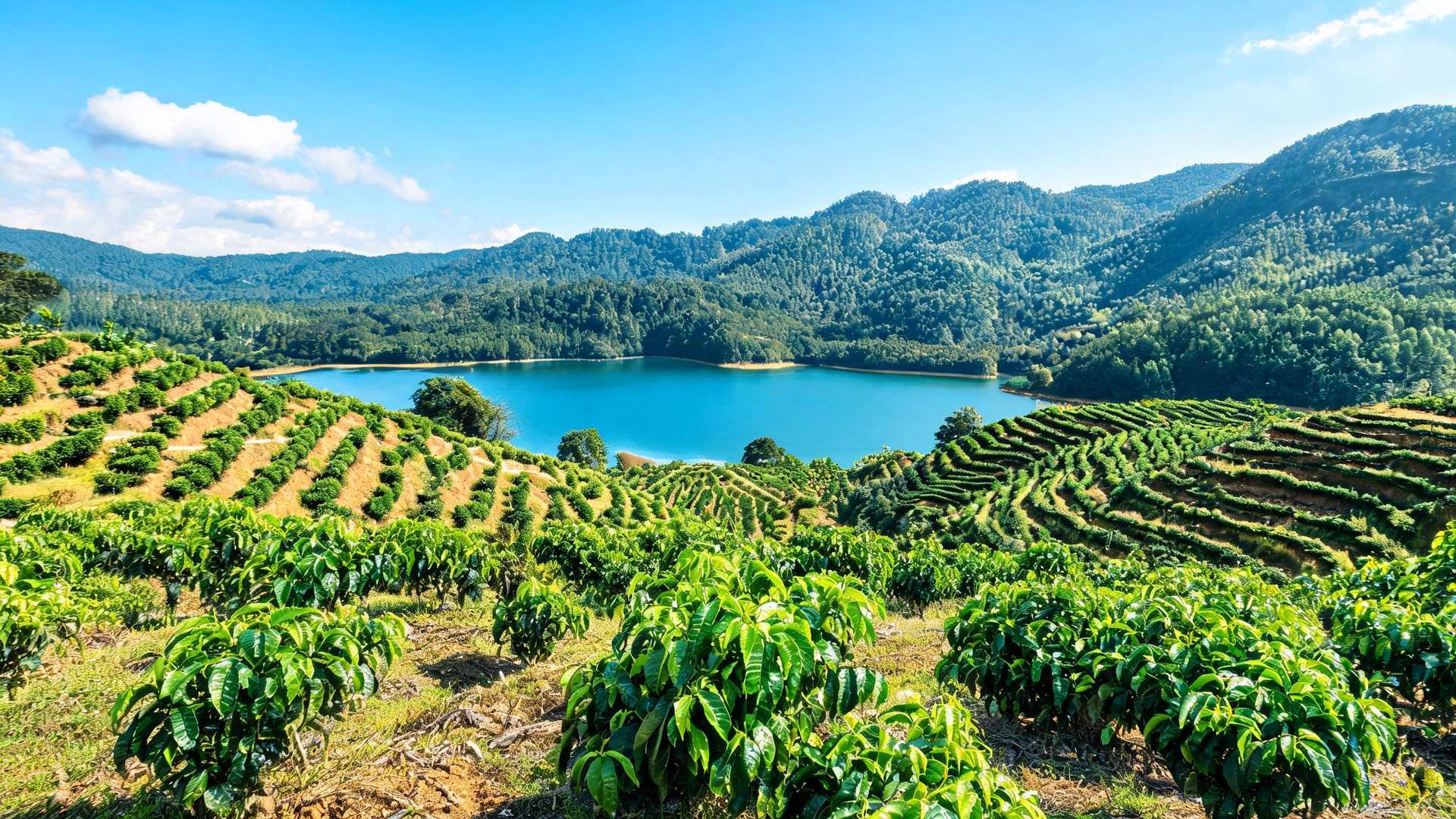
Sitting on the northern edge of the 'green belt' between the Tropic of Cancer and the Tropic of Capricorn, the region has spent the past 20 years building a solid reputation as an arabica producer. Kelly, co-founder of an Auckland coffee company, said a visit to coffee farms in Yunnan changed her understanding of coffee. Habouz, the company's head of education, said sustained investment, in-depth research and strong domestic demand have transformed China's coffee industry, and that Yunnan coffee is aromatic, full-bodied and layered.
Kelly added that 'they blend very well with milk', which suits New Zealanders' long-standing love of flat white. Most coffee grown in Yunnan is currently consumed in China, but New Zealand consumers have begun to see it at some specialty coffee roasters. Habouz also said Chinese specialty coffee drinkers tend to prefer pour-over or filter coffee over espresso, a preference closely tied to China's long tea-drinking tradition.
The New Zealand Specialty Coffee Association recently revived its long-suspended brewing competition, reflecting growing interest in pour-over and filter coffee.
Commentary
For local small business owners, the core value of Yunnan coffee entering the New Zealand specialty market lies in supply diversification and product differentiation. New Zealand ranks among the world's top countries for annual per-capita coffee consumption, yet its green bean supply is heavily concentrated in Brazil and Colombia. Extreme weather and logistics disruptions in Latin American growing regions have repeatedly pushed spot prices higher in recent years, squeezing margins for small roasters.
As China's largest coffee-producing region, Yunnan has steadily upgraded its arabica plantings, with some lots now cupping at specialty grade. Its strong affinity with milk suits New Zealand's dominant flat white and latte categories in particular, and it could serve as a sweetness component in blends. Yunnan's export volumes are limited, however.
The Chinese domestic market already absorbs most of its output, and smallholder farming leaves batch consistency uneven, so direct purchasing requires extra spending on cupping and supplier vetting. Another angle: the New Zealand Specialty Coffee Association's revival of the brewing competition reflects growth in filter and pour-over consumption, a setting in which Yunnan's floral and fruity profile shows better. That makes it well suited to seasonal single-origin offerings, using a provenance story to draw novelty-seeking customers.
Consumers still stereotype Chinese coffee as cheap commercial-grade beans, though, so market education will take time, and Yunnan's organic and traceability certification systems remain underdeveloped. To enter a local market that prizes sustainability narratives, buyers should prioritise lots with estate-level traceability records. The sensible path for now is small trial purchases paired with cupping sessions to verify quality control, rather than large-scale replacement of existing stock.
As the revived brewing competition creates more tasting occasions, Yunnan's flavour descriptions will become familiar to consumers faster, and roasters that build origin recognition early stand to gain a first-mover edge in the niche category.
Keywords: Yunnan coffee, New Zealand, arabica coffee, specialty coffee, coffee culture, filter coffee, pour-over coffee, flat white, Radio New Zealand, coffee industry
Summary in Chinese | 摘要
新西兰国家广播电台9月14日发表题为《中国蓬勃发展的咖啡产业正在挑战新西兰人对完美咖啡的认知》的文章,作者为利兹·加顿,由王会聪翻译。文章称,新西兰人对饮用的咖啡十分讲究,消费的大部分来自巴西和哥伦比亚等传统生产国,但中国云南这一咖啡种植区正悄然引起关注。云南位于南北回归线之间“绿带”区域的北部边缘,过去20年当地已逐渐打造起阿拉比卡咖啡产区的良好声誉。
奥克兰一家咖啡企业的联合创始人凯丽表示,一次参观云南省咖啡农场的经历改变了她对咖啡的认知;该企业教育业务负责人哈布兹表示,持续的投资、深入的研究和强劲的国内需求已经改变了中国咖啡产业,云南咖啡香气浓郁、口感醇厚且层次丰富,凯丽补充说“它们跟牛奶融合得很好”,非常契合新西兰人对馥芮白咖啡长久以来的热爱。目前云南种植的大部分咖啡都在中国国内消费,但新西兰消费者已开始在一些精品咖啡烘焙商那里看到它们的身影。哈布兹还指出,中国精品咖啡饮用者通常更偏爱手冲或滴滤咖啡而非意式浓缩,这种偏好与中国悠久的饮茶传统密切相关。
新西兰精品咖啡协会最近恢复了曾经长期停办的冲煮比赛,反映出人们对手冲和滴滤咖啡的兴趣正与日俱增。
Commentary in Chinese | 评论
云南咖啡进入新西兰精品咖啡市场,对本地中小企业主而言,核心价值在于供应多元化和产品差异化。新西兰年人均咖啡消费量位居全球前列,但生豆供应高度集中于巴西、哥伦比亚,近年拉美产区的极端天气和物流波动已多次推高现货价格,小型烘焙商利润空间受压。云南作为中国最大咖啡产区,阿拉比卡种植持续升级,部分批次杯测达到精品级别,且其牛奶融合度高的特点尤其适配新西兰主流的馥芮白与拿铁品类,可成为拼配豆中的甜感补充。
不过,云南咖啡出口量有限,中国国内市场已消耗大部分产量,且小农模式导致批次稳定性不足,直接采购需额外投入杯测筛选与供应商审核。另一个视角是,新西兰精品咖啡协会恢复冲煮比赛,反映出滴滤与手冲消费增长,而云南咖啡的花果香调性在这一场景中更具表现力,适合咖啡馆推出季节限定单品,以产地故事吸引尝鲜型顾客。但消费者对中国咖啡仍存低价商业豆的刻板印象,市场教育需要时间,且云南有机与可追溯认证体系尚不完善,若想进入注重可持续叙事的本地市场,需优先选择有庄园溯源记录的批次。
当前合理路径是小批量试购、配合杯测活动验证品控,而非大规模替换现有库存。随着冲煮比赛恢复带来的品鉴场景增多,云南咖啡的风味描述将更快被消费者熟悉,早期建立产区认知的烘焙商有望在细分品类中占据先机。
关键词: 云南咖啡, 新西兰, 阿拉比卡咖啡, 精品咖啡, 咖啡文化, 滴滤咖啡, 手冲咖啡, 馥芮白, 新西兰国家广播电台, 咖啡产业
Source: Nujiang Grand Canyon Network
Disclaimer: This article is compiled from publicly available sources for general information only. The analysis and commentary are editorial opinions. MiDeer Observer does not guarantee the accuracy or completeness of the information provided. Readers should seek independent professional advice before relying on this content, or contact us for more information.
免责声明:本文基于公开信息编译,仅供一般性参考。文中分析与评论为编辑观点。MiDeer Observer 不对所提供信息的准确性或完整性作出保证。读者在依赖本文内容前,应寻求独立专业意见,或联系我们获取更多信息。