Summary
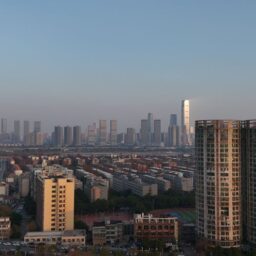
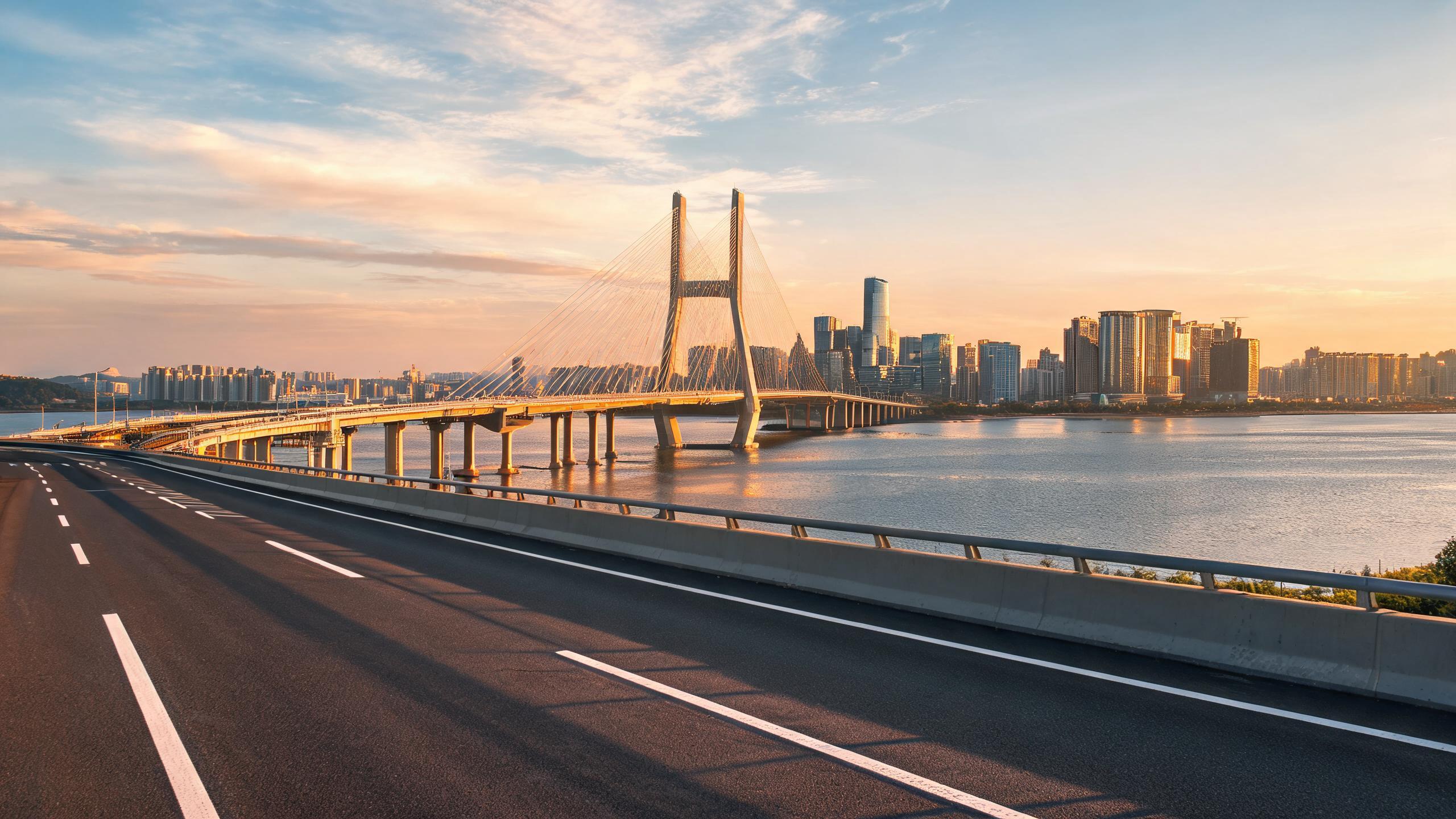
Chinese-style modernisation led by the Communist Party of China is driving national rejuvenation. The article showcases achievements through 'Great Power Pathways' (roads, bridges, trains, ports, networks): high-speed rail operating mileage exceeds 50,000 km; total expressway mileage surpasses 190,000 km; the Huajiang Grand Canyon Bridge in Guizhou ranks world first in both height and span; the Shenzhen-Zhongshan Link becomes the transport artery of the Greater Bay Area; the CR450 Fuxing bullet train sets new speed records; production and sales of new energy vehicles exceed 16 million units, ranking first globally for 11 consecutive years; China claims eight of the top ten global ports (by cargo throughput) and six of the top ten (by container throughput); the national water network covers 80.3% of the land area; 5G base stations cover all prefecture-level cities and county seats. The article notes that the theoretical innovation of Chinese-style modernisation is a key outcome of the 20th National Congress of the CPC.
By leveraging the new nationwide system for mobilising resources, China is addressing 'bottleneck' issues and building a new development paradigm to ensure development security. From the First Five-Year Plan to the 15th Five-Year Plan, China has evolved from an incomplete industrial structure to the world's largest manufacturing nation. The article stresses that the 'two combinations' (combining Marxism with China's concrete realities and with its fine traditional culture) are the key to success, promoting common prosperity, material and cultural enrichment, and harmony between humanity and nature.
China is now closer to the goal of national rejuvenation than at any time in history.
Commentary
What does this article about Chinese-style modernisation mean for New Zealand small business owners? While it does not directly address trade policy, the achievements in infrastructure and the digital economy reveal potential opportunities. The expansion of China's high-speed rail and expressway networks will lower logistics costs and improve supply chain efficiency, providing more convenient routes for New Zealand exports of fresh produce and dairy products to inland cities.
China's leading global port status indicates its growing role as a trade hub; NZ enterprises can leverage Chinese port distribution networks (e.g., Shanghai, Ningbo) to expand into Asian markets. The explosive growth of new energy vehicles (16 million units produced and sold annually) creates demand for supporting industries such as battery raw materials and eco-friendly materials, potentially benefiting New Zealand's lithium mining and wool (for interiors) sectors. Additionally, 5G and digital infrastructure are driving consumption upgrades; online retail and live-streaming e-commerce will become key channels for NZ brands entering the Chinese market.
A caution: China's independent innovation (e.g., CR450 high-speed rail) may reduce reliance on some high-tech imports, but there remains room for mid- to low-end consumer goods and agricultural products. NZ businesses are advised to monitor China's regional coordinated development policies, such as the Guangdong-Hong Kong-Macao Greater Bay Area and the Chengdu-Chongqing Economic Circle, and to proactively build brand presence and partnerships in these high-growth regions.
Keywords: Chinese-style modernisation, infrastructure, high-speed rail, new energy vehicles, ports, digital economy, new nationwide system for mobilising resources, national rejuvenation

Source: China.org.cn
Disclaimer: This article is compiled from publicly available sources for general information only. The analysis and commentary are editorial opinions. MiDeer Observer does not guarantee the accuracy or completeness of the information provided. Readers should seek independent professional advice before relying on this content, or contact us for more information.