Summary
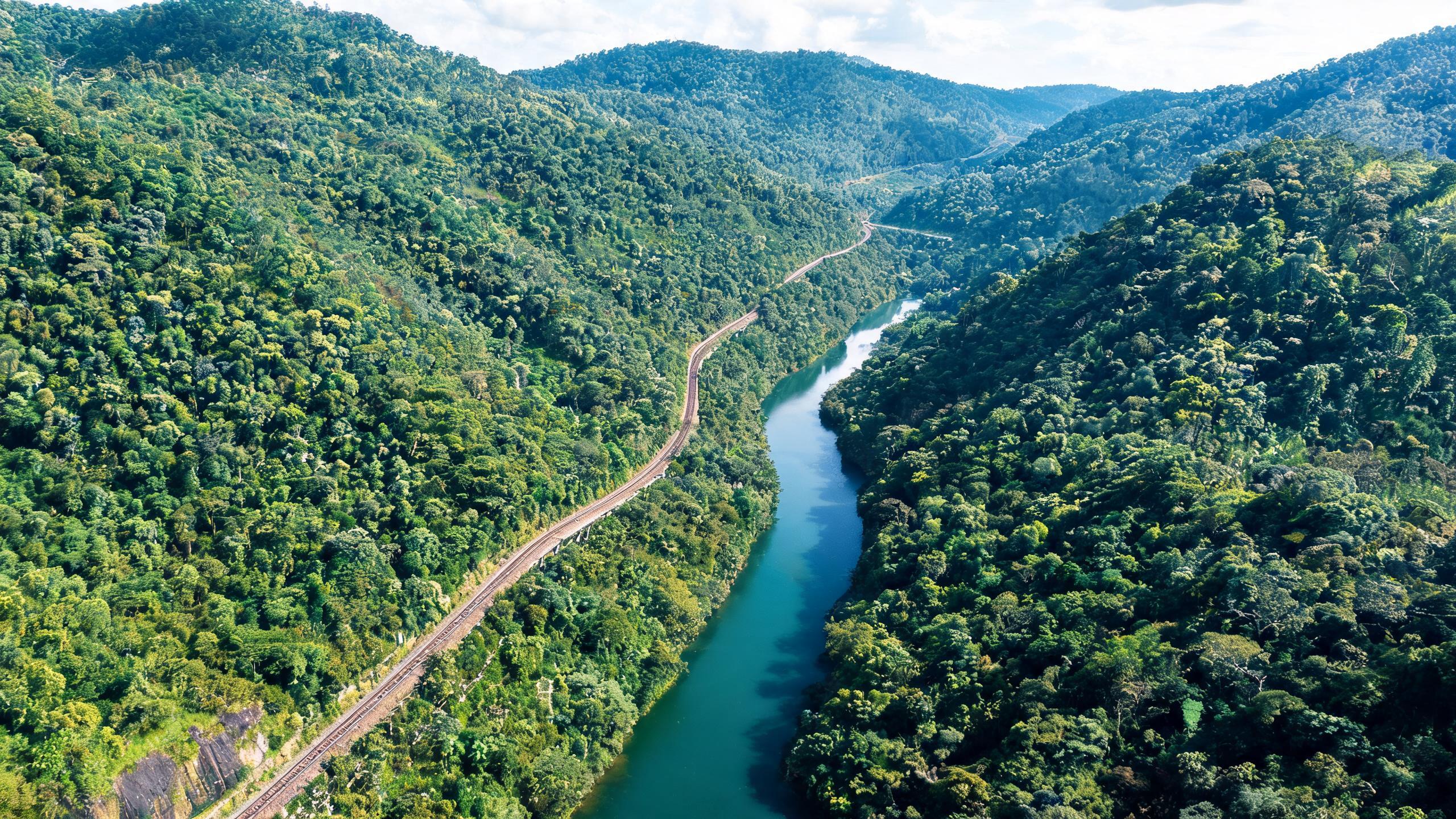
A section of the Thai-Burma 'Death Railway' submerged underwater has re-emerged due to recent maintenance drainage of a Thai reservoir. Built in 1942 by Japanese militarists to support their war of aggression, the 415-kilometre railway was constructed using about 200,000 Asian labourers and over 60,000 Allied prisoners of war. Completed in just over a year, it caused the deaths of more than 100,000 people, averaging 2-3 deaths for every 10 metres of track.
Kaechana, operations manager of the museum and research centre, noted that causes of death included food shortages, lack of medical care, cholera and malaria epidemics, abuse and malnutrition. More than 100 cemeteries were scattered along the railway. After the war, about 120 Japanese soldiers were tried for war crimes, of whom 32 were executed.
Today, trial records and other materials are preserved in the museum, serving as a reminder to remember history and cherish peace.
Commentary
For New Zealand small and medium enterprise owners, this news is a reminder that a peaceful and stable geopolitical environment is the foundation for international trade. The atrocities of Japanese militarism during WWII disrupted Asia's economic order, while today the economic and trade cooperation among China, Thailand and New Zealand depends on peace. From another perspective, the re-emergence of the reservoir site could boost war history tourism in Thailand.
New Zealand tour operators might consider including the 'Death Railway' in Southeast Asian itineraries, but must be mindful of ethical sensitivities and avoid profiting from suffering. Historical lessons show that investment and trade must be built on respect for human rights and the rule of law, otherwise short-term gains may be eroded by geopolitical risks. New Zealand businesses should monitor changes in the Southeast Asian market, integrate social responsibility into business decisions, and ensure long-term sustainable operations.
Keywords: Thai-Burma Death Railway, Japanese army, war crimes, Asian labourers, Allied prisoners of war, historical site, museum, peace

Source: China.org.cn
Disclaimer: This article is compiled from publicly available sources for general information only. The analysis and commentary are editorial opinions. MiDeer Observer does not guarantee the accuracy or completeness of the information provided. Readers should seek independent professional advice before relying on this content, or contact us for more information.