Summary
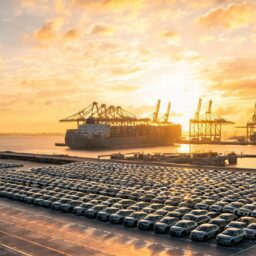
China exported 2.42 million new energy vehicles (NEVs) in the first half of 2026, a 70 percent year-on-year increase. Russia regained the top spot with 448, 200 units,
up 148 percent, while Brazil followed with 410, 800 units as automakers accelerated deliveries before a 35 percent import tariff on electric vehicles took effect on July 1. Italy and Algeria entered the top ten,
while Saudi Arabia and Kazakhstan fell out.
Commentary
China has reinforced its leading position as the world's largest auto exporter, with NEVs making up nearly 60 percent of shipments. The latest rankings underscore how tariff and non-tariff barriers can quickly reshape trade flows. Brazil's inventory build-up ahead of the 35 percent punitive tariff and Russia's rebound after last year's halving reflect a 'pulse-style' export pattern shaped by policy uncertainties.
Meanwhile, Italy and Algeria's entry into the top ten signals Chinese carmakers are making inroads into mature European markets and tapping into Africa's growth potential. For New Zealand and Australian SMEs focused on the local market, Australia's fifth-place contribution to China's export growth suggests broader import channels and sharper price competition. Opportunities lie in localising maintenance services, charging network operations and parts supply chains.
Monitoring Chinese automakers' overseas plant plans and the rollout of right-hand-drive models could help businesses position themselves early.
Keywords: China auto exports, Russia, Brazil, new energy vehicles, export ranking, tariff, year-on-year growth, top 10 countries
Source: Nil
Disclaimer: This article is compiled from publicly available sources for general information only. The analysis and commentary are editorial opinions. MiDeer Observer does not guarantee the accuracy or completeness of the information provided. Readers should seek independent professional advice before relying on this content, or contact us for more information.