Summary
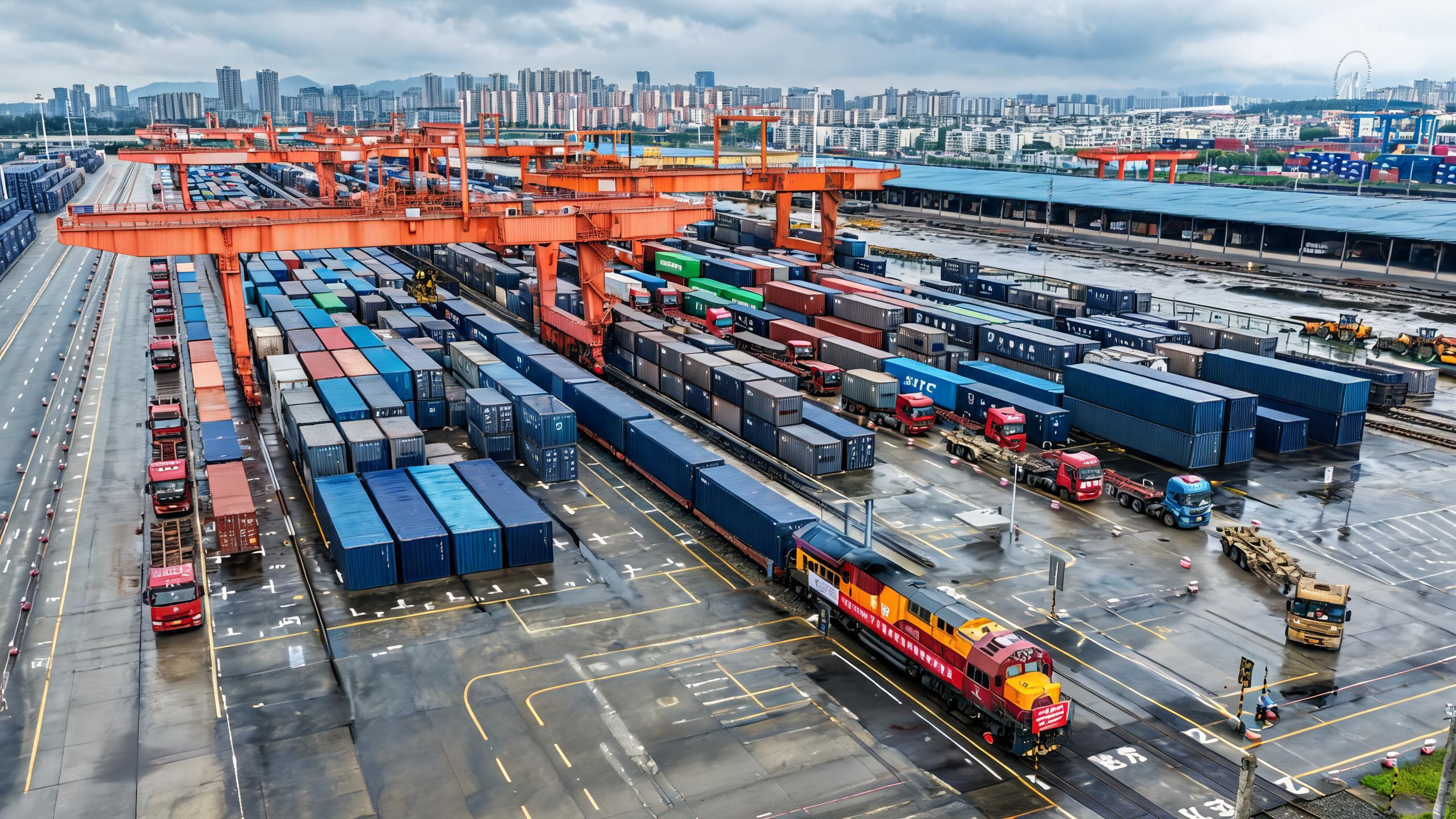
China's goods trade expanded 35.81 percent year on year in the first seven months to 35.80 trillion yuan, according to the General Administration of Customs. Trade with ASEAN, the EU, Latin America and Africa grew 20 percent, 9.5 percent, 15.4 percent and 18.9 percent respectively, while flows with Belt and Road partner countries rose 15.5 percent. Exports of mechanical and electrical products climbed 21.2 percent to 11.12 trillion yuan, making up 63.8 percent of total exports.
Electric vehicle and lithium battery shipments jumped 71.2 percent and 35.8 percent. China also extended zero-tariff treatment to all 53 African countries with diplomatic ties, helping lift imports from Africa by 23.5 percent year on year in May and June. John Denton, secretary-general of the International Chamber of Commerce, said China's mature industrial system and supply chain network underpin its economic resilience.
The fourth China International Supply Chain Expo drew 676 companies from 85 countries.
Commentary
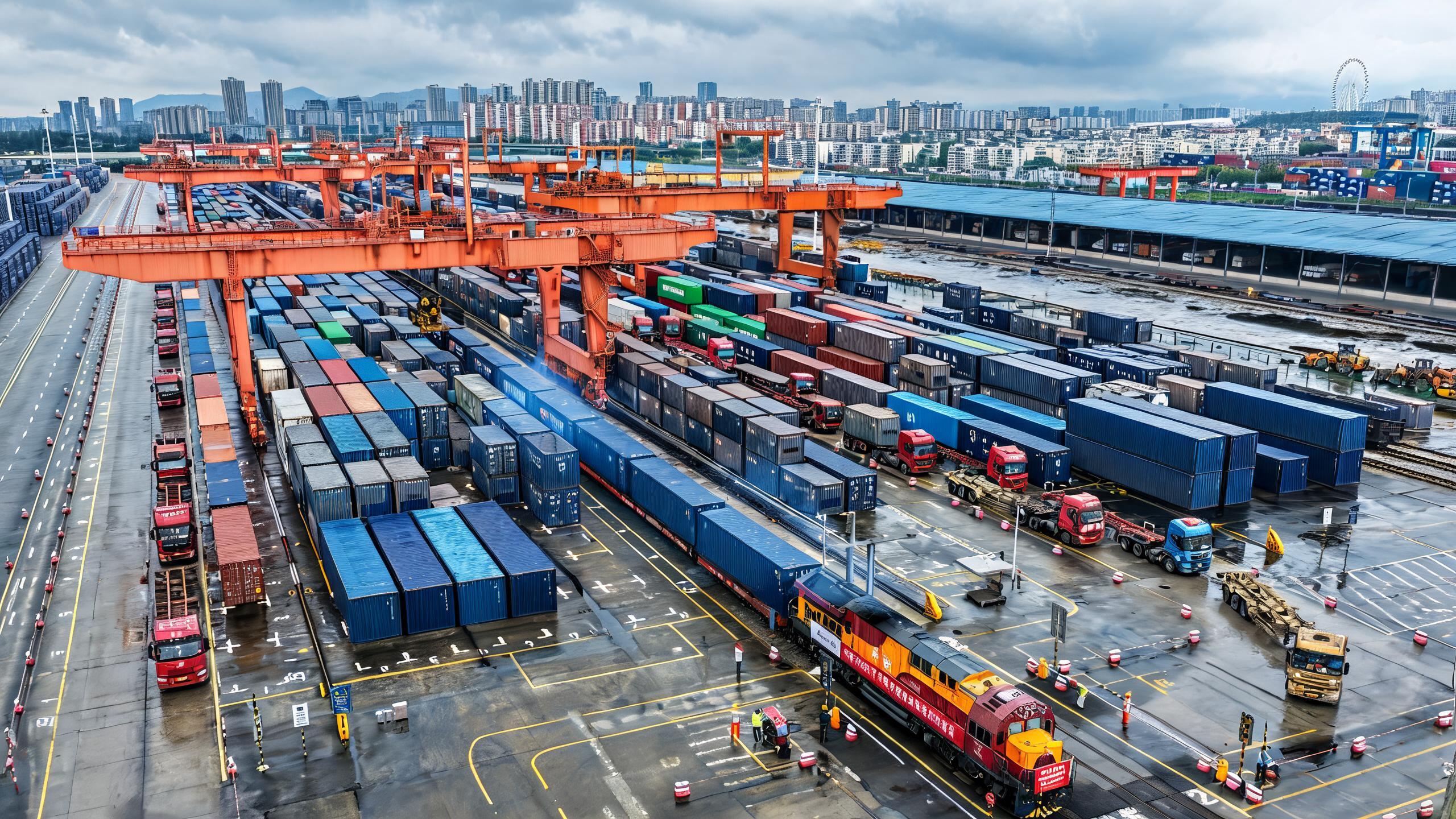
China's 17.3 percent trade growth in the first seven months, with mechanical and electrical goods taking nearly 64 percent of exports and electric vehicle and lithium battery shipments up 71.2 percent and 35.8 percent, shows a clear shift toward higher-value supply chain segments. For New Zealand SMEs, this carries a dual message. As China remains New Zealand's largest trading partner, its resilient supply chain helps stabilise import costs and delivery times for machinery and electronic components, while China-Europe freight trains and diversified ports lower the risk of logistics disruptions.
At the same time, China's zero-tariff policy for 53 African countries has boosted direct agricultural imports, such as Ethiopian coffee, potentially reshaping global flows of primary products and squeezing some substitute markets. Meanwhile, China's electric vehicle demand is lifting lithium and nickel prices, benefiting neighbouring Australia. New Zealand firms could explore opportunities in transport, technical services or critical mineral processing support.
This is not a simple expansion of capacity but a structural upgrade. Kiwi SMEs need to reposition their comparative advantages within regional supply chains rather than rely solely on traditional dairy and meat exports.
Keywords: foreign trade growth, supply chain resilience, import and export, mechanical and electrical products, electric vehicles, zero tariff, China-Europe freight train, China International Supply Chain Expo
Source: China.org.cn
Disclaimer: This article is compiled from publicly available sources for general information only. The analysis and commentary are editorial opinions. MiDeer Observer does not guarantee the accuracy or completeness of the information provided. Readers should seek independent professional advice before relying on this content, or contact us for more information.