Summary
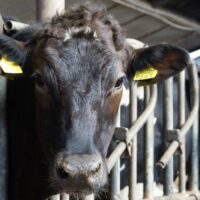
On 30 October, the Ministry of Commerce issued an announcement detailing the total export quotas for goods in 2026. The specific quotas are as follows: liquorice and liquorice products 5.2 million kg, artificially planted ephedra for medicinal use 1,028,900 kg, live pigs (to Hong Kong and Macau) 1,605,400 head, live cattle (to Hong Kong and Macau) 22,000 head, live chickens (to Hong Kong) 3 million head, sawn timber 150,000 cubic metres, and rushes and rush products 16 million kg. Operators exporting the above goods must apply to the Ministry of Commerce for quotas, and obtain export licences using quota certificates or bidding winning certificates.
The application period for 2026 export quotas (excluding those allocated via bidding) is from 1 November to 15 November 2025, with provincial commerce authorities verifying and forwarding applications to the Ministry of Commerce. The Ministry will complete allocation by 15 December 2025. Quotas for liquorice and its products, as well as rushes and their products, are allocated through bidding, with conditions to be announced separately.
In 2026, export quota management for phosphate rock and silver will continue to be suspended, replaced by export licence management, with licences obtained upon presenting contracts.
Commentary
This announcement means for New Zealand SME owners that China implements strict export quota management on certain goods, potentially affecting the import competition landscape for related industries in New Zealand. First, the sawn timber quota of 150,000 cubic metres: if New Zealand exports timber to China, it is necessary to monitor whether China's sawn timber export quotas lead to international price fluctuations or supply tightness, but the quotas mainly restrict China's exports, with a limited impact on Chinese imports. Second, quotas for live pigs, cattle and chickens mainly target the Hong Kong and Macau markets, and do not directly compete with New Zealand's meat exports to China; however, if China reduces local supply and turns to imports, it could create opportunities.
Additionally, quota management for traditional Chinese medicinal materials like liquorice: if New Zealand has similar products for export, attention should be paid to changes in China's domestic raw material supply. It is recommended that New Zealand businesses assess whether their products are substitutes or complements to the above quota goods, and monitor trade signals from China's future quota adjustments. Conclusion: China's export quota system reflects its preference for controlling specific resources; New Zealand exporters should adjust their market strategies accordingly to avoid supply chain misunderstandings.
Keywords: export quotas, 2026, Ministry of Commerce, licences, liquorice, sawn timber, live pigs, live cattle, application period
Source: Tencent News
Disclaimer: This article is compiled from publicly available sources for general information only. The analysis and commentary are editorial opinions. MiDeer Observer does not guarantee the accuracy or completeness of the information provided. Readers should seek independent professional advice before relying on this content, or contact us for more information.