Summary
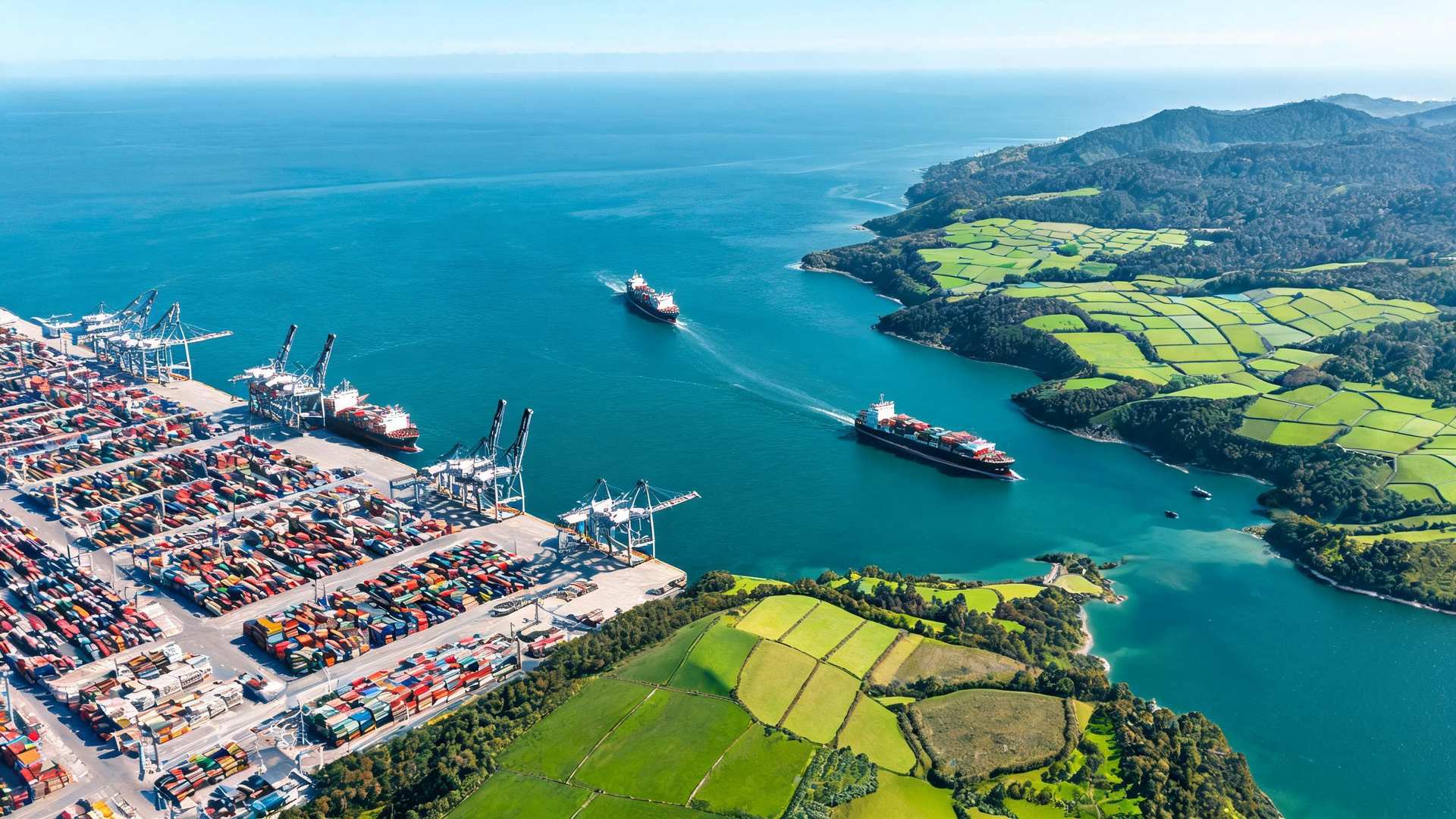
Shandong Port Qingdao Port Xilian Company has upgraded its New Zealand service into a two-way closed loop, carrying imported pulp on the outbound leg and steel on the return leg to complete import and export operations with a single vessel and maximise cargo capacity. The company loads high-quality construction steel from nine Yellow River basin provinces and other regions onto the same returning vessel that delivers New Zealand pulp, creating a precise loop in which overseas raw materials enter the port and quality goods from the Yellow River basin go abroad, breaking the traditional one-way shipping model. To strengthen the supply chain, the company works directly with upstream and downstream pulp and steel enterprises, gathering inland construction materials at the port to form a dual reserve of imported raw materials and export cargo and broaden hinterland supply.
Under the multimodal transport system, imported pulp is quickly unloaded and distributed by road and rail to hinterland factories, while domestic construction steel is consolidated from inland plants at the port and shipped on the same vessel, cutting transshipment steps and logistics time. The model forms a supply chain spanning resource imports, industrial processing and finished goods exports, creating a win-win for the port, shipping lines and cargo owners. The company said it will continue to tap two-way domestic and international cargo potential, improve its route network, strengthen land-sea coordination and expand new two-way logistics scenarios.
Commentary
The two-way logistics loop between Qingdao Port and New Zealand, with pulp inbound and steel outbound, reflects the upgrading role of ports as global supply chains restructure regionally. Radiata pine pulp from New Zealand is an important raw material for China's paper industry, with annual imports in the order of one million tonnes, while Chinese steel exports face global trade barriers, making use of empty return capacity to cut logistics costs key to competitiveness. For NZ SMEs, the model may in the short term concentrate logistics for New Zealand pulp exports, requiring smaller forestry exporters to adapt to route arrangements centred on Qingdao Port, potentially squeezing their bargaining power.
In the longer term, however, more stable two-way liner services could reduce overall shipping volatility and offer more predictable capacity and transit times for New Zealand imports of Chinese building materials, machinery and other goods. Notably, Qingdao Port sits at the heart of the manufacturing hinterland of nine Yellow River basin provinces, and its multimodal network can efficiently consolidate inland cargo at the port, meaning New Zealand exporters may in future face more customised procurement demand from inland China rather than only coastal traders. NZ SMEs should reassess the potential for direct engagement with China's second- and third-tier cities and use the new port corridor to shorten intermediate supply chain steps.
Keywords: Qingdao Port, New Zealand route, two-way logistics, pulp imports, construction steel exports, land-sea coordination, multimodal transport, nine Yellow River basin provinces, supply chain closed loop
Source: Sina Finance
Disclaimer: This article is compiled from publicly available sources for general information only. The analysis and commentary are editorial opinions. MiDeer Observer does not guarantee the accuracy or completeness of the information provided. Readers should seek independent professional advice before relying on this content, or contact us for more information.