Summary
Imports of Australian Wagyu beef have been hit by a 55 percent safeguard tariff imposed on June 20 (a combined rate of 67 percent), lifting prices of high-end grain-fed steaks by 10-25 percent and Wagyu by 15-30 percent,
while grass-fed prices have risen less than 5 percent. Domestic and South American alternatives are gaining ground.
Commentary
China's safeguard tariff on Australian beef has sharply lifted the cost of imported high-end Wagyu, with price increases of 15-30 percent, reshaping the competitive landscape for imported beef. New Zealand beef exporters should see a double impact. On one hand, the retreat of premium Australian products may open pricing room, potentially benefiting New Zealand Wagyu and premium grass-fed beef.
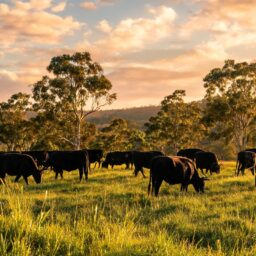
With NZ's beef tariff on China eliminated under the upgraded FTA, the cost advantage is significant. However, NZ's annual Wagyu output is only about 1,500 tonnes, making it difficult to fill the Australian gap in the short term. A more realistic strategy is to promote premium grass-fed ranges under brands such as Silver Fern Farms, highlighting natural grazing and sustainability credentials.
On the other hand, South American beef alternatives are accelerating, with Brazil and Argentina leveraging volume and low prices to capture wholesale channels. New Zealand should avoid price wars, focusing instead on channels like members' clubs and premium e-commerce outlets in first-tier cities, emphasising traceability and a low carbon footprint. Australia's annual quota being used up within six months underscores China's solid demand for premium beef.
New Zealand SMEs could consider partnering with local importers to launch quarterly small-batch pre-sales, securing restaurant groups and high-net-worth households, and leveraging flexible supply chains to capture the migration of high-end dining.
Keywords: Australian Wagyu, imported beef, safeguard tariff, market outlook, price increase, quota exhausted, substitution effect, grain-fed steak, grass-fed beef
Summary in Chinese | 摘要
2026年7月,澳洲和牛进口牛肉因6月20日起超额加征55%保障关税(综合税率67%),高端谷饲牛排涨10%-25%,和牛涨15%-30%,草饲涨幅控制在5%以内,国产与南美替代加速。
Commentary in Chinese | 评论
中国对澳洲牛肉启动保障关税后,高端和牛进口成本骤增,涨幅达15%-30%,将重塑进口牛肉竞争版图。新西兰牛肉出口商需看到双重影响:一方面,澳洲高端产品退潮留出的价格空间,可能利好新西兰和牛与草饲精品牛肉。新西兰对华牛肉关税在FTA升级后已归零,成本优势显著,但本国和牛年产量仅约1,500吨,短期难以填补澳洲缺口,更现实的策略是推广银蕨农场等品牌的高端草饲系列,主打自然放牧与可持续标签。
另一方面,南美牛肉替代提速,巴西、阿根廷凭借量大价低抢占批发渠道,新西兰需避开价格战,聚焦一线城市会员店、电商精品仓等渠道,强调可追溯性与低碳足迹。澳洲年度配额半年即用尽,印证了中国市场对优质牛肉的刚性需求。新西兰中小企业不妨与国内进口商合作推出季度小批量预售,锁定餐饮集团与高净值家庭,以灵活供应链捕捉高端餐桌的迁移红利。
关键词: 澳洲和牛, 进口牛肉, 保障关税, 市场行情, 价格涨幅, 配额用尽, 替代效应, 谷饲牛排, 草饲牛肉

Source: Sina
Disclaimer: This article is compiled from publicly available sources for general information only. The analysis and commentary are editorial opinions. MiDeer Observer does not guarantee the accuracy or completeness of the information provided. Readers should seek independent professional advice before relying on this content, or contact us for more information.
免责声明:本文基于公开信息编译,仅供一般性参考。文中分析与评论为编辑观点。MiDeer Observer 不对所提供信息的准确性或完整性作出保证。读者在依赖本文内容前,应寻求独立专业意见,或联系我们获取更多信息。