
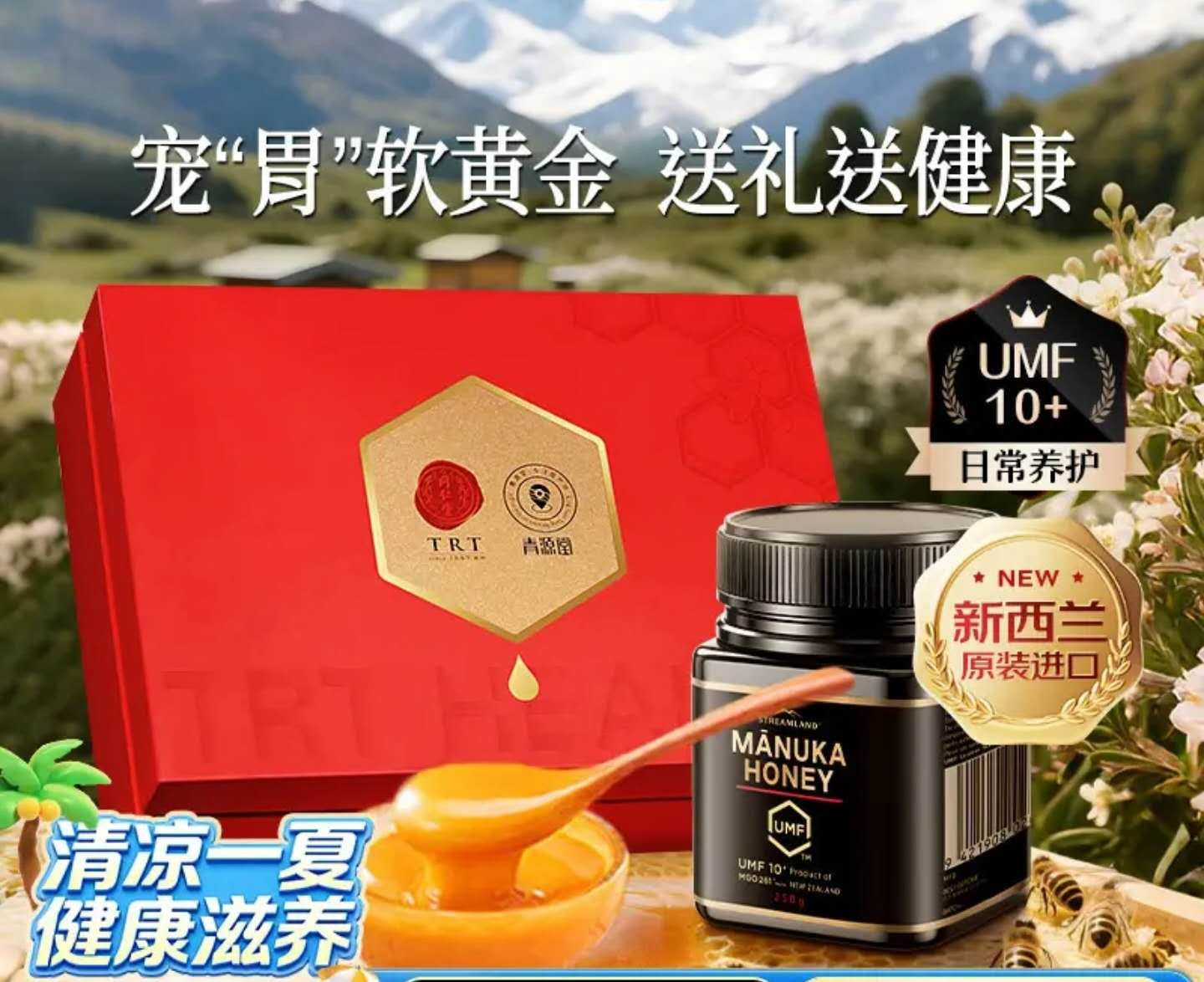
Manuka Honey: What the Chinese Digital Shelf Actually Looks Like
Based on 225 SKUs on JD and 148 SKUs on Taobao, a seven-lens analytical framework, and 1,000+ real buyer reviews
Trade landscape: China’s total honey imports rose 12.2% year on year to 3,560 tonnes in 2025. New Zealand remains the largest source but its share fell from 43.2% to 40.3%, while Australian exports to China surged 184%, becoming the most significant competitive variable.
Competition: Comvita returned to profit in H1 FY26, but Greater China’s share of its revenue declined from ~46% in FY22 to 31.7%. Based on a scan of 225 SKUs on JD.com and 148 on Taobao, Comvita dominates the Chinese e-commerce shelf with 130 SKUs and an estimated ~54.2% market share.
Consumer insights: Analysis of 1,000+ buyer reviews shows consumers prioritise efficacy and gifting — fewer than 15 reviews mention a specific UMF grade. Consumption is shifting from gifting to personal health, with the self-consumption share rising from ~35% in 2019 to ~68% in 2024.
THE SHELFSeven Lenses
1. Category Trend: NZ Brands Hold 80%+ of Shelf Space
| Platform | NZ Brand % | Non-NZ Brand % | Note |
|---|---|---|---|
| JD | 80.9% | 19.1% | 21 brands |
| Taobao | 84.5% | 15.5% | 23 brands |
Among non-NZ brands, JD is led by JD Jingzao (JD’s private label, 8 SKUs), DNZ (9 SKUs) and BILI (7 SKUs); Taobao is led by Mailika (4 SKUs) and multiple unbranded “Australian import” resellers.
Price-band distribution reveals different user profiles across the two platforms: mid-range (¥200–400) dominates JD (35.1%), while low-end (¥100–200) dominates Taobao (31.8%).
| Price Band | JD | Taobao |
|---|---|---|
| Entry (<¥100) | 12.0% | 20.3% |
| Low (¥100–200) | 26.2% | 31.8% |
| Mid (¥200–400) | 35.1% | 26.4% |
| High (¥400–700) | 13.8% | 8.8% |
| Premium (¥700+) | 12.9% | 12.8% |
By grading tier, UMF 10+ is the most common rating on both platforms (59 SKUs on JD, 36 on Taobao), followed by UMF 5+. MGO ratings are rare (8.0% on JD, 5.4% on Taobao), and low MGO grades such as MGO 30+ fall below the equivalent of UMF 5+.
2. Readability: UMF Leads, but ~24% of Taobao SKUs Show No Rating at All
| Platform | UMF Only | MGO Only | Both | Neither |
|---|---|---|---|---|
| JD (225 SKUs) | 85.8% | 0.9% | 7.1% | 6.2% |
| Taobao (148 SKUs) | 70.3% | 2.7% | 2.7% | 24.3% |
UMF is dominant on Chinese e-commerce — over 85% of JD SKUs carry UMF alone. But an often-overlooked signal: roughly 24% of Taobao SKUs display no rating system at all (neither UMF nor MGO), competing solely on brand name and price. MGO appears only on a handful of brands such as Manuka Health, and most of those also display UMF. Dual-rated SKUs are scarce (JD 7.1%, Taobao 2.7%), leaving cross-grade comparison largely unsupported.
3. Recognition: The “New Zealand” Label Still Commands a Premium, but Platform Gaps Exist
| Platform | NZ Brand Avg Price | Non-NZ Brand Avg Price | Premium |
|---|---|---|---|
| JD | ¥366 | ¥334 | +9.8% |
| Taobao | ¥312 | ¥255 | +22.8% |
Note: Averages are based on post-coupon lowest available price, not controlled for UMF grade or weight — the price gap may reflect different product mixes rather than a pure origin premium. Non-NZ brand sample sizes are small (JD 43 SKUs, Taobao 23 SKUs); averages are sensitive to individual low-price SKUs. The per-gram comparison at the same UMF level (JD Jingzao ¥0.18/g vs Comvita ¥0.25–0.36/g) is a more reliable reference.
4. Crowding: Comvita Dominates, the Top 3 Hold More Than 60%
| Rank | Brand | JD SKUs | JD Share | Taobao SKUs | Taobao Share |
|---|---|---|---|---|---|
| 1 | Comvita | 70 | 31.1% | 60 | 40.5% |
| 2 | Milanda (NZGOLDHEALTH) | 45 | 20.0% | 24 | 16.2% |
| 3 | Manuka Health | 24 | 10.7% | 8 | 5.4% |
| 4 | Watson & Son | 15 | 6.7% | 10 | 6.8% |
| 5 | Hakatere Naturals | 9 | 4.0% | 7 | 4.7% |
Top-3 concentration is 61.8% on JD and 62.2% on Taobao; Top-5 concentration is 72.4% and 73.6% respectively. Brand structure is remarkably similar across both platforms.
5. Pricing Resilience: Taobao Is a Promotional Battleground
| Platform | Promo-tagged SKUs | Clearance / Near-expiry | Promo Avg Price | Non-Promo Avg Price |
|---|---|---|---|---|
| JD | 40.9% | 3.1% | ¥338 | ¥375 |
| Taobao | 89.2% | 8.8% | ¥304 | ¥298 |
Close to 90% of Taobao SKUs carry promotional tags such as “super discount”, “instant price drop” or “billion-yuan subsidy” (百亿补贴, a state-subsidised discount programme). Clearance items (near-expiry) account for 8.8% on Taobao, nearly three times JD’s 3.1%. JD’s promotional density (40.9%) is significantly lower, but the 3.1% clearance rate shows that even brand self-operated channels face inventory-turnover pressure. The Taobao promo average price (¥304) is slightly higher than the non-promo average (¥298); this is because 89% of SKUs carry promotional tags, leaving a very small non-promo sample with a different product mix that is not directly comparable.
6. Searchability: Search “Manuka Honey”, NZ Brands Fill the Front Page
| Platform | NZ Brands in Top 20 | Official Stores in Top 10 |
|---|---|---|
| JD | 90.0% | 100% |
| Taobao | 95.0% | 10% |
The search “麦卢卡蜂蜜” returned 21 brands on JD and 23 on Taobao. NZ brands dominate the front rows — 90% of JD’s top 20 are NZ brands, 95% on Taobao. But the tail still includes 4–5 non-NZ brands (e.g. JD Jingzao, DNZ, BILI, Mailika) entering via “NZ-imported ingredients”, competing for the remaining 15–19% of shelf space. JD’s top 10 are all official flagship or JD self-operated stores; Taobao’s top 10 include only one official store (Tmall International Self-Operated), with the rest being brand direct-sales shops and third-party resellers.
7. Product Format: 95%+ Bottled Raw Honey, Only Lozenges Have Scaled
| Product Type | JD SKUs | Taobao SKUs | Brands Involved |
|---|---|---|---|
| Bottled / jarred raw honey | ~215 | ~140 | All 21–23 brands |
| Honey lozenges (solid honey drops) | 5 | 4 | Comvita, Milanda, Watson & Son |
| Honey pastilles | 0 | 1 | TTHC (non-mainstream) |
| Honey spray (non-NZ brand) | 0 | 1 | Australian brand |
When searching “manuka honey”, derivative products account for less than 5% of total SKUs. The only format that has achieved scale is Comvita’s lozenge line (UMF 10+/15+), with 200,000+ units sold on JD, positioned as “Teacher’s Day gift” and “office throat care” — a lower price point (¥80–109) that serves as a more accessible entry product than bottled honey. Derivatives sold on Comvita’s NZ website (toothpaste, skincare, etc.) do not appear on Chinese e-commerce, likely because their product titles do not contain the “manuka honey” search keyword.
NZ Background of Top-Ranking Brands on the China Shelf
| Brand | China Shelf Rank (JD / Taobao) | New Zealand Background |
|---|---|---|
| Comvita | #1 / #1 | NZX-listed; NZ’s largest manuka honey company |
| Milanda (NZGOLDHEALTH) | #2 / #2 | NZ brand (NZGOLDHEALTH; Chinese market name: 蜜兰达) |
| Manuka Health | #3 / #4 | NZ brand; claims UMFHA “world’s largest manuka producer” certificate |
| Watson & Son | #4 / #3 | NZ brand |
| Hakatere Naturals | #5 / #5 | NZ brand (NZ Honey Group) |
| DNZ | #6 / — | NZ brand (Natural Pastures Group; Daily Nutrition New Zealand) |
| Rikoland | #7 / — | Chinese brand (uses NZ-sourced honey; 200+ retail points across 27 cities) |
| JD Jingzao | #8 / — | Chinese brand (JD private label, uses NZ-sourced honey) |
| Xinxidao (New Zealand Honey Co.) | — / #6 | NZ brand (New Zealand Honey Co.) |
| TAHI | — / #7 | NZ brand |
Note: “New Zealand Background” column is compiled from publicly available sources, not independently verified with each brand. Manuka Health’s “world’s largest” claim is sourced from brand promotional materials at the CIIE expo; independent third-party confirmation was not obtained.
THE VOICESWhat Do 1,000+ Reviews Tell Us?
This issue collected buyer reviews from Comvita, Milanda, Manuka Health and Watson & Son across both JD and Taobao, totalling 1,000+. Comvita and Milanda have the most complete review coverage across both platforms, so the analysis below focuses primarily on these two brands. The following findings are based on keyword frequency analysis of the collected reviews.
Keyword Frequency Matrix
| Keyword Category | Comvita JD | Milanda JD | Comvita Taobao | Milanda Taobao |
|---|---|---|---|---|
| Efficacy (stomach) | 126 | 133 | 70 | 31 |
| Price | 174 | 126 | 34 | 19 |
| Date / freshness | 92 | 26 | 17 | 10 |
| Effectiveness perception | 52 | 60 | 41 | 8 |
| Packaging / gift | 221 | 195 | 61 | 213 |
| Logistics | 106 | 79 | 48 | 43 |
| Authenticity | 30 | 30 | 24 | 1 |
Finding 1: Comvita’s Date Problem on JD Is a Unique Hard Flaw
In Comvita’s JD reviews, date-related keywords appeared 92 times. By contrast, Milanda’s JD reviews contained only 26 date-related mentions — Comvita’s date management issues are roughly 3.5× more severe.
“In 2026, to receive food made in 2023 with only one year left — only a third of the shelf life remaining.” (JD Comvita, negative review)
Finding 2: Milanda’s Gift Appeal Overwhelms Comvita’s — but JD Tells a Different Story
In Milanda’s Taobao reviews, packaging/gift keywords appeared 213 times, 3.5× Comvita’s Taobao count (61). Milanda’s Taobao product presentation and visual packaging strategy have been extraordinarily successful — a large number of reviews use strikingly similar language (“the gift box texture is amazing”, “giving this as a gift is totally face-saving”, “premium gift box + custom wooden spoon”), suggesting heavy investment in guiding review language.
“The packaging is absolutely terrible — the bottle is completely mangled.” (JD Milanda, negative review)
But the same strategy misfired on JD: Milanda’s JD reviews also show 195 packaging mentions, many of them negative — “gift bag tears at the slightest pull”, “dust on the bottle body”, “honey leaking”. The same product line delivers a starkly different packaging experience across the two platforms.
Finding 3: JD Buyers Discuss Efficacy More Than Taobao Buyers
Comvita’s JD reviews contain 126 efficacy-related mentions and 52 effectiveness-perception mentions; the Taobao figures are 70 and 41 respectively. JD buyers pay close attention to efficacy — positive efficacy mentions on JD even exceed those on Taobao.
But there is a darker side to efficacy discussion: Comvita’s Taobao reviews contain 24 authenticity mentions, while Milanda’s Taobao reviews have only 1. Higher awareness comes with higher controversy — more buyers are asking “is this genuine?”
Finding 4: Packaging/Gift and Price Are the Two Most Discussed Categories Across Both Brands
Across the collected reviews, packaging/gift is the most frequently mentioned category for both brands (Comvita: 221+61=282; Milanda: 195+213=408), followed by price (Comvita: 174+34=208; Milanda: 126+19=145). Comvita’s unique pain point is date/freshness (92 mentions on JD alone), while Milanda’s distinguishing characteristic is the sheer volume of gift-related discussion (408 mentions across both platforms).
Finding 5: UMF Grade? Consumers Barely Mention It
Across 1,000+ reviews, fewer than 15 explicitly mention a specific UMF grade. The vast majority of buyers focus on brand, price and size (500 g vs 250 g) rather than the difference between UMF 5+ and UMF 15+. For NZ brands that anchor their value proposition on UMF grading, this is a sobering signal: the technical metric you are most proud of is one consumers largely ignore.
Other Brands at a Glance
Manuka Health and Watson & Son reviews on Taobao reveal sharply different buyer profiles.
Manuka Health buyers are most concerned about price (15.2% mention rate) and efficacy (13.8%). The word “expensive” appears 17 times — the highest among all brands. Multiple reviews complain about rapid price drops. On the efficacy side, Manuka Health has a large base of 10+ year loyal users, and H. pylori remission testimonials are a key element of word-of-mouth. However, the brand faces a unique trust crisis: some buyers accuse it of “mixing genuine and fake stock”, and others question the safety of its PET plastic bottles.
Watson & Son presents an entirely different picture — efficacy dominates (23.6%), far outpacing every other category, and buyers describe effects in vivid detail (“stomach pain stopped in 10 minutes”, “after three months, chronic gastritis attacks became less frequent”). Taste and texture descriptions are remarkably nuanced (“caramel blended with herbal notes”, “velvet-like mouthfeel”), echoing the seller’s emphasis on its “Pure Flow emulsification technology”. Multiple reviews voluntarily compare Watson & Son favourably against Comvita (“Comvita 15+ did nothing for me”). Authenticity concerns are minimal (2.2%) — brand trust is the highest among the four.
Two Brands, Two Strategies, Two Traps
The 1,000+ review dataset makes the “two shelves, two sets of rules” conclusion more specific — it is not just about two platforms, but about two leading brands walking completely different paths within the same category, each stepping into its own trap.
Comvita’s Trap: Scale Backfires on Experience
Comvita has deployed the most SKUs in China (70 on JD, 60 on Taobao), commands the highest brand recognition, and generates the most review discussion. But 1,000+ reviews reveal a paradox: the larger the scale, the harder it is to control the experience.
JD’s self-operated channel is the hardest hit. Date-related keywords appeared 92 times in Comvita’s JD reviews — the product itself may be fine, but buyers are unhappy with the freshness of what they receive. Negative reviews are blunt: “in 2026, to receive food made in 2023”, “colour is pale yellow, lighter than before”, “the JD-bought version tastes the sweetest — so sweet it hurts the throat”. Multiple negative reviews compare the product unfavourably with what they have bought in Australia or New Zealand, and authenticity doubts appear 24 times on Taobao.
Price volatility is another pain point. “Just bought it yesterday and it’s discounted today”, “first time giving a negative review — used to pay over ¥400 and it was always coffee-coloured; bought this during 618… the colour is pale yellow”. Comvita’s frequent promotions attract new buyers and clear inventory, but erode trust among existing purchasers.
Milanda’s Trap: Gift Bubble
Milanda took a completely different road — gift-driven. 213 packaging/gift keyword mentions on Taobao (vs Comvita’s 61), with large numbers of reviews using strikingly similar, emotionally charged language: “texture is amazing”, “totally face-saving”, “premium gift box + custom wooden spoon”.
But this strategy has a fragile foundation. Milanda’s JD reviews also show 195 packaging mentions — “gift bag tears at the slightest pull”, “dust on the bottle body”, “honey leaking” — negative feedback in abundance. The same product line delivers a vastly different packaging experience across the two platforms, suggesting that Milanda’s packaging standards were not enforced in the JD channel.
The deeper risk: when the gift attribute is too dominant, the product’s own value gets diluted. Milanda’s JD reviews show 126 price-related mentions and 60 effectiveness-perception mentions. Negative reviews include “finished two bottles, haven’t felt any effect”, “feels like paying an IQ tax” (i.e. a waste of money). Buyers purchased the packaging, but ultimately have to reckon with whether the honey inside the jar justifies the price.
Three Implications for NZ Brands
First, JD warehousing and packaging are the real quality-control litmus test. Both Comvita and Milanda experienced serious packaging/date issues on JD, but the causes may differ — Comvita’s problem is too many SKUs and slow inventory turnover leading to stale stock; Milanda’s problem is gift packaging that gets damaged in JD’s logistics. Whatever the cause, an NZ brand that focuses on production but neglects channel experience will find negative reviews catching up fast in China.
Second, the weight of UMF grading in Chinese consumers’ minds is overestimated. Fewer than 15 out of 1,000+ reviews mention a specific UMF grade. Consumers choose by brand (“Comvita is the most trustworthy”), not by grade (“UMF 15+ is better than UMF 5+”). This means a new entrant without Comvita’s brand power cannot rely on UMF numbers to tell its story — you need another differentiator.
Third, gifting and self-use require completely different operations. Milanda’s Taobao gift strategy is successful (213 packaging discussions), but JD’s negative feedback shows the gift packaging was not executed properly in the self-operated channel. Running both platforms and both scenarios simultaneously doubles operational cost.
Three questions worth asking yourself:
1. Is your brand following Comvita’s “omnichannel, high-awareness” path, or Milanda’s “gift-driven” path?
2. If consumers do not care about UMF grading, what else can your brand story offer?
3. When 30% of your JD negative reviews say “packaging damaged”, does your Tmall positive rating still mean anything?
Verification methodology
Each key data point in this report was independently checked via public searches. “Verified” means independently confirmed through publicly accessible authoritative sources; “Partially verified” means directionally credible but sourced from paid reports, industry estimates, second-hand accounts or brand claims; “Unverified” means no independently confirmable primary source was found.
Scope note
Where multiple statistical scopes exist (e.g. market size), figures are presented side by side with scope explanations.
Disclaimer
This report was prepared by MiDeer Observer, a publication of MiDeer Limited, from publicly available information and is provided for general reference only. It does not constitute investment, legal or business advice. Content labelled “Partially verified” or “Unverified” should be used with appropriate caution. MiDeer Limited accepts no liability for any direct or indirect loss arising from the use of this report. Please attribute when republishing or citing.
MiDeer Limited has advised on New Zealand–China market entry since 2001. If you would like to know what your own product category looks like on the Chinese shelf, or the best strategy for entering the China market, get in touch. First consultation is free. Contact: [email protected] | mideer.com
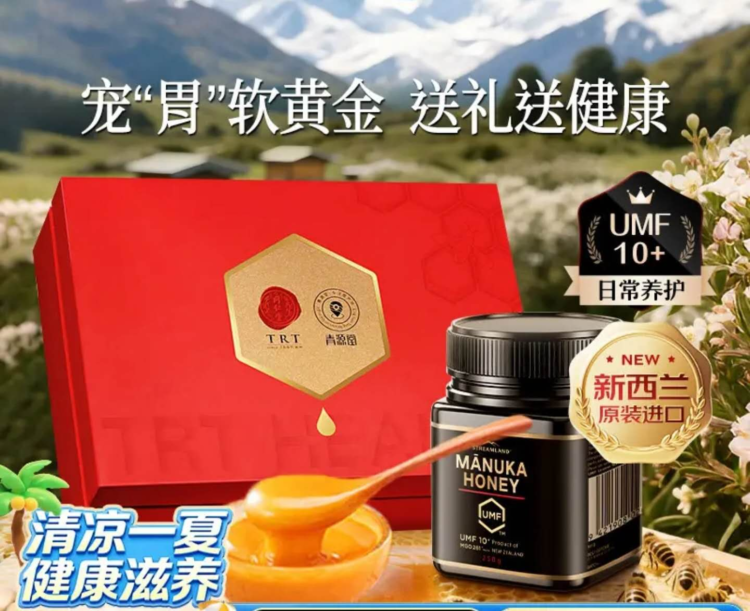
麦卢卡蜂蜜:中国货架上的品类真相
基于京东225个SKU和淘宝148个SKU的搜索数据、七透镜分析框架,以及1,000+条真实买家评论
贸易格局:2025年中国蜂蜜进口总量同比增长12.2%至3,560吨,新西兰仍居首位但对华出口份额从43.2%降至40.3%,澳大利亚对华出口激增184%成为最大竞争变量。
竞争态势:康维他FY26上半年扭亏为盈,但大中华区收入占比已从FY22的约46%降至31.7%。基于京东225个SKU和淘宝148个SKU的扫描,康维他以130个SKU和约54.2%的市场份额绝对主导中国电商货架。
消费者洞察:1,000+条买家评论分析显示,消费者关注的核心议题是功效与礼品属性——主动提及具体UMF等级的评论不足15条。消费场景正从礼品赠送向个人保健转移,自用消费比例已从2019年的约35%提升至2024年的约68%。
THE SHELF | 货架七个透镜的测量结果
1. 品类走向:新西兰品牌占八成以上
| 平台 | NZ品牌占比 | 非NZ品牌占比 | 备注 |
|---|---|---|---|
| 京东 | 80.9% | 19.1% | 21个品牌 |
| 淘宝 | 84.5% | 15.5% | 23个品牌 |
非新西兰品牌中,京东以京东京造(京东自有品牌,8个SKU)、DNZ(9个SKU)和BILI(7个SKU)为主;淘宝以麦利卡(4个SKU)和多个无品牌标识的”澳洲进口”散装卖家为主。
价格带分布显示两个平台的用户画像差异:京东中端(¥200-400)占比最高(35.1%),淘宝低端(¥100-200)占比最高(31.8%)。
| 价格带 | 京东 | 淘宝 |
|---|---|---|
| 入门(<¥100) | 12.0% | 20.3% |
| 低端(¥100-200) | 26.2% | 31.8% |
| 中端(¥200-400) | 35.1% | 26.4% |
| 高端(¥400-700) | 13.8% | 8.8% |
| 超高端(¥700+) | 12.9% | 12.8% |
标度分布上,UMF10+在两个平台均为数量最多的标度(京东59个SKU,淘宝36个SKU),UMF5+次之。MGO标度出现较少(京东8.0%,淘宝5.4%),且MGO 30+等低标度产品不足UMF 5+等价水平。
2. 可读性:UMF主导,但近四分之一淘宝SKU无任何标度
| 平台 | 仅UMF | 仅MGO | 双标 | 均无 |
|---|---|---|---|---|
| 京东(225 SKU) | 85.8% | 0.9% | 7.1% | 6.2% |
| 淘宝(148 SKU) | 70.3% | 2.7% | 2.7% | 24.3% |
UMF在中国电商页面确实占主导——京东超过85%的SKU仅标注UMF。但一个常被忽略的信号是:淘宝上约24%的SKU没有标注任何评级标度(UMF或MGO均无),这些产品只能靠品牌名和价格竞争。MGO仅在蜜纽康等少数品牌中出现,且大多同时标注UMF。双标SKU占比很低(京东7.1%,淘宝2.7%),买家跨标度比价的需求未被满足。
3. 认可度:”新西兰”标签仍有溢价,但平台差异大
| 平台 | NZ品牌均价 | 非NZ品牌均价 | 溢价幅度 |
|---|---|---|---|
| 京东 | ¥366 | ¥334 | +9.8% |
| 淘宝 | ¥312 | ¥255 | +22.8% |
注:均价为券后最低到手价,未控制UMF等级和规格差异,价差可能反映产品组合不同而非纯粹的产地溢价。非NZ品牌样本量较小(京东43个,淘宝23个),均价受个别低价SKU影响较大。文中京造¥0.18/g vs 康维他¥0.25-0.36/g的同等级同规格对比更具参考价值。
4. 拥挤度:康维他一家独大,Top 3占六成以上
| 排名 | 品牌 | 京东SKU数 | 京东占比 | 淘宝SKU数 | 淘宝占比 |
|---|---|---|---|---|---|
| 1 | 康维他 Comvita | 70 | 31.1% | 60 | 40.5% |
| 2 | 蜜兰达 NZGOLDHEALTH | 45 | 20.0% | 24 | 16.2% |
| 3 | 蜜纽康 Manuka Health | 24 | 10.7% | 8 | 5.4% |
| 4 | 沃森父子 Watson & Son | 15 | 6.7% | 10 | 6.8% |
| 5 | 荷塔威 Hakatere Naturals | 9 | 4.0% | 7 | 4.7% |
京东Top 3集中度61.8%,Top 5集中度72.4%;淘宝Top 3集中度62.2%,Top 5集中度73.6%。两个平台的品牌格局高度相似。
5. 定价韧性:淘宝是促销的重灾区
| 平台 | 带促销标签SKU占比 | 临期/清仓SKU占比 | 促销品均价 | 非促销品均价 |
|---|---|---|---|---|
| 京东 | 40.9% | 3.1% | ¥338 | ¥375 |
| 淘宝 | 89.2% | 8.8% | ¥304 | ¥298 |
淘宝近九成SKU带有”超级立减””百亿补贴””直降”等促销标签,临期商品占比(8.8%)接近京东的3倍。京东促销密度(40.9%)显著更低,但3.1%的临期品说明品牌自营渠道也存在库存周转压力。淘宝促销品均价(¥304)略高于非促销品均价(¥298),这是因为89%的SKU都带促销标签,”非促销”样本量小且产品构成不同,不具有可比性。
6. 可搜索度:搜”麦卢卡蜂蜜”,前排全是新西兰牌子
| 平台 | 前20名中NZ品牌占比 | 前10名中官方旗舰店占比 |
|---|---|---|
| 京东 | 90.0% | 100% |
| 淘宝 | 95.0% | 10% |
搜索”麦卢卡蜂蜜”在京东共出现21个品牌,淘宝共23个品牌。前排几乎被新西兰品牌包揽——京东前20名中90%为NZ品牌,淘宝前20名中95%为NZ品牌。但尾部仍有4-5个非新西兰品牌(如京东京造、DNZ、BILI、麦利卡)以”新西兰进口原料”的方式切入,争夺剩余15-19%的货架空间。京东前10名全部为官方旗舰店或京东自营店;淘宝前10名中仅1家为官方旗舰店(天猫国际自营),其余为品牌直销店和第三方卖家。
7. 产品形态:95%以上是瓶装原蜜,衍生品仅润喉糖有规模
| 产品类型 | 京东SKU数 | 淘宝SKU数 | 涉及品牌 |
|---|---|---|---|
| 瓶装/罐装原蜜 | ~215 | ~140 | 全部21-23个品牌 |
| 蜂蜜润喉糖(固体蜂蜜块) | 5 | 4 | 康维他、蜜兰达、沃森父子 |
| 蜂蜜含片 | 0 | 1 | TTHC(非主流) |
| 蜂蜜喷雾(非NZ品牌) | 0 | 1 | 澳洲品牌 |
搜索”麦卢卡蜂蜜”时,衍生产品不足总SKU的5%。唯一形成规模的是康维他的润喉糖系列(UMF10+/15+),京东已售20万+,定位”教师节送礼””办公室护嗓”——客单价低(¥80-109),是比瓶装原蜜更容易拉新的入门产品。康维他官网有售的牙膏、护肤品等衍生品在中国电商上未出现,可能因商品标题不含”麦卢卡蜂蜜”搜索词。
中国货架Top品牌的新西兰背景
| 品牌 | 中国货架排名(京东/淘宝) | 新西兰背景 |
|---|---|---|
| 康维他 Comvita | #1 / #1 | NZX上市,新西兰最大麦卢卡蜂蜜企业 |
| 蜜兰达 NZGOLDHEALTH | #2 / #2 | 新西兰品牌(NZGOLDHEALTH旗下,中国市场品牌名”蜜兰达”) |
| 蜜纽康 Manuka Health | #3 / #4 | 新西兰品牌,据品牌方宣称获UMFHA”全球最大麦卢卡生产商”证书 |
| 沃森父子 Watson & Son | #4 / #3 | 新西兰品牌 |
| 荷塔威 Hakatere Naturals | #5 / #5 | 新西兰品牌(NZ Honey Group旗下) |
| DNZ | #6 / — | 新西兰品牌(天然牧场集团旗下,Daily Nutrition New Zealand) |
| 瑞琪奥兰 Rikoland | #7 / — | 中国品牌(使用新西兰原料,27城200+零售点) |
| 京东京造 | #8 / — | 中国品牌(京东自有品牌,使用新西兰原料) |
| 新溪岛 | — / #6 | 新西兰品牌(New Zealand Honey Co.旗下) |
| TAHI | — / #7 | 新西兰品牌 |
注:”新西兰本土”列的信息来自公开可查来源,未逐一致电品牌方核实。蜜纽康的”全球最大”证书信息来源为品牌方进博会宣传稿,未获独立第三方确认。
THE VOICES | 声音1,000条评论说了什么?
本期采集了康维他、蜜兰达、蜜纽康、沃森父子四个品牌在京东和淘宝上的买家评论,合计1,000余条。其中康维他和蜜兰达在两个平台上的评论覆盖较完整,以下分析以这两个品牌为主体进行对比。以下是基于关键词频次分析的核心发现。
关键词频次矩阵
| 关键词类别 | 康维他 京东 | 蜜兰达 京东 | 康维他 淘宝 | 蜜兰达 淘宝 |
|---|---|---|---|---|
| 功效(胃/肠胃/养胃) | 126 | 133 | 70 | 31 |
| 价格(贵/性价比/降价) | 174 | 126 | 34 | 19 |
| 日期(保质期/新鲜/临期) | 92 | 26 | 17 | 10 |
| 效果感知(有用/没用/智商税) | 52 | 60 | 41 | 8 |
| 包装/礼品(礼盒/送人/破损) | 221 | 195 | 61 | 213 |
| 物流(快递/发货/速度) | 106 | 79 | 48 | 43 |
| 真伪(正品/假货/怀疑) | 30 | 30 | 24 | 1 |
发现一:康维他京东渠道的日期问题是独有硬伤
康维他京东评论中,日期相关关键词出现92次。对比蜜兰达京东评论仅26次日期相关提及,康维他的日期管理问题严重约3.5倍。
“26年竟然买到23年生产的食品,还有一年到期了,质保期只有三分之一了”(京东康维他差评)
发现二:蜜兰达的礼品属性碾压康维他——但京东翻车了
蜜兰达淘宝综合评论中,包装/礼品关键词出现213次,是康维他淘宝(61次)的3.5倍。蜜兰达在淘宝的产品呈现和视觉包装策略极其成功——大量评论的措辞高度相似(”礼盒质感太赞了””送人完全不丢面儿””高级礼盒+定制木勺”),说明其运营方在引导评价话术方面投入了大量精力。
“包装实在太差太差太差太差劲了……瓶都不成样子了”(京东蜜兰达差评)
但这个策略在京东翻车了:京东蜜兰达评论中包装关键词同样高达195次,大量是”礼盒袋子一拉就断””瓶身有灰””漏蜜”等负面反馈。同一条产品线,在两个平台上的包装体验截然不同。
发现三:京东买家对功效的讨论量超过淘宝
康维他京东评论中,功效相关关键词出现126次、效果感知52次;淘宝康维他分别是70次和41次。京东买家对功效的关注度和讨论量实际上高于淘宝,正面功效提及尤为突出。
但功效讨论也有阴暗面:康维他淘宝真伪讨论24次,而蜜兰达淘宝仅1次。高认知度伴随高争议——更多买家在讨论”是不是正品”。
发现四:包装/礼品和价格是两个品牌讨论最多的两大类
在采集到的评论中,包装/礼品是两个品牌提及最多的类别(康维他:221+61=282次;蜜兰达:195+213=408次),其次是价格(康维他:174+34=208次;蜜兰达:126+19=145次)。康维他的独有痛点是日期/新鲜度(仅京东就92次),蜜兰达的显著特征是礼品相关讨论的巨大体量(两个平台合计408次)。
发现五:UMF等级?消费者几乎不提
在1,000条评论中,主动提及具体UMF等级的评论不足15条。绝大多数买家购买时关注的是品牌、价格和规格(500g还是250g),而不是UMF 5+和UMF 15+之间的差异。对于以UMF标度为核心价值主张的新西兰品牌来说,这是一个值得警醒的信号:你引以为傲的技术指标,消费者其实并不在意。
其他品牌的评论速写
蜜纽康(Manuka Health)和沃森父子(Watson & Son)在淘宝上的评论也呈现出鲜明的差异化特征。
蜜纽康买家最关心的是价格(提及率15.2%)和功效(13.8%)。价格话题中,”贵”出现17次,是所有品牌中最频繁的,多条评论抱怨降价太快(”买了没几天就降价60多块”)。功效方面,蜜纽康拥有大量10年以上老用户,幽门螺旋杆菌转阴的真实案例分享是口碑传播的重要元素。但蜜纽康也面临独特的信任危机:有买家指控”真假混卖”,另有买家质疑PET塑料瓶材质的安全性。
沃森父子则呈现出完全不同的画像——功效话题绝对主导(23.6%),远高于其他所有类别,且买家描述极为具体(”胃疼10分钟就不疼了””坚持喝三个月,慢性胃炎发作频率降低”)。口感描述的细腻程度远超其他品牌(”焦糖混合药草香””天鹅绒般的质地”),与商家反复强调的”Pure Flow专利乳化技术”形成呼应。多条评论主动与康维他做对比且正面(”康维他15+吃了没啥效果”)。真伪疑虑极少(2.2%),品牌信任度在四个品牌中最高。
两个品牌,两套打法,两个陷阱
1,000条评论数据让”两个货架两种规则”的结论更具体了——不仅是两个平台的差异,还有两个头部品牌在同一个品类里走了完全不同的路,而两条路各自踩了不同的坑。
康维他的陷阱:规模反噬体验
康维他在中国投放了最多的SKU(京东70个,淘宝60个),拥有最高的品牌认知度,也收获了最多的评论讨论。但1,000条评论揭示了一个悖论:规模越大,体验控制的难度越高。
京东自营渠道是重灾区。康维他京东评论中日期相关关键词出现92次,说明产品本身没问题,但对收到的货品新鲜度不满。差评中更直白:”26年竟然买到23年生产的食品””颜色是浅黄色,比之前的淡””京东买的口感最甜,甜的嗓子疼”。多条差评提到与澳洲/新西兰本地购买的产品做对比后感到差异,真假质疑声量在淘宝有24次。
价格波动是另一个痛点。”昨天刚买完今天就降价””第一次给差评,以前400多买的全是呈咖啡色,618买的……颜色是浅黄色”。康维他的频繁促销在拉新和清库存的同时,伤害了已购用户的信任。
蜜兰达的陷阱:礼品泡沫
蜜兰达走了一条完全不同的路——礼品驱动。淘宝213次包装/礼品关键词讨论(康维他仅61次),大量评论的措辞高度相似且充满情绪:”质感太赞了””完全不丢面儿””高级礼盒+定制木勺”。
但这个策略有一个脆弱的底座。京东蜜兰达评论中包装关键词高达195次——”袋子一拉就断””瓶身有灰””漏蜜”等负面反馈大量存在。同一条产品线在两个平台的包装体验差距巨大,说明蜜兰达的包装标准在京东渠道没有执行到位。
更深层的风险在于:当礼品属性过强时,产品本身的价值会被稀释。京东蜜兰达评论中价格相关关键词126次、效果感知60次,差评中”吃了两瓶,一点效果都没见着””感觉交了智商税”。买家买了包装,但最终要面对的是瓶子里那罐蜜值不值这个价。
对新西兰品牌的三个启示
第一,京东的仓储和包装是品控试金石。康维他和蜜兰达在京东渠道都出现了严重的包装/日期问题,但原因可能不同——康维他是SKU多、库存周转慢导致的日期陈旧;蜜兰达是礼盒包装在京东物流中容易受损。无论哪种原因,一个新西兰品牌如果只管生产不管渠道体验,在中国的差评会很快追上你。
第二,UMF标度在中国消费者心中的权重被高估了。1,000条评论中主动提及UMF等级的不足15条。消费者选的是品牌(”康维他最值得信任”),不是标度(”UMF15+比UMF5+好”)。这意味着,一个没有康维他那么强品牌力的新进入者,不能指望靠UMF数字讲故事——你需要另一个差异化维度。
第三,礼品场景和自用场景需要完全不同的运营。蜜兰达在淘宝的礼品策略很成功(213次包装讨论),但京东的负面反馈说明礼品包装在自营渠道没有做好。如果同时做两个平台、两个场景,运营成本会翻倍。
三个值得自问的问题:
1. 你的品牌是走康维他的”全渠道高认知”路线,还是蜜兰达的”礼品驱动”路线?
2. 如果UMF标度消费者并不在意,你的品牌故事还能讲什么?
3. 当你的京东差评里有30%在说”包装破损”,你的天猫好评率还有意义吗?
数据核查方法
本报告对每个数据点进行了独立网络搜索验证。标注”已验证”的数据通过公开可访问的权威来源独立确认;标注”部分验证”的数据方向可信,但来源为付费报告、行业估算、二手转述或品牌方宣称;标注”未验证”的数据未能找到可独立确认的原始来源。
数据口径说明
对存在多口径的数据(如市场规模),采用并列呈现加口径说明方式。
免责声明
本报告由MiDeer Observer(MiDeer Limited旗下出版物)基于公开可得信息编制,仅供一般参考,不构成投资、法律或商业决策建议。报告中标注”部分验证”或”未验证”的内容请结合验证状态审慎使用。MiDeer Limited不对因使用本报告内容而产生的任何直接或间接损失承担责任。转载或引用请注明出处。
MiDeer Limited自2001年起为新西兰企业提供中国市场进入咨询。如果您想了解自己的产品品类在中国货架上的真实面貌,想知道自己的产品进入中国市场的最佳策略,可与我们联系。首次咨询免费。联系方式:[email protected] | mideer.com
Disclaimer: This article is compiled from publicly available sources for general information only. The analysis and commentary are editorial opinions. MiDeer Observer does not guarantee the accuracy or completeness of the information provided. Readers should seek independent professional advice before relying on this content, or contact us for more information.
免责声明:本文基于公开信息编译,仅供一般性参考。文中分析与评论为编辑观点。MiDeer Observer 不对所提供信息的准确性或完整性作出保证。读者在依赖本文内容前,应寻求独立专业意见,或联系我们获取更多信息。