Summary
Zespri chief executive Jason Te Brake led a New Zealand kiwifruit industry delegation to the Guoxunmeng kiwifruit planting base in Zhuangxi Town, Chengdu Eastern New Area, to inspect packaging, storage and quality control systems. The delegation was accompanied by Zhuangxi Town Communist Party secretary Li Fuqiang, deputy mayor Xu Liyan and company executives Tang Hui and Zou Dayong. The delegation toured the sorting workshop and cold storage centre, checking the operation of the fully automated intelligent sorting line and packaging standards, verifying batch records, testing data and product flow information item by item, and reviewing temperature control management and capacity scheduling at the smart variable-temperature cold storage facility.
Li said the town's kiwifruit planting area has reached more than 200 mu, following a model of 'village collective economy + enterprise + farmers'. Zou drew on Guoxunmeng's operating experience across nine bases in Chengdu and surrounding areas to discuss sorting efficiency and cold chain logistics connectivity with the New Zealand visitors. The two sides exchanged views on packaging standardisation, storage temperature control precision and full-process quality traceability.
Guoxunmeng's red-fleshed kiwifruit has been exported to Southeast Asia, Central Asia, Russia and Canada. Zhuangxi Town said it will deepen engagement on key areas including sample testing, standards benchmarking and trial planting evaluation.
Commentary
Zespri's visit to a Chinese domestic kiwifruit base reflects the complex landscape of competition and cooperation in the global kiwifruit industry. As the world's largest kiwifruit marketer, Zespri generates annual sales of more than NZ$4 billion, and its SunGold variety dominates China's premium market. However, Chinese domestic red-fleshed kiwifruit, leveraging differentiated varieties and cost advantages, is accelerating its push into emerging markets in Southeast Asia and Central Asia, posing a potential challenge to Zespri.
For NZ small and medium-sized enterprises, the development carries a dual message: on one hand, growth in Chinese kiwifruit exports could squeeze New Zealand's share in some markets, making it important to watch the acceptance of red-fleshed varieties in Asia; on the other hand, Zespri's visit may open a window for technical cooperation and supply chain optimisation, such as aligning cold chain standards and jointly building quality traceability systems. Although Zhuangxi Town's planting scale of just over 200 mu is small, its 'village collective economy + enterprise + farmers' model and the operating experience of nine bases demonstrate the organisational capacity and efficiency gains of China's kiwifruit industry. NZ companies should assess the price competitiveness of Chinese kiwifruit in export markets while exploring cooperation possibilities in areas such as variety licensing and post-harvest handling technology.
Zespri's visit is not only a quality audit but possibly a signal of its intent to respond to local Chinese competition and seek localised supply chain arrangements.
Keywords: Zespri, kiwifruit, Zhuangxi Town, Guoxunmeng, Jason Te Brake, quality control, cold chain logistics, exports, Chengdu Eastern New Area
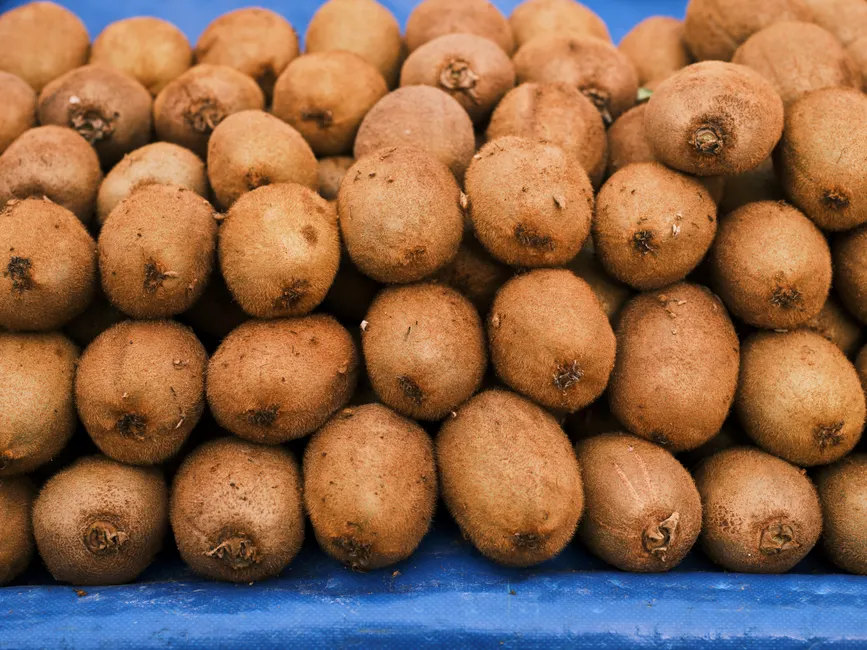
Photo by Engin Akyurt on Pexels
Disclaimer: This article is compiled from publicly available sources for general information only. The analysis and commentary are editorial opinions. MiDeer Observer does not guarantee the accuracy or completeness of the information provided. Readers should seek independent professional advice before relying on this content, or contact us for more information.