Summary
Massey University is moving from a period of austerity into growth and plans to position itself as New Zealand's most applied and connected tertiary institution — and as the primary sector's university partner — as it approaches its centenary next year, Vice-Chancellor Pierre Venter said. Venter told Rural News that over the past 100 years Massey has made a significant contribution to New Zealand's primary sector by developing talent, conducting research and building partnerships with industry. The university will revitalise its three campuses, improve the student experience and keep pace with emerging technologies to support the primary sector and focus on value creation, he said.
A good university partner should support the entire value chain rather than just one part of it, because all parts of the chain are interconnected, and Massey is well placed to be the primary sector's university partner, he said. He advocated replacing "fork to farm" with "farm to fork", arguing that New Zealand's primary sector should be market-led rather than consumer-led, citing global demand trends for high-quality protein as an example. Venter said Massey graduates are found throughout the primary sector value chain, the university invests heavily in on-farm training, soil, pasture and animal research, and it enjoys a global reputation in agriculture and horticulture; in food processing, Massey has made a substantial contribution to the design of meat and dairy processing plants around New Zealand.
Massey is also home to the globally renowned Riddet Institute, which has an international reputation in food science, and the School of Veterinary Science, which provides veterinary talent for meat and dairy exports; its School of Aviation has trained many pilots who transport export products to markets, the business school at the Albany campus (particularly its MBA programme) helps companies build business models for entering different markets, and the College of Creative Arts produces industrial design graduates who contribute to the development of marketing materials.
Commentary
Massey University's new strategy positions it as the university partner of New Zealand's primary sector, with an emphasis on supporting the entire farm-to-fork value chain. The move has far-reaching implications for an economy that relies on primary sector exports. About 80% of New Zealand's electricity comes from renewable sources, but the primary sector accounts for around 7% of GDP and directly employs more than 150,000 people, while dairy, meat, forestry and horticultural products together make up about 60% of merchandise exports.
Massey has a global reputation in agriculture and food science, its Riddet Institute is a leading food science institution, and its veterinary school provides critical talent for meat and dairy exports. For New Zealand's small and medium-sized business owners, Massey's transformation means closer industry-university collaboration and potentially more practical technology transfer and talent supply. In food processing, for example, processing plants designed with Massey's involvement have a distinctly New Zealand character, and SMEs can draw on its research capabilities to add value to products and develop differentiated products that align with global high-protein trends.
At the same time, Massey's emphasis on being market-led rather than consumer-led is a reminder that businesses should focus on long-term trends rather than short-term consumer preferences, such as growing global demand for high-quality protein. However, some argue that a university focusing too heavily on the primary sector may neglect innovation in other fields, and that challenges remain for SMEs seeking to effectively access university resources. Massey's School of Aviation, which trains pilots, and its MBA programme also support export logistics and business model innovation, and SMEs can look for opportunities to work with the university, such as joint research and development and student internship programmes.
As its centenary approaches, Massey's revitalisation plan could inject new vitality into New Zealand's primary sector, but the actual results will depend on how well university-industry collaboration is implemented.
Keywords: Massey University, primary sector, Pierre Venter, value chain, centenary, agricultural research, Riddet Institute, School of Veterinary Science, market-led, food technology
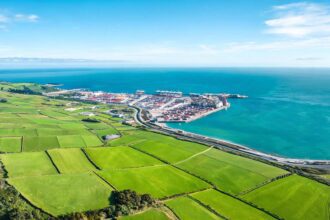
Photo by holgerheinze0 on Pixabay
Source: Rural News Group
Disclaimer: This article is compiled from publicly available sources for general information only. The analysis and commentary are editorial opinions. MiDeer Observer does not guarantee the accuracy or completeness of the information provided. Readers should seek independent professional advice before relying on this content, or contact us for more information.