Summary
Zhejiang is using yellow-fleshed kiwifruit as a breakthrough to compete with New Zealand's Zespri in the premium fruit market. Zheng Huanping, a large-scale grower in Pan'an, Jinhua, rated the local new variety 'Jinli' as 'on par with Zespri G3' from New Zealand. He is working with Zhang Huiqin, a researcher at the Zhejiang Academy of Agricultural Sciences, to breed yellow-fleshed kiwifruit that can match imported quality.
Zhang said that of China's 52 Actinidia species, Zhejiang has 12, with abundant yellow-fleshed germplasm resources. Her breeding goal is to develop Zhejiang yellow-fleshed varieties that are better adapted to Zhejiang's climate and easier to cultivate, among which 'Jinyi' and 'Jinli' both have soluble solids content (sweetness) of around 24°. The article notes that China has the world's largest kiwifruit planting area and the highest annual output.
According to the Kiwifruit Branch of the Chinese Society for Horticultural Science, in 2025 the planting area reached 289,540 hectares (about 4.2271 million mu), with output of 4.0286 million tonnes. However, China has long been among the top three global importers of kiwifruit by volume and the largest by value, with more than 99% of imported kiwifruit coming from New Zealand. The industry faces a structural contradiction of excess mid-to-low-end capacity and insufficient high-end supply.
Yellow-fleshed varieties belong to the 'Actinidia chinensis' species and are sweeter than the green-fleshed 'Actinidia deliciosa', and are becoming synonymous with premium quality.
Commentary
China's kiwifruit industry has long been in the awkward position of being 'big but not strong': it ranks first globally in both planting area and output, yet is also the world's largest importer, with more than 99% of imports coming from New Zealand's Zespri. Zhejiang is entering the premium market with yellow-fleshed varieties in an attempt to break this pattern. For New Zealand SME owners, this is both a warning and an opportunity.
Zespri's success is built on strict quality control, brand marketing and a year-round supply system, and domestic premiumisation will find it hard to challenge its position in the short term. But in the long run, Chinese local brands have advantages in cost, freshness and local channels, and may gradually erode market share in the mid-to-high-end segment. NZ kiwifruit exporters need to watch China's consumption polarisation trend: first-tier cities remain loyal to imported premium fruit, but second- and third-tier cities are increasingly accepting high-quality domestic fruit with good value for money.
In addition, China's strengthening of domestic breeding and cultivation technology may reduce its dependence on imported seedlings and technology, affecting NZ's related technology export business. NZ companies could consider cooperating with Chinese growers, providing post-harvest handling, cold chain and brand management expertise, or shifting to differentiated varieties (such as red-fleshed and kiwiberry) and deep-processed products to avoid direct price competition. The upgrading of China's kiwifruit industry will reshape the global supply chain, and NZ needs to reassess its positioning and strategy in the Chinese market.
Keywords: kiwifruit, yellow-fleshed kiwifruit, Zespri, Zhang Huiqin, Jinli, premium fruit, import dependence, Zhejiang agriculture
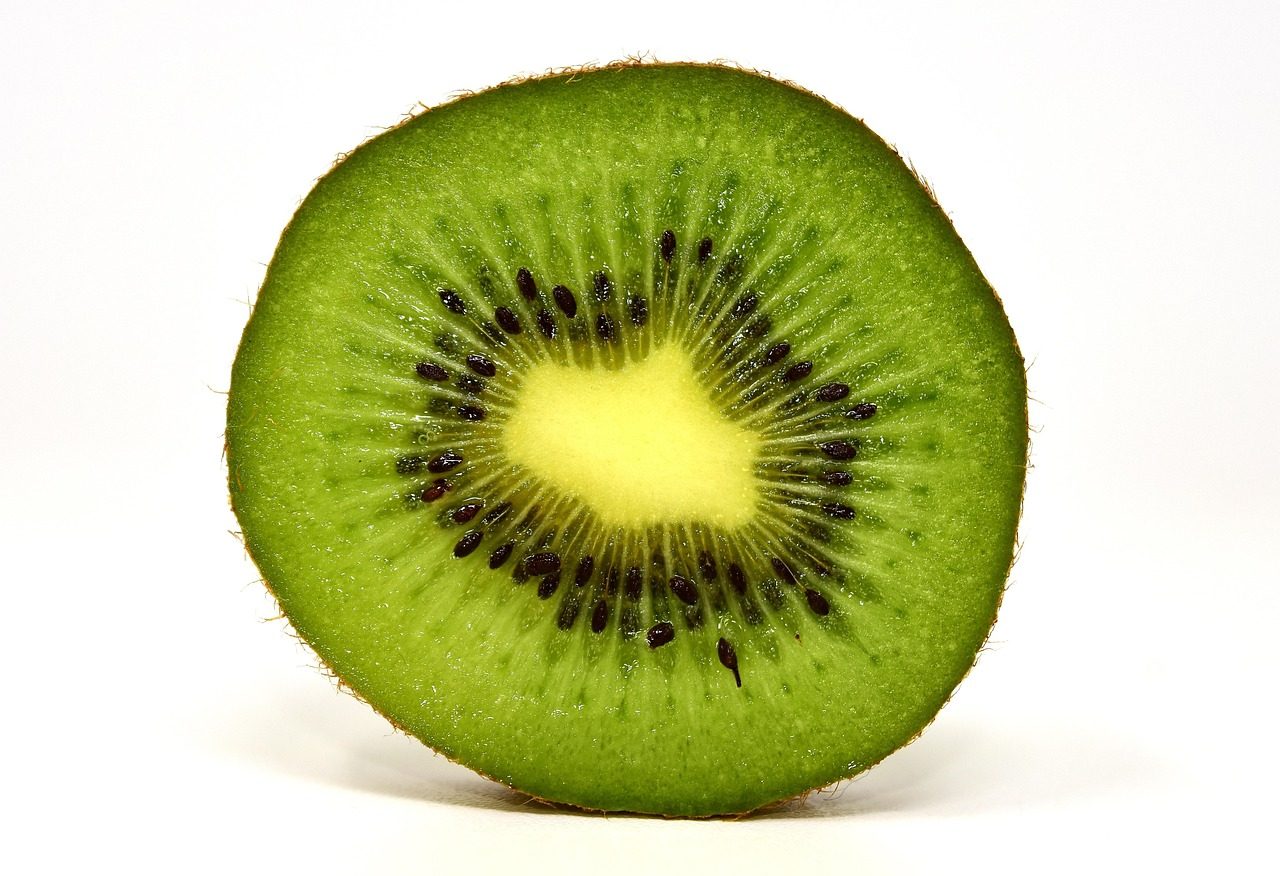
Photo by Alexas_Fotos on Pixabay
Source: Tide News
Disclaimer: This article is compiled from publicly available sources for general information only. The analysis and commentary are editorial opinions. MiDeer Observer does not guarantee the accuracy or completeness of the information provided. Readers should seek independent professional advice before relying on this content, or contact us for more information.