Summary
From the first New Zealand dairy delegation to China in 1973 to Zespri's Greater China exports exceeding NZ$1 billion in 2022, New Zealand companies are shifting from pure trade to joint research and local manufacturing. Fonterra, owned by 8,300 farmers, regards China as its largest and most important strategic market. Its Greater China business supports more than 600 jobs, including 300 at its Shanghai headquarters, and operates five application centres, one innovation centre and two joint ventures in China.
Its strategic customers include Pizza Hut, KFC, McDonald's, Starbucks and Domino's, which together have more than 25,000 stores in China and open about 4,000 new stores each year. In April 2023, Fonterra opened its fifth application centre in Shenzhen, focused on beverage applications. When Zespri opened its mainland China office in Shanghai in 2008, China accounted for only 3 percent of its exports; today it accounts for more than 25 percent of its total business.
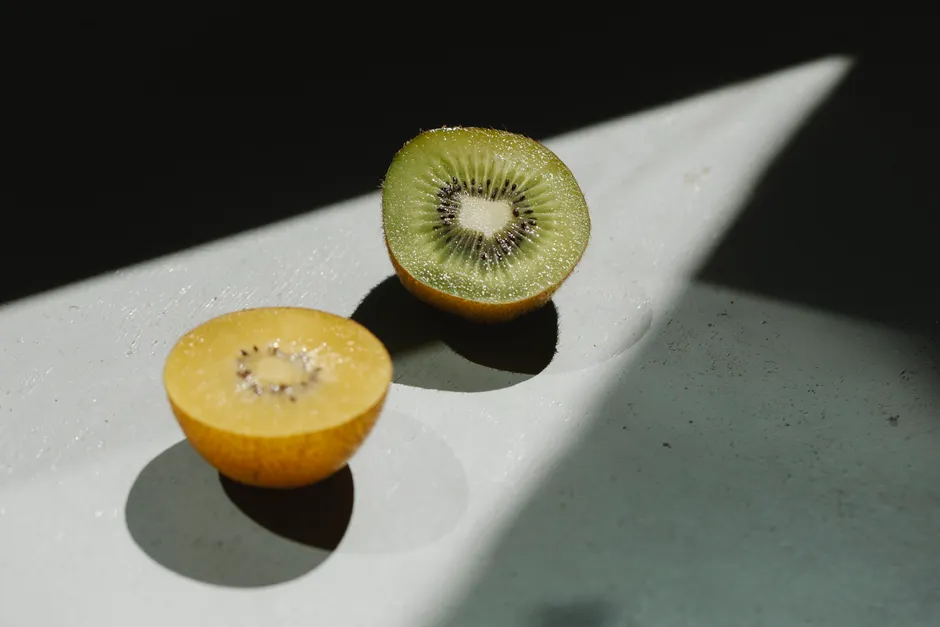
In 2022, exports to Greater China reached NZ$1 billion, with total production of 130,000 tonnes, of which mainland China accounted for about 100,000 tonnes, 85 percent of which was the SunGold variety. In 2021, Zespri was recognised as an Advanced Certified Enterprise by China Customs, and in 2023 it launched a new cold-chain service to Dongguan Shatian Port, cutting delivery time to 11 days. Fisher & Paykel Healthcare reported operating revenue of NZ$1.58 billion and a market capitalisation of NZ$14.1 billion in FY2023.
It established a wholly owned subsidiary in Guangzhou in 2006 and in 2022 built its third global manufacturing base in the Sino-Singapore Guangzhou Knowledge City. Comvita opened its first sales point in 2004 and now has more than 400 sales points in Greater China. Alpha Group supported 30 surrounding villages and 4,610 farming households in 2015, purchasing 15,000 tonnes of raw materials with a direct monetary value of RMB260 million.
Silver Fern Farms established a partnership with Shanghai Maling Aquarius in 2016, and during peak season operates 14 processing plants with more than 6,000 employees, connecting a network of more than 16,000 farmer suppliers.
Commentary
New Zealand companies are deepening their presence in China, moving from pure trade to joint research and local manufacturing, a trend with important implications for local SME owners. As New Zealand's largest co-operative, Fonterra's Greater China business contributes more than 600 jobs and operates five application centres, one innovation centre and two joint ventures in China. Its strategic customers include Pizza Hut, KFC, McDonald's, Starbucks and Domino's, which together have more than 25,000 stores in China and open about 4,000 new stores each year.
Through localised innovation, such as the Chengdu application centre, which hosts about 30 product demonstrations a year for customers in the southwest region, and the Shenzhen application centre focused on beverages, Fonterra has successfully captured growth opportunities in China's food service and tea beverage markets. Zespri's case is also noteworthy: when it entered China in 2008, China accounted for only 3 percent of its exports; today it accounts for more than 25 percent, with exports to Greater China reaching NZ$1 billion in 2022, 85 percent of which was the SunGold variety. Zespri has built a local ecosystem with Chinese distribution partners Joy Wing Mau and Goodfarmer, and retail partners Pagoda and Sam's Club, and has used its Advanced Certified Enterprise status and the new cold-chain service to Dongguan Shatian Port to cut delivery time to 11 days, achieving a significant improvement in supply chain efficiency.
Fisher & Paykel Healthcare demonstrates a localisation path for high-end manufacturing, establishing its third global manufacturing base in the Sino-Singapore Guangzhou Knowledge City in 2022 and integrating into the dual circulation framework through a localisation strategy. For New Zealand SMEs, these cases show that the Chinese market offers not only scale but also a complete industrial chain and a continuously improving business environment. However, challenges remain: Chinese domestic brands are becoming increasingly competitive in dairy, fruit and medical equipment, and New Zealand companies need to continue investing in innovation and localisation to maintain their edge.
For example, Fonterra works with local chefs at its application centres to develop new products, while Zespri competes through variety optimisation and supply chain efficiency. SME owners should watch for niche opportunities in the Chinese market, such as consumption upgrading in tier-2 and tier-3 cities and growing demand for health foods and medical equipment, and consider partnering with local players to reduce market entry risks. At the same time, New Zealand companies need to guard against over-reliance on the Chinese market and diversify their market presence to spread risk.
Against the industry backdrop, dairy, fruit and meat are important components of New Zealand's exports to China, and the upgraded China-New Zealand free trade agreement has further reduced tariffs, providing more opportunities for SMEs. But the competitive landscape is also changing, with competitors such as Australia regaining market share in China. New Zealand companies should therefore accelerate efforts to build differentiated advantages in niche areas such as organic, grass-fed and functional foods.
The success of Fonterra and Zespri is no accident; both point to one fact: deepening engagement in China requires shifting from 'selling products' to 'building ecosystems', and exporting local innovation back to the world. For New Zealand SME owners, understanding this logic and developing corresponding strategies will be key to their development in China over the next decade.
Keywords: New Zealand investment in China, Fonterra, Zespri, Fisher & Paykel Healthcare, local manufacturing, application centres, Silver Fern Farms, Alpha Group, industrial chain support
Source: Three Cobblers Report
Disclaimer: This article is compiled from publicly available sources for general information only. The analysis and commentary are editorial opinions. MiDeer Observer does not guarantee the accuracy or completeness of the information provided. Readers should seek independent professional advice before relying on this content, or contact us for more information.