Summary
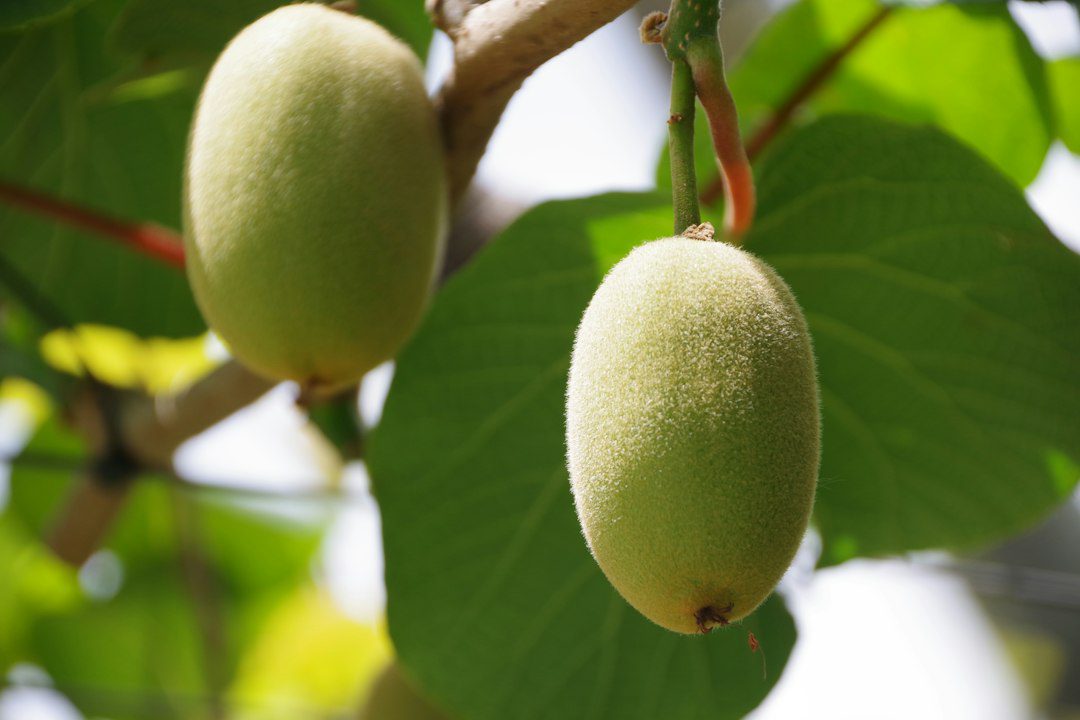
Zespri SunGold (G3) kiwifruit commands a high per-fruit price on supermarket shelves, with its value derived from a complete cost structure spanning variety development to cold-chain transport. Since Zespri was established in 1997, it has built a kiwifruit research and development system. SunGold was launched in 2012, and investment in proprietary varieties is recovered gradually through sales.
On the growing side, all Zespri New Zealand orchards are GLOBALG. A. P.
certified and have developed a customised version, Zespri GAP. Each grower undergoes a full audit once a year covering about 190 standards. Independent certification body AsureQuality conducts about 30 to 45 independent surveillance audits annually.
Growers have 28 days to rectify non-conformities; orchards that fail to do so are prohibited from exporting their produce. On pesticide residues, Zespri has a dedicated Crop Protection Standard, with extensive testing by independent laboratories. All products are non-GMO.
In the post-harvest segment, Zespri gold kiwifruit sold in the Chinese market is CLASS1 grade. Packing facilities must be GFSI certified and manage risk using HACCP principles. Products are graded by weight from SIZE16 to SIZE36, and a full-chain traceability system is in place.
In the supply chain, Zespri's main production base is New Zealand, with products sold to more than 50 countries and regions worldwide. End-to-end cold chain is essential. In 2024, Zespri sold more than 1.5 billion fruit in the Chinese market, reaching over 30 million households.
Commentary
The high price of Zespri SunGold does not stem solely from brand premium but from a complete cost structure running through variety development, grower certification, post-harvest grading and cold-chain logistics. As one of New Zealand's most globally recognisable agricultural brands, Zespri's business model offers a reference for local small and medium-sized enterprises: its investment in variety development is recovered gradually through global sales, while strict GLOBALG. A.
P. and Zespri GAP certification systems, independent audits and pesticide residue testing constitute the compliance threshold for entering high-end markets. In 2024, Zespri sold more than 1.5 billion fruit in China, reaching 30 million households.
Behind this scale are rigid expenditures on end-to-end cold chain and full-chain traceability. For New Zealand SME owners, the Zespri case reveals the competitive logic of agricultural exports: quality control and supply chain capability are the core of pricing power, not simply a country-of-origin label. At the same time, consumption upgrading in the Chinese market provides room for high value-added agricultural products, but companies need to assess the payback period for certification and cold-chain investment.
Zespri's CLASS1 grading and weight standards mean a large number of fruit are screened out, and this loss cost is ultimately borne by the retail price. SMEs seeking to emulate the model need to calculate carefully. From an industry structure perspective, Zespri, as a single export marketing body, relies on economies of scale and a global distribution network.
Small and medium-sized growers participate through cooperatives but have limited bargaining power. Looking ahead, as the quality of China's domestic kiwifruit improves and supply from South America increases, Zespri will need to keep investing in variety iteration and brand building to maintain its premium.
Keywords: Zespri, SunGold, kiwifruit, GLOBALG.A.P. certification, cold-chain transport, variety development, CLASS1 grade, weight grading
Source: The Beijing News
Disclaimer: This article is compiled from publicly available sources for general information only. The analysis and commentary are editorial opinions. MiDeer Observer does not guarantee the accuracy or completeness of the information provided. Readers should seek independent professional advice before relying on this content, or contact us for more information.