Summary
Sam's Club customers were notified by text message on 21 October that four batches of Good Health oyster extract capsules already sold would be recalled, with full refunds issued directly and no product return required. The recall followed a customs sampling inspection that returned abnormal test results for the imported product, Sam's Club customer service said on 22 October. A risk notice issued by the General Administration of Customs on 10 October said customs had detected a contaminant in the product sold by multiple cross-border e-commerce platform companies during food safety risk monitoring of cross-border e-commerce retail imports, involving nine batches sold across several e-commerce platforms.
The official '新西兰好健康GoodHealth' account published a recall announcement on 14 October, saying the brand would recall nine batches and take four measures: stopping sales, sealing inventory, notifying sales channels and investigating the manufacturer.Good Health official customer service said the contaminant detected by customs was not a heavy metal or an external contaminant, but a naturally occurring background substance found in marine organisms, and would have no impact on health.The product met New Zealand food safety standards, but food safety standards applicable to cross-border goods differ from domestic standards.
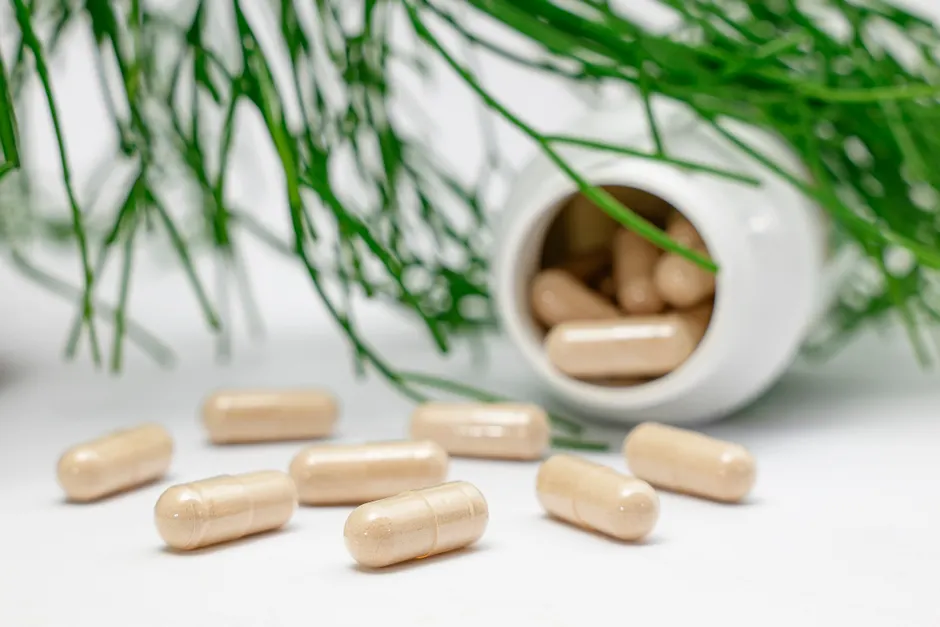
The product concerned is 'Good Health Oyster Extract Capsules 60-capsule pack (New Zealand version)', with affected batches F36C, G76E, E96B and G66E, previously sold at Sam's Club for RMB 85.9. The brand's announcement said Niu Good Health Nutrition (Nanjing) Co. , Ltd, as the domestic responsible entity for cross-border e-commerce retail imports of the product, together with the overseas manufacturer GoodHealth Products Limited (New Zealand), had decided to carry out a voluntary recall in China's cross-border e-commerce retail import channel for the batches listed in the consumer notice.
A reporter searching the Sam's Club app on 22 October found no results for the product. Consumers who bought affected batches can obtain a full refund through the original purchase channel. The company is co-operating with Chinese customs and New Zealand authorities on the matter, and further announcements will follow.
Commentary
New Zealand health supplements have long enjoyed a 'pure and natural' reputation in the Chinese market. Good Health, a well-known local brand, has sold its oyster extract capsules strongly through premium channels such as Sam's Club, reflecting strong Chinese consumer demand for marine-sourced supplements. The customs detection of a contaminant and the resulting recall appear on the surface to be a standards-difference issue: the brand stresses that the substance is a naturally occurring background component of marine organisms and meets New Zealand standards, but it does not meet China's cross-border e-commerce food safety standards.
This exposes the complexity of cross-border supplement compliance: New Zealand's Ministry for Primary Industries (MPI) regulates dietary supplements with an emphasis on risk management and post-market monitoring, while China Customs applies stricter contaminant limit requirements to cross-border e-commerce retail imported foods. For NZ SMEs that rely on the Chinese market, a standards difference in a single market can quickly turn into commercial risk. From a supply chain perspective, the affected product involves nine batches sold across multiple e-commerce platforms, and the recall is broad in scope.
The brand must bear the costs of refunds, inventory sealing and channel communication, which will hit short-term cash flow and brand trust. In the longer term, however, a voluntary recall and co-operation with regulators in both countries may actually reinforce its image as a responsible brand. It is worth noting that China's cross-border e-commerce supplement market is growing at more than 20 percent a year, and New Zealand brands have secured a place on the strength of natural ingredients.
But competition is intensifying, and Australian brands such as Swisse and Blackmores have already captured share through localised production and compliance teams. NZ SMEs that rely only on a country-of-origin label and ignore changing standards in the target market will face similar risks. Exporters should build a dual-track compliance system: meeting MPI requirements while actively benchmarking against China's GB standards or the cross-border e-commerce positive list, particularly by conducting early self-inspection on indicators such as heavy metals, microorganisms and natural toxins.
The case is also a warning to other New Zealand supplement companies: before entering the Chinese market, they should work closely with their domestic responsible entities in China and track customs risk monitoring developments in real time to avoid passive recalls caused by standards differences.
Keywords: Good Health, oyster extract capsules, recall, customs risk notice, Sam's Club, cross-border e-commerce, contaminant, food safety standards, full refund, New Zealand
Source: China.com
Disclaimer: This article is compiled from publicly available sources for general information only. The analysis and commentary are editorial opinions. MiDeer Observer does not guarantee the accuracy or completeness of the information provided. Readers should seek independent professional advice before relying on this content, or contact us for more information.