Summary
WoolWorks, New Zealand's largest wool scouring plant, has resumed operations more than a year after it was flooded to a depth of about 2 metres during Cyclone Gabrielle in 2023. Located at Awatoto, south of Napier, the plant processes about 165,000 kilograms of wool a day — the equivalent of the fleece from roughly 50,000 sheep — capacity that is critical for the agricultural sector during the North Island's peak shearing season from December to March. The plant uses a new German wool press capable of 600 tonnes of pressure to pack greasy wool into containers for shipment to manufacturers worldwide.
WoolWorks chief executive Rosstan Mazey said that over the past year New Zealand's greasy wool exports have gone mainly to China, but Chinese demand for New Zealand greasy wool has begun to ease in recent months, with renewed interest emerging in scoured wool markets such as Europe and India. Industry leaders hope a free trade agreement with India will strengthen links with Indian manufacturers and lift demand for New Zealand wool. About 85 percent of the plant's scoured wool is sold to China, India, the United States and Europe for use in carpets, bedding and building materials, with about 15 percent retained in New Zealand.
Group assurance manager Tony Cunningham said the rebuild included rewiring the entire plant, installing new electronic monitoring equipment and having engineers repair damaged machinery. He said maintaining wool scouring capacity in New Zealand is vital even though some companies have shipped greasy wool offshore, noting that most Australian wool is now scoured in China. The plant also faces high energy costs and a declining sheep flock.
Commentary
New Zealand's wool scouring industry has shown resilience in rebuilding after the cyclone, and WoolWorks' return to operations is critical for the North Island shearing season. The plant's daily throughput of 165,000 kilograms, with about 85 percent exported to China, India, the United States and Europe, underscores the sector's reliance on international markets. Chinese demand has softened recently, but renewed interest from Europe and India offers an opportunity to diversify exports.
A free trade agreement with India, if concluded, could lower tariffs and boost exports to India, though India's protectionist tendencies bear watching. New Zealand's small and medium-sized enterprises should seize demand for sustainable wool in high-end European markets while watching how lower Chinese imports of greasy wool affect scouring capacity utilisation. Most Australian wool is scoured in China; retaining domestic scouring capacity helps New Zealand keep its supply chain controllable and its quality brand intact.
High energy costs and a shrinking sheep flock are long-term challenges that will require firms to improve competitiveness through energy-saving technology and product innovation.
Keywords: WoolWorks, wool scouring, Cyclone Gabrielle, greasy wool exports, Chinese demand, India free trade agreement, Rosstan Mazey, Tony Cunningham, wool press, New Zealand wool
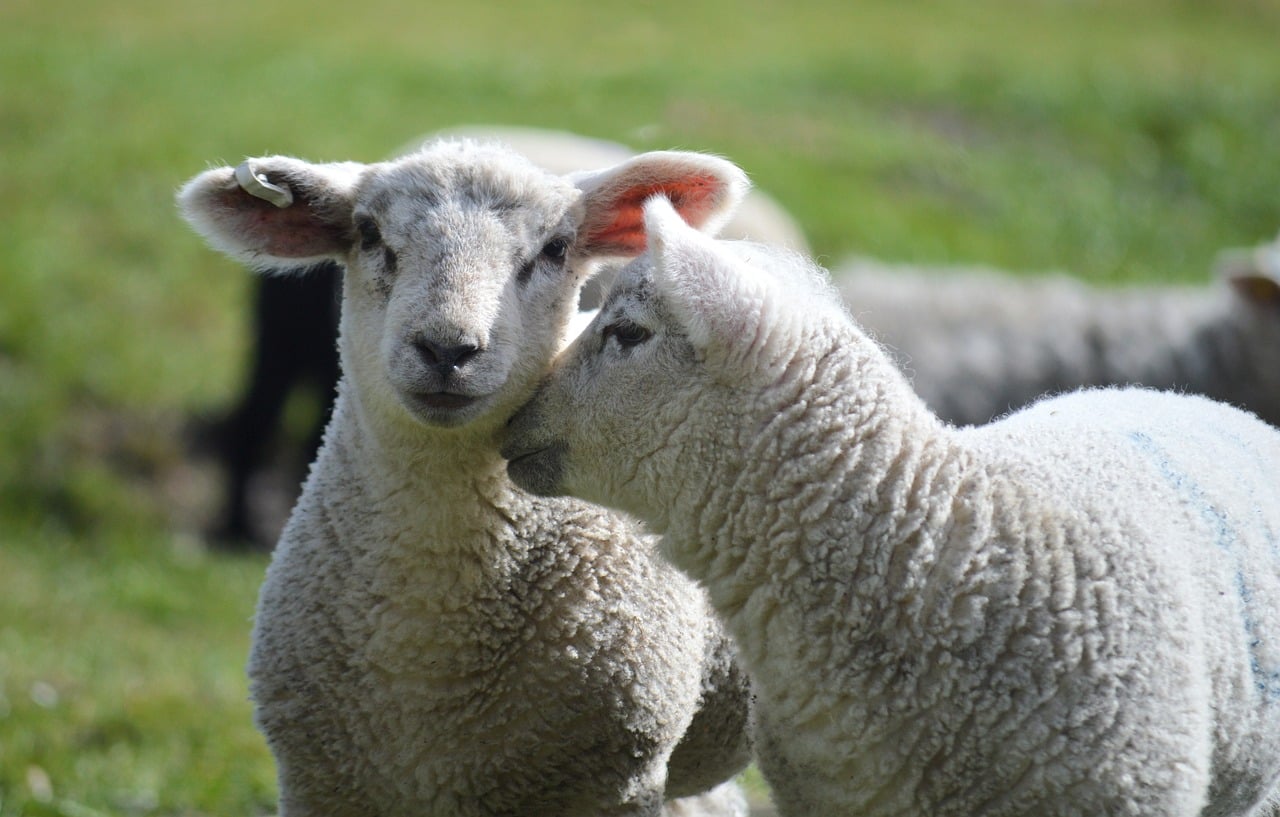
Photo by neelam279 on Pixabay
Source: New Zealand Herald
Disclaimer: This article is compiled from publicly available sources for general information only. The analysis and commentary are editorial opinions. MiDeer Observer does not guarantee the accuracy or completeness of the information provided. Readers should seek independent professional advice before relying on this content, or contact us for more information.