Summary
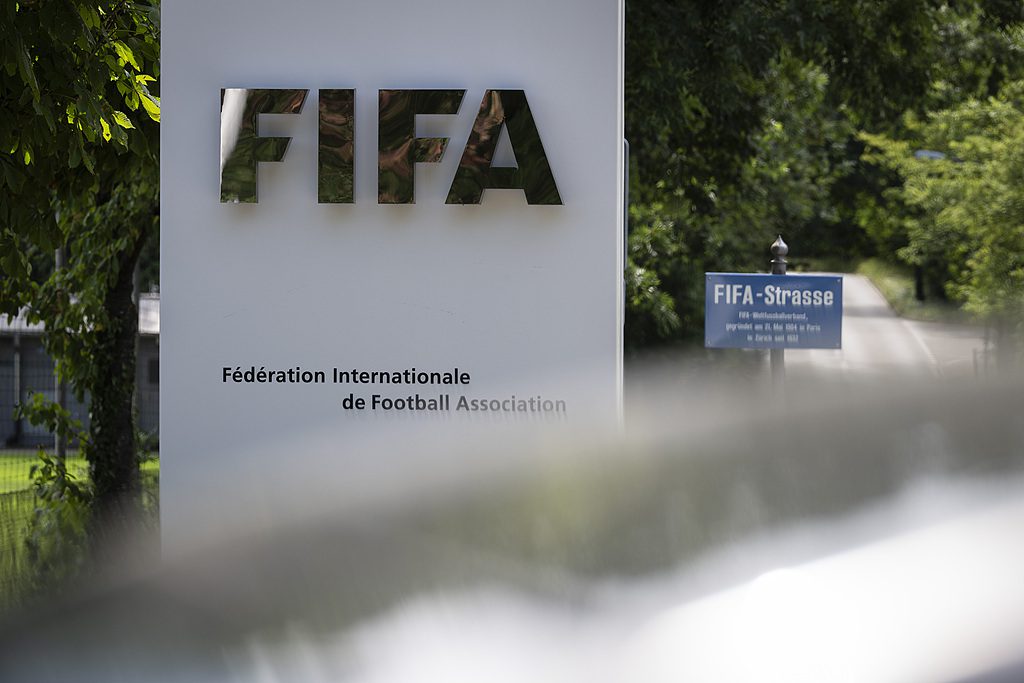
FIFA released a statement on Thursday local time, sharply criticising what it called “organised and continuous attacks” against president Gianni Infantino, and dismissing recent scandal reports as “completely untrue”. The response follows British media reports alleging an extramarital affair and a “hush payment” by Infantino during his time as UEFA general secretary. UEFA has acknowledged paying a six-figure severance package and covering MBA course fees.
Earlier, Infantino proposed handing World Cup operational rights to a company and selling shares to investors linked to Donald Trump; UEFA rejected the plan, leading Infantino to withdraw it and apologise. The Norwegian Football Federation has since filed three complaints with FIFA's ethics committee, covering the proposal, the awarding of a “peace prize” to Trump, and a “suspended” red card for Balogun. UEFA has called for Infantino's resignation, while FIFA insists it will not tolerate any electoral process that violates its statutes.
The dispute underscores deeper tensions between football's global and European governing bodies, with UEFA generating roughly $3.5 billion in Champions League revenue last season.
Commentary
The FIFA-UEFA conflict exposes the intense financial competition over top-tier event intellectual property. The Champions League brings in around $3.5 billion annually, while the World Cup remains an even larger revenue engine. Governance scandals could undermine sponsor confidence and ripple through licensing, ticketing, and broadcasting supply chains.
For New Zealand SMEs involved in sports tourism, youth development, or digital content, it is worth tracking how this power struggle may influence event resource allocation in Oceania, including possible shifts in World Cup slots or sponsorship criteria. At the same time, concerns about excessive commercialisation could accelerate calls for regulatory and transparency reforms, which may ultimately benefit market fairness. As the lines between sport, politics, and capital continue to blur, businesses should factor governance risks into their engagement strategies.
Keywords: FIFA, Gianni Infantino, UEFA, scandals, World Cup operations, Norwegian Football Federation, resignation, power struggle
Source: Global Times
Disclaimer: This article is compiled from publicly available sources for general information only. The analysis and commentary are editorial opinions. MiDeer Observer does not guarantee the accuracy or completeness of the information provided. Readers should seek independent professional advice before relying on this content, or contact us for more information.