Summary
Heilongjiang province shares a 2,981 km border with Russia, spanning forests, black soil and rivers. Its 18 border counties (cities, districts) are strung together like pearls. In recent years, the province has leveraged its unique ecology, location and industrial potential, tailoring development to local conditions.
Infrastructure has been upgraded, the business environment improved, and border-opening advantages used to grow cross-border trade, processing industries and eco-cultural tourism. This has boosted industrial capacity and population retention, creating jobs and raising incomes. In Hulin, visitors can take cruise boats at Qiandao Island scenic area or ride a small train through the rice field art at the 858 Farm's Daohuayuan modern agriculture demonstration zone.
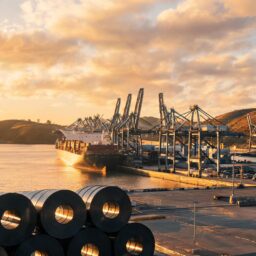
In Suifenhe, trucks undergo inspection at the road port cargo inspection area, China-Europe freight trains wait for reloading at the railway port's south yard, a border economic co-operation zone hosts wood processing enterprises, and a comprehensive bonded zone has biotech companies. In Tongjiang, the intangible heritage handicraft base displays Hezhe fish-skin paintings, and the cultural creative design industry linkage park's Hezhe intangible heritage R&D centre produces folk figurines and cultural products. Hezhe Yimakan inheritor Wu Jing teaches pupils at Tongjiang No. 5 Primary School.
The northern border is seeing green mountains and clear waters appreciate in value, distinctive industries thrive, and border residents' quality of life steadily improve, as a new chapter of revitalisation unfolds.
Commentary
The 2,981 km border spans 18 counties, and ports such as Suifenhe and Tongjiang are anchoring industrial clusters in cross-border trade, processing and eco-cultural tourism. For New Zealand SMEs, this might seem remote, but it reflects the upgrading of China's north-eastern border opening. Two angles merit attention.
On logistics, Suifenhe is a major land port to Russia, operating China-Europe freight trains and hosting a comprehensive bonded zone and a border economic co-operation zone, with wood processing and biotech firms agglomerating. Bilateral trade between China and Russia exceeded US$240 billion in 2023, up over 26% year-on-year, adding pressure and opportunities at border ports. NZ exporters of dairy, meat or wood products targeting Russia or north-eastern China could assess using the Suifenhe-Manzhouli corridors for overland transit, reducing reliance on sea freight.
However, Russia's import restrictions on some agricultural goods and border clearance efficiency affected by geopolitics mean firms should inspect customs procedures and warehousing costs on the ground. On markets, eco-agriculture tourism, such as the 858 Farm's rice art and Qiandao Island scenic area, plus cultural creative products like Hezhe fish-skin paintings and folk figurines, show how Heilongjiang is converting border ecological resources into consumable tourism offerings. NZ's mature models in ecotourism, agri-tourism and premium food processing could explore co-operation with local scenic spots or demonstration zones, exporting management expertise or co-developing tailored travel routes.
Rising population retention in border regions also boosts local consumption, opening opportunities for NZ health products and honey. The increasing number of China-Europe trains waiting at Suifenhe's railway port south yard signals rising utilisation of this corridor. For NZ firms seeking supply chain diversification, incorporating Heilongjiang border nodes into China-Russia-Europe logistics could offer more cost flexibility than relying solely on coastal ports.
Yet border policy volatility and Russian market uncertainty warrant caution; starting with small-scale trade or pilot co-operation is advisable.
Keywords: Heilongjiang, border prosperity, border line, border counties, cross-border trade, eco-cultural tourism, Hezhe ethnic group, Yimakan, Suifenhe, Tongjiang
Source: Xinhua Net
Disclaimer: This article is compiled from publicly available sources for general information only. The analysis and commentary are editorial opinions. MiDeer Observer does not guarantee the accuracy or completeness of the information provided. Readers should seek independent professional advice before relying on this content, or contact us for more information.