Summary
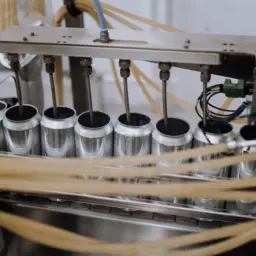
Silver Fern Farms, owned by Shanghai state-owned Bright Meat Group, reported sales revenue of RMB 12.707 billion for the full year 2025 but net profit of just RMB 119 million, with a strong first half and a loss-making second half — profit of RMB 253 million in H1 followed by a loss in H2. To address a labour shortfall of about 2,000 workers and rising employment costs in New Zealand's red meat industry, Bright Meat's 10th board of directors held its ninth meeting on 24 April 2026 and approved, with 9 votes in favour, none opposed and no abstentions, the Finegand plant cold-chain automation upgrade project for Silver Fern Farms. Total investment is NZ$132 million, comprising NZ$36.5 million for the carton freezing project, NZ$81.3 million for the cold-store automation project, NZ$1.2 million for the carton forming and sealing machine project and NZ$6.3 million for the warehouse execution system project.
Funding comes from NZ$75.4 million of Silver Fern Farms' own cash and NZ$56.6 million of equipment finance leases, with the project scheduled for completion within 18 months of approval. Silver Fern Farms chief executive Dan Boulton said it was the largest single capital investment in the company's history and signalled strong confidence in the industry, communities and plant network. The announcement said the project would substantially reduce labour requirements in the cold chain, directly cut high wage costs and fundamentally avoid the extra costs and risks of employing large numbers of overseas workers.
Silver Fern Farms operates 14 processing plants, accounting for 30 percent of New Zealand's total beef, sheep and venison production, and exports to more than 60 countries.
Commentary
As New Zealand's largest red meat processor, producing 30 percent of the national beef, sheep and venison output, Silver Fern Farms' NZ$132 million cold-chain automation investment is a landmark move by the country's meat industry to counter labour shortages and cost pressures. New Zealand's meat processing sector has long faced a shortfall of about 2,000 workers, and most plants are in rural areas with very shallow labour pools. Rival Alliance Group lost NZ$95.8 million in FY2024 and closed its Smithfield plant after nearly 140 years of operation, underscoring the industry's difficulties.
Silver Fern Farms recorded sales revenue of RMB 12.707 billion in 2025 but net profit of only RMB 119 million, slipping into loss in the second half; the automation upgrade aims to replace labour with capital, cut cold-chain labour costs and avoid the risks of hiring overseas workers. For New Zealand SME owners, the investment may have several effects: on one hand, automation improves efficiency and lowers long-term costs, potentially strengthening Silver Fern Farms' export competitiveness and thereby supporting order stability for upstream livestock suppliers; on the other, automation reduces low-skilled roles, which may add to employment pressure in rural communities while also creating high-skilled technical jobs and shifting the labour mix. Once completed, the Finegand plant will become an export hub for the southern South Island, and nearby small and medium-sized farms may benefit from more efficient cold-chain logistics and consolidated exports, lowering their own logistics costs.
However, the high threshold for automation investment makes it hard for SMEs to follow, potentially accelerating industry consolidation and increasing competitive pressure on smaller processors. As part of China's Bright Meat Group, Silver Fern Farms' automation strategy also reflects long-term Chinese investment in New Zealand agriculture and may further deepen China-New Zealand supply chain integration. For NZ SMEs, the focus should be on supply chain efficiency gains from automation while assessing their own position in the labour market and industry consolidation.
Keywords: Silver Fern Farms, Bright Meat Group, cold-chain automation, Finegand plant, NZ$132 million, labour shortfall, cost revolution, red meat industry
Source: Wealth Account
Disclaimer: This article is compiled from publicly available sources for general information only. The analysis and commentary are editorial opinions. MiDeer Observer does not guarantee the accuracy or completeness of the information provided. Readers should seek independent professional advice before relying on this content, or contact us for more information.