Summary
In October 1992, the 14th National Congress of the Communist Party of China convened in Beijing, establishing the reform goal of a socialist market economy to further liberate and develop productive forces. Prior to this, Deng Xiaoping's southern tour had asserted that 'a planned economy does not equate to socialism, nor does a market economy equate to capitalism,' paving the way for reform. In November 1993, the Third Plenary Session of the 14th Central Committee formulated an overall plan to build a framework of modern enterprise systems and unified market systems while maintaining the dominance of public ownership.
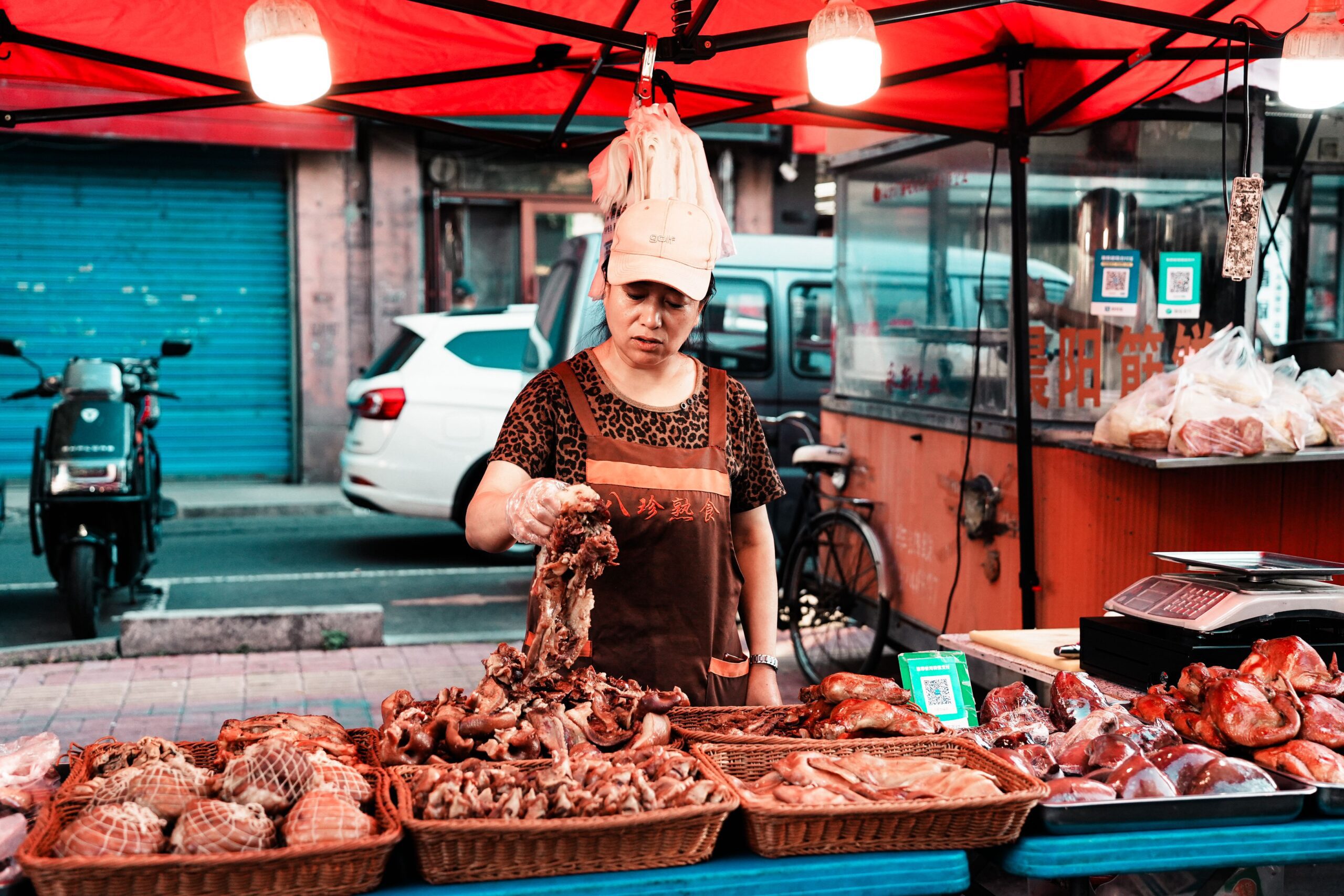
In 1993, China's GDP exceeded 3 trillion yuan for the first time, with a year-on-year growth of 13.9%. Starting from the opening of a small commodity market in 1982, Yiwu built its fourth-generation market in 1992. Today, it trades with over 230 countries and regions, offering more than 2.1 million types of commodities.
General Secretary Xi Jinping noted that Yiwu's small commodities created a big market, with everyone being a participant. The Third Plenary Session of the 18th Central Committee further changed the 'basic role' of the market in resource allocation to a 'decisive role,' deepening the reform of the socialist market economy.
Commentary
For New Zealand SME owners, this historical review reveals the fundamental logic of China's market opening—moving from planning to market, paving the way for international goods and capital inflow. The Yiwu case shows that market-oriented reforms unleashed grassroots vitality and drove trade prosperity. This means for New Zealand: first, market access barriers in China are gradually lowering with marketisation, especially in agricultural and specialty food sectors such as dairy, meat and honey, benefiting from the opening of global supply chains.
Second, Yiwu merchants are now using AI to generate multilingual videos to promote products; this digital marketing model can reduce cross-border promotion costs for New Zealand SMEs. However, note that as the Chinese market matures, competition intensifies—quality and storytelling (e.g., New Zealand's pure image) remain key differentiators. Conclusion: New Zealand should continue to leverage policy dividends under market mechanisms, while monitoring changes in Chinese e-commerce platform rules to avoid over-reliance on a single channel.
Keywords: 14th National Congress of the CPC, Socialist Market Economy, Deng Xiaoping's Southern Tour, Yiwu Small Commodity Market, Reform and Opening-up, Economic System Reform, 1992, GDP Exceeding 3 Trillion Yuan, Decisive Role of the Market

Source: China.org.cn
Disclaimer: This article is compiled from publicly available sources for general information only. The analysis and commentary are editorial opinions. MiDeer Observer does not guarantee the accuracy or completeness of the information provided. Readers should seek independent professional advice before relying on this content, or contact us for more information.