Summary
Local cooperation between China and Central Asian countries has deepened. The second China-Uzbekistan Regional Cooperation Forum was held in Samarkand from June 1-2, with Shaanxi Province leading trade, cultural and educational exchanges. By May this year, the two sides had established over 80 pairs of friendly provinces/states (including sister cities).
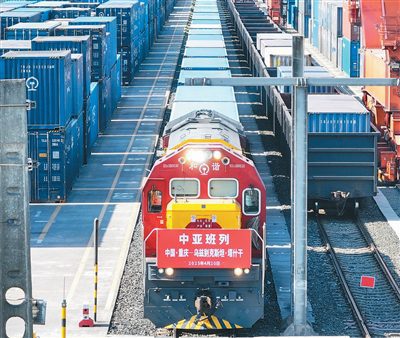
The China-Kyrgyzstan-Uzbekistan railway officially started construction in 2024. After the mutual visa exemption agreement took effect, the first visa-free flight from Tashkent arrived in Urumqi. Shaanxi apple seedlings were exported to Tajikistan for the first time, and furniture products were first exported to Uzbekistan.
China's first China-Central Asia international cultural tourism train (Xi'an-Almaty) departed with over 200 passengers. Experts said that geographical, historical, policy and economic complementary advantages are driving cooperation, and new potential will be unlocked in digital economy, renewable energy, tourism and other fields.
Commentary
Local cooperation between China and five Central Asian countries is heating up, with the start of the China-Kyrgyzstan-Uzbekistan railway and mutual visa exemptions accelerating regional integration. For New Zealand SMEs, this carries two signals. On one hand, improved Eurasian land routes may divert traditional sea freight share; the time advantage of China-Europe freight trains poses competition for high-value perishables, so NZ dairy and fruit exporters must assess alternative cold chain logistics risks.
On the other hand, Central Asian agricultural modernisation is creating demand for technology, equipment and services. NZ's mature expertise in pastoral management and agritech can find entry points through partnerships with Chinese firms, for example, engaging Central Asian projects via the Xinjiang Pilot Free Trade Zone. The recent Shaanxi apple seedling exports to Tajikistan show China becoming an agricultural technology exporter, but NZ's differentiated advantages in premium sectors like grass-fed livestock remain defensible.
As Central Asian consumer markets grow, niche areas such as halal food and educational tourism may yield surprises. NZTE could lead small-scale delegations to gauge real demand on the ground.
Keywords: China-Central Asia cooperation, regional cooperation forum, friendly provinces/states, China-Kyrgyzstan-Uzbekistan railway, mutual visa exemption, Shaanxi, Samarkand, cultural tourism train, digital economy, Belt and Road

Disclaimer: This article is compiled from publicly available sources for general information only. The analysis and commentary are editorial opinions. MiDeer Observer does not guarantee the accuracy or completeness of the information provided. Readers should seek independent professional advice before relying on this content, or contact us for more information.