Summary
For cross-border e-commerce sending tea to New Zealand, the preferred options are EMS and DHL. EMS is fast and low-cost, while DHL offers on-time delivery and precise packaging. Packaging requires thick insulation bags, desiccant for damp-proofing, and cushion bags or foam bags for shock protection.
Before shipping, it is necessary to understand New Zealand Customs policies and provide detailed descriptions of the goods. Specific packaging and courier choices should be adjusted based on tea value, time requirements, and customs regulations.
Commentary
For Chinese tea importers in New Zealand, logistics choices directly affect costs and customer experience. EMS is cheap but may cause delays within New Zealand; DHL is professional but has high freight charges, suitable for high-value tea. Local logistics companies can tailor 'one-stop' import services for the Chinese tea-consuming community, including compliant packaging and customs clearance.
Meanwhile, New Zealand Customs has strict quarantine requirements for plant products, so packaging must ensure no pest risk. This trend also reminds small and medium enterprise owners: when selling tea online, clearly label origin and ingredients to avoid non-compliance.
Keywords: cross-border e-commerce, tea, New Zealand, courier, EMS, DHL, packaging, customs policy, international logistics
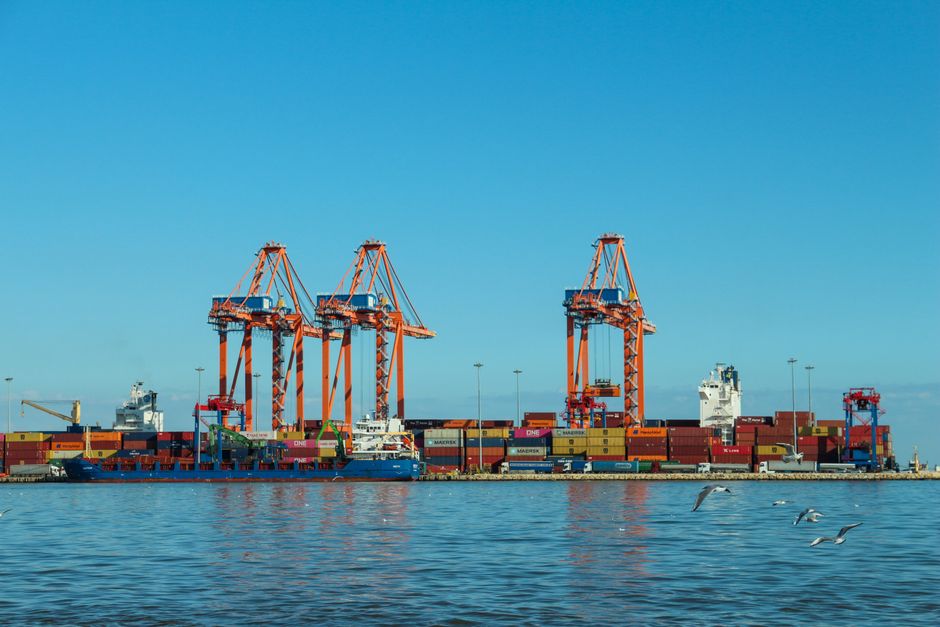
Source: Tongdafang Logistics
Disclaimer: This article is compiled from publicly available sources for general information only. The analysis and commentary are editorial opinions. MiDeer Observer does not guarantee the accuracy or completeness of the information provided. Readers should seek independent professional advice before relying on this content, or contact us for more information.