Summary
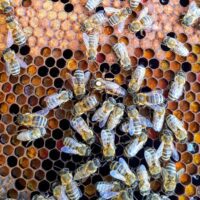
Manuka honey, produced from the Manuka flower native to New Zealand, contains a unique antibacterial active compound methylglyoxal (MGO). Its antibacterial strength is measured by the UMF rating, where UMF 10+ corresponds to approximately 50.4% phenol solution. Regular honey comes from a wide range of floral sources and has lower antibacterial activity.
Due to limited production and health benefits, Manuka honey is significantly more expensive than regular honey. Consumers should verify authenticity when selecting based on their needs.
Commentary
For New Zealand SME owners, Manuka honey is a star product in China's premium food market. From a consumer perspective, its unique antibacterial properties align with the health upgrade trend, especially among the middle class with strong demand. However, Chinese local honey brands are also ramping up marketing; Manuka honey needs to reinforce its origin story and scientific certifications (e.g. UMF trademark) to maintain its premium.
From a supply chain perspective, exporters should focus on Chinese customs testing standards for honey products, ensuring MGO/UMF values are verifiable and traceable. Meanwhile, e-commerce livestreaming and cross-border platforms offer low-cost entry points; SMEs can leverage social commerce to build brand awareness. Conclusion: differentiated positioning and certification compliance are key to long-term competitiveness.
Keywords: Manuka honey, regular honey, differences, UMF, MGO, antibacterial activity, New Zealand, export, China market

Source: iProcurement
Disclaimer: This article is compiled from publicly available sources for general information only. The analysis and commentary are editorial opinions. MiDeer Observer does not guarantee the accuracy or completeness of the information provided. Readers should seek independent professional advice before relying on this content, or contact us for more information.