Summary
PEFC International South Pacific project manager Richard Laity told the WoodWorks 2026 conference in Hawke's Bay that New Zealand timber specifications typically name only one certification scheme, narrowing the pool of certified wood available. Nearly half of delegates were involved in writing or pricing such specs. He said the issue is perception rather than policy: many architects default to a single scheme out of habit and mistakenly believe the Green Building Council does not recognise PEFC.
In fact, the Australian Green Building Council rates the joint Australian and New Zealand forest management standard as good or best practice across all four responsible product credits, and the New Zealand Green Building Council runs the same programme in partnership with Australia, with certified products counting towards both Green Star and Homestar ratings. More than 600,000 hectares of New Zealand forest are now PEFC-certified across five certificates, and 25 New Zealand companies hold certification. Laity cited Air New Zealand's Hangar 4, the largest timber-framed aircraft hangar in the world, where some suppliers are already delivering PEFC material.
PEFC's new project procurement standard, effective from June, requires at least 70 percent PEFC-certified timber in completed projects, with the remainder made up of recycled material, controlled sources and other certified wood. Once a project procurement system passes its first audit, the applicant can cite it in sales material. Since 2008, more than 60 projects in 12 countries have achieved PEFC project certification.
Mark Ross, chief executive of the Wood Processors and Manufacturers Association and chair of PEFC New Zealand, said many members already produce certified timber and the challenge is ensuring it is written into project specifications.
Commentary
The New Zealand construction sector's reliance on a single certification scheme for timber is artificially shrinking the pool of certified wood. Speaking at the WoodWorks 2026 conference, PEFC International South Pacific project manager Richard Laity said most project specifications name only one certification scheme, even though more than 600,000 hectares of New Zealand forest are PEFC-certified, 25 companies hold certificates, and the scheme is recognised under Green Star and Homestar ratings. For New Zealand small and medium business owners, particularly builders, developers and timber processors, this perception gap means higher procurement costs and less resilient supply chains.
Broadening the range of accepted certifications would increase the sources of compliant timber, reduce dependence on a single scheme and ease the risk of price swings and shortages. At the same time, PEFC's new project procurement standard, which requires at least 70 percent PEFC-certified timber in completed projects, creates a point of difference for already-certified local processors, allowing them to take part in large projects such as Air New Zealand's Hangar 4. Yet the habitual choices of architects and specifiers will not change overnight and will require industry education and clear commercial incentives.
Mark Ross, chief executive of the Wood Processors and Manufacturers Association, said many members already produce certified timber and the challenge is ensuring it is written into project specifications. For smaller firms, actively understanding and promoting PEFC certification not only helps open up the local market but may also create export opportunities through the project certification system, which has been applied in more than 60 projects across 12 countries. As green building ratings increasingly become a selling point for commercial property, the flexibility of certified timber supply will be a key variable in project cost control.
Keywords: PEFC certification, timber specifications, Green Star, timber-framed construction, Richard Laity, WoodWorks 2026, project procurement standard, New Zealand forestry
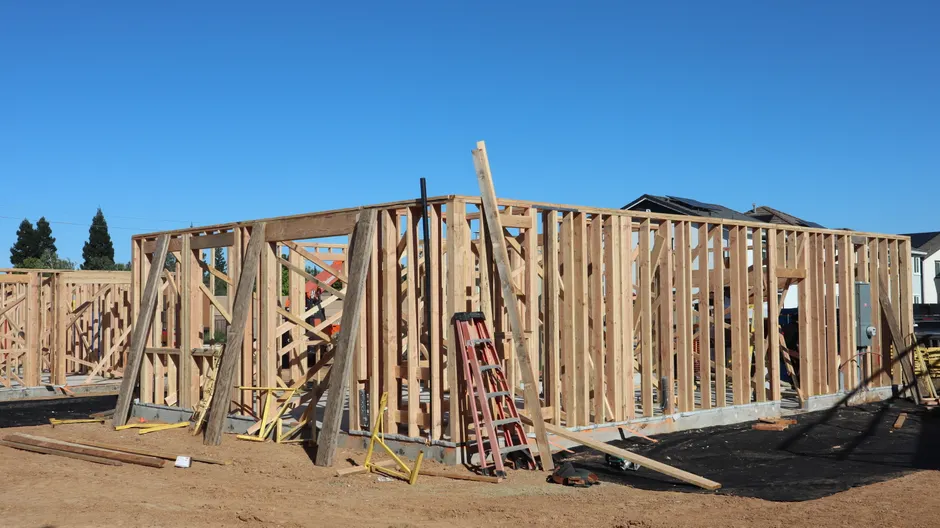
Photo by D Goug on Pexels
Source: Wood Central
Disclaimer: This article is compiled from publicly available sources for general information only. The analysis and commentary are editorial opinions. MiDeer Observer does not guarantee the accuracy or completeness of the information provided. Readers should seek independent professional advice before relying on this content, or contact us for more information.