Summary
At the invitation of Egyptian President Abdel Fattah el-Sisi, President Xi Jinping made a state visit to Egypt — his first in 10 years — timed to the 70th anniversary of China-Egypt diplomatic relations. After talks, the two heads of state issued a joint statement on further deepening the comprehensive strategic partnership, and the two sides signed more than 30 cooperation documents. Xi set out five propositions on mutual support and deeper cooperation covering politics, the economy, culture, security and international cooperation, alongside four initiatives on building a "new architecture for Middle East security".
China has been Egypt's largest trading partner for 14 consecutive years, with two-way trade reaching a record US$20.79 billion in 2025. The China-Egypt TEDA Suez Economic and Trade Cooperation Zone has attracted more than 200 enterprises, with cumulative investment exceeding US$4.7 billion. The two sides agreed to deepen alignment of the Belt and Road Initiative with Egypt's Vision 2030, opening new tracks in green energy, electric vehicles and artificial intelligence.
Commentary
Seventy years of China-Egypt diplomatic ties have delivered record two-way trade of US$20.79 billion, while the TEDA Suez Economic and Trade Cooperation Zone has drawn more than 200 companies and US$4.7 billion in cumulative investment. For export-oriented New Zealand SMEs, the supply-chain shifts under way in that region are worth unpacking. China is positioning Egypt as a manufacturing hub serving Europe, Asia and Africa.
Some lower- and mid-range capacity aimed at European markets could migrate to Egypt, so NZ importers should watch for changes to rules of origin and for competition from alternative Asian suppliers. The Suez Canal carries about 12 percent of global seaborne trade. Closer China-Egypt cooperation on shipping and security would help steady a key route for New Zealand's dairy and meat exports to Europe.
If the proposed Middle East security architecture takes shape, it could also lower the Red Sea risk premium. With a population of more than 110 million and membership of the African Continental Free Trade Area, Egypt's green energy and EV tracks may generate demand for equipment and technical services. Local protection and regional competition remain, however.
The 2025 trade figures and the cooperation zone's next expansion projects will be the leading indicators of where the market window opens.
Keywords: Xi Jinping state visit to Egypt, 70th anniversary of China-Egypt diplomatic relations, China-Egypt comprehensive strategic partnership, new architecture for Middle East security, Belt and Road alignment with Vision 2030, bilateral trade of US$20.79 billion, China-Egypt TEDA Suez Economic and Trade Cooperation Zone, community with a shared future, head-of-state diplomacy, China-Arab and China-Africa cooperation
Summary in Chinese | 摘要
应埃及总统塞西邀请,习近平主席时隔10年再次对埃及进行国事访问,适逢中埃建交70周年。两国元首会谈后发表进一步深化全面战略伙伴关系联合声明,双方签署30多份合作文件。习近平就两国相互支持、深化合作提出涉及政治、经济、文化、安全、国际合作等5点主张,并就构建“中东安全新架构”提出4点倡议。
中国已连续14年成为埃及第一大贸易伙伴,2025年双边贸易额达207.9亿美元,创历史新高;中埃·泰达苏伊士经贸合作区吸引超200家企业入驻,累计投资超47亿美元。双方决定推动“一带一路”倡议与埃及“2030愿景”深度对接,开辟绿色能源、电动汽车、人工智能等新赛道。
Commentary in Chinese | 评论
中埃建交70周年,双边贸易额207.9亿美元创历史新高,泰达苏伊士经贸合作区吸引超200家企业、累计投资47亿美元。对以出口为导向的新西兰中小企业,这一区域供应链变化值得拆解。一方面,中国正将埃及打造为辐射欧亚非的制造业枢纽,部分面向欧洲的中低端产能可能外迁至埃及,新西兰进口商需留意原产地规则变化以及替代性亚洲供应商竞争。
另一方面,苏伊士运河承担全球约12%海运贸易,中埃加强航运与安全合作有助于稳定新西兰对欧洲乳肉出口的关键航线,而中东安全架构倡议若落地,也可能降低红海风险溢价。埃及人口超1.1亿、加入非洲大陆自贸区,绿色能源与电动车等新赛道或产生设备和技术服务采购需求,但本地保护与区域竞争同样存在。2025年贸易数据与后续合作区扩区项目,可作为判断市场窗口的先行指标。
关键词: 习近平对埃及国事访问, 中埃建交70周年, 中埃全面战略伙伴关系, 中东安全新架构, 一带一路与2030愿景对接, 双边贸易额207.9亿美元, 中埃·泰达苏伊士经贸合作区, 命运共同体, 元首外交, 中阿中非合作
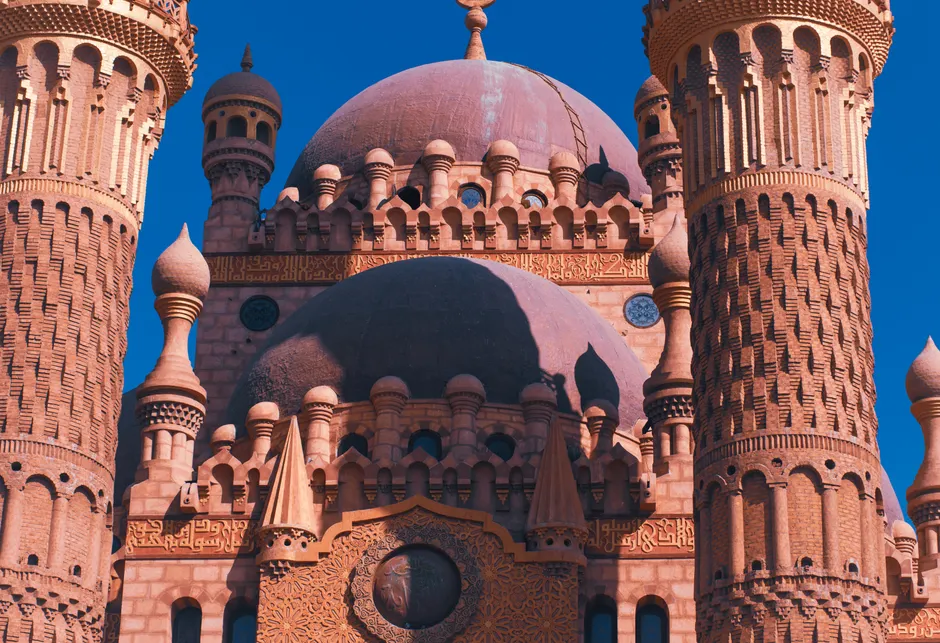
Source: Xinhua Net
Disclaimer: This article is compiled from publicly available sources for general information only. The analysis and commentary are editorial opinions. MiDeer Observer does not guarantee the accuracy or completeness of the information provided. Readers should seek independent professional advice before relying on this content, or contact us for more information.
免责声明:本文基于公开信息编译,仅供一般性参考。文中分析与评论为编辑观点。MiDeer Observer 不对所提供信息的准确性或完整性作出保证。读者在依赖本文内容前,应寻求独立专业意见,或联系我们获取更多信息。