Summary
Chinese President Xi Jinping concluded a state visit to Egypt, marking his first trip to the country in a decade and coinciding with the 70th anniversary of bilateral diplomatic ties. During the visit, both leaders reviewed the elevation of their relationship to a comprehensive strategic partnership in 2014 and acknowledged that Egypt became the first Arab state to endorse the vision of a community with a shared future in a joint statement in 2024. They reaffirmed principles of sovereign equality and non-interference in internal affairs.
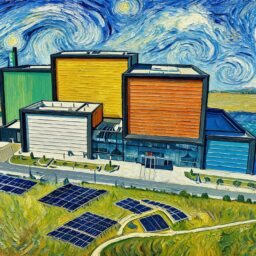
Egypt reiterated its support for the one-China policy, while China backed Egypt's pursuit of an independent development path. The two agreed to strengthen Belt and Road cooperation, advance green initiatives such as the Central Business District in the new administrative capital, solar and green hydrogen projects, and broaden trade structure optimisation alongside scientific, technological and cultural exchanges. The two sides also underscored efforts to build an Egypt-China community with a shared future for a new era, aiming to inject stability into a changing global landscape.
Commentary
China has maintained its position as Egypt's largest trading partner for 14 straight years. Landmark Chinese investments, including the Central Business District in the new administrative capital and the TEDA Suez cooperation zone, are signalling a shift from infrastructure towards manufacturing and green hydrogen. For New Zealand small and medium-sized enterprises, Egypt's population exceeding 100 million and its strategic location bridging Asia, Africa and Europe, coupled with Chinese-backed logistics upgrades, could lower entry barriers into the Middle East and North African markets.
However, local content requirements and foreign exchange controls may squeeze profit margins. Cooperation in solar and green hydrogen could also influence fuel costs for Mediterranean shipping, with potential knock-on effects on cold-chain freight rates and carbon compliance expenses for New Zealand dairy and meat exporters. Given that the Suez Canal handles about 12 percent of global trade, the deepening alignment between Egypt and China adds a dimension of Chinese capital and technology influence to this vital route.
NZ exporters should view this as a signal to monitor supply-chain diversification, rather than a reason for over-reliance on any single corridor.
Keywords: Xi Jinping, Egypt, comprehensive strategic partnership, state visit, 70th anniversary of diplomatic relations, community with a shared future, Belt and Road, green energy, people-to-people exchanges, strategic mutual trust
Summary in Chinese | 摘要
在埃中建交70周年之际,中国国家主席习近平对埃及进行国事访问,这是时隔10年再次访埃。双方回顾2014年提升为全面战略伙伴关系、2024年埃及成为首个将构建命运共同体目标写入双边联合声明的阿拉伯国家。访问期间,两国元首重申主权平等与不干涉内政原则,埃方奉行一个中国原则,中方支持埃自主发展道路。
双方将深化“一带一路”合作,推进新行政首都中央商务区、光伏与绿氢等绿色项目,并拓展贸易结构优化、科技与人文交流。两国强调推进面向新时代的埃中命运共同体建设,为变乱世界注入确定性。
Commentary in Chinese | 评论
中国连续14年为埃及最大贸易伙伴,中资新行政首都商务区与泰达苏伊士合作区正从基建转向制造、绿氢。对NZ中小企业,埃及逾亿人口和亚非欧枢纽位置,叠加中资物流升级,或降低进入中东北非市场的渠道门槛;但埃及本地化率要求与外汇管制可能压缩利润空间。光伏与绿氢合作可能影响地中海航运燃料成本,进而影响新西兰乳制品、肉类出口的冷链运费和碳排放合规成本。
苏伊士运河约占全球贸易12%,中埃深度绑定使该航线更受中国资本与技术影响,NZ出口商宜将其作为供应链多元化观察节点,而非单一依赖。
关键词: 习近平, 埃及, 全面战略伙伴关系, 国事访问, 建交70周年, 命运共同体, 一带一路, 绿色能源, 人文交流, 战略互信

Source: Global Times
Disclaimer: This article is compiled from publicly available sources for general information only. The analysis and commentary are editorial opinions. MiDeer Observer does not guarantee the accuracy or completeness of the information provided. Readers should seek independent professional advice before relying on this content, or contact us for more information.
免责声明:本文基于公开信息编译,仅供一般性参考。文中分析与评论为编辑观点。MiDeer Observer 不对所提供信息的准确性或完整性作出保证。读者在依赖本文内容前,应寻求独立专业意见,或联系我们获取更多信息。