Summary
British Columbia declared a state of emergency on 8 August as an out-of-control wildfire forced more than 20,000 people to evacuate overnight. Pyrocumulus clouds generated lightning that sparked secondary fires, making the blaze unpredictable. By the afternoon of 8 August, the fire had scorched 9,500 hectares.
Premier David Eby confirmed extensive damage to homes and property, with some residents trapped and aerial rescues under way. More than 50 people were rescued in the community of Faulder. The wildfire is raging through the Okanagan Valley, Canada's second-largest wine-producing region, and the economic impact has yet to be assessed.
Across Canada, wildfires have burned 4 million hectares this year, affecting multiple provinces.
Commentary
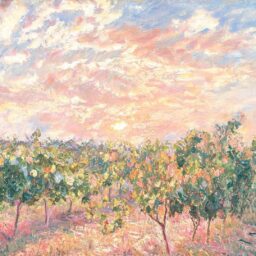
The Okanagan Valley, where wildfires are raging, is Canada's second-largest wine region, producing nearly 6 million cases annually, mainly Merlot and Chardonnay, and accounting for more than 80 percent of British Columbia's output. The area is under a state of emergency. While the extent of vineyard damage is still unknown, smoke taint could affect wine quality for several vintages.
New Zealand, as a fellow New World wine exporter with annual exports exceeding NZ$2 billion, may see small and medium-sized enterprises capitalise on short-term supply gaps in Canadian exports, especially in North American and Asian markets, amid recovering demand for imported wine in China. However, in the long run, frequent extreme weather is raising supply chain costs globally. New Zealand's own drought in 2024 has already reduced yields in some Marlborough vineyards.
Climate resilience and insurance tools are becoming key competitive factors for SMEs, rather than one-off arbitrage opportunities.
Keywords: Canada, wildfire, state of emergency, evacuation, British Columbia, pyrocumulus, area burned, rescue
Source: Xinhua Net
Disclaimer: This article is compiled from publicly available sources for general information only. The analysis and commentary are editorial opinions. MiDeer Observer does not guarantee the accuracy or completeness of the information provided. Readers should seek independent professional advice before relying on this content, or contact us for more information.